Carnegie Moscow Center

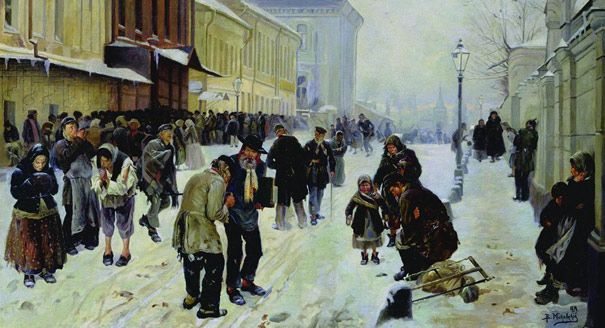
Amid painful economic choices, political elites and government officials in Russia are growing distant from the public. Meanwhile, the mainstream media’s coverage of social issues is becoming increasingly alarmist, a sign that the Kremlin is losing control over Russia’s social agenda. With its response to social issues a mix of contempt and indifference, it seems that the government’s new maxim and the defining principle of Vladimir Putin’s fourth presidential term is “the state doesn’t owe you anything.”
However resilient the Putin regime might look to an outsider, it isn’t ready and isn’t preparing itself for a possible decline in its popularity ratings, which may unleash consequences beyond the fall of individual governors and the ruling United Russia party. The Kremlin doesn’t believe that Vladimir Putin and the Russian regime as a whole could become unpopular, so it considers the current decline in support for the government to be a natural and manageable outcome of the recent increase in the retirement age.
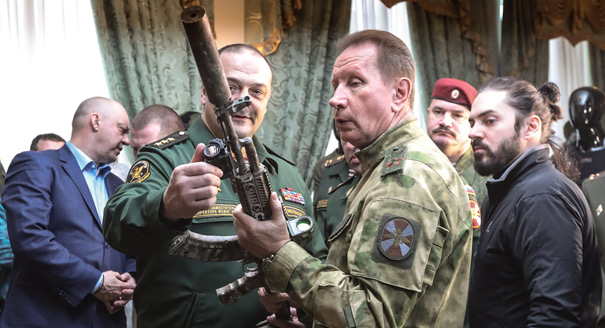
Viktor Zolotov’s video message to Alexei Navalny—a crude and highly personal address for an influential national security official—underscores the increasing incoherence of the authorities’ strategy for dealing with Navalny. More important, it points to the emergence of a state of “every man for himself” and the splintering of Vladimir Putin’s inner circle.
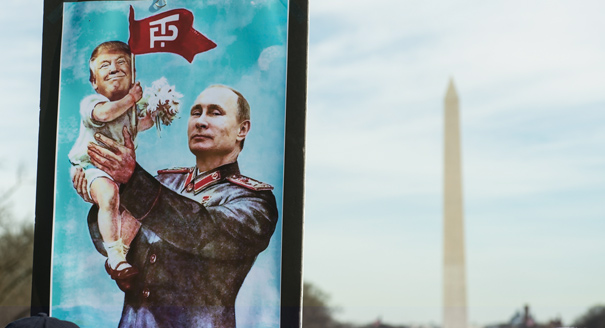
Vladimir Putin is widely viewed as the winner of the Helsinki summit. But reality may be more complicated. Despite optics in Putin’s favor, the Russian government is unsure how to further relate to Trump: should it view him as a full-fledged partner who can normalize relations between Russia and the United States, or should it use him as a tool for disrupting U.S. foreign policy?
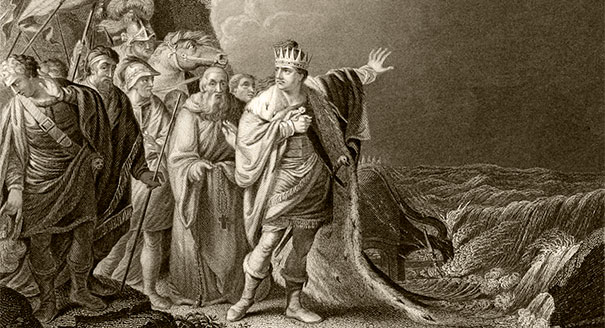
The events of the last four years in Russia show that its fabled stability and lack of change have stopped being the top political value. Today, the Russian regime is more ready than ever for transformation. Before, any decisions had to be approved by the president and were made at a snail’s pace because Putin had no time. Now, it’s the other way around: decisions are made quickly precisely because Putin has no time.
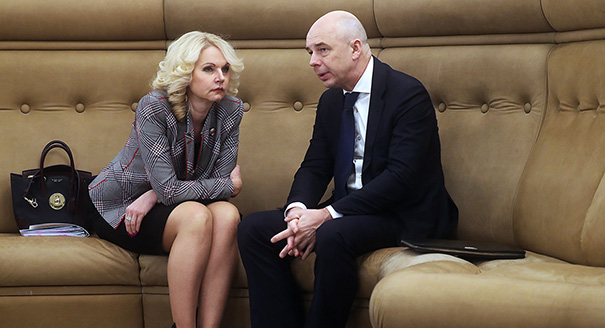
The political and administrative dispersion of governance is under way in Russia: regulatory functions are being scattered among government and near-government players, which will inevitably result in the formation of first moderate and then increasingly pronounced polycentricity within the state. Initiative will eventually stop being punishable.
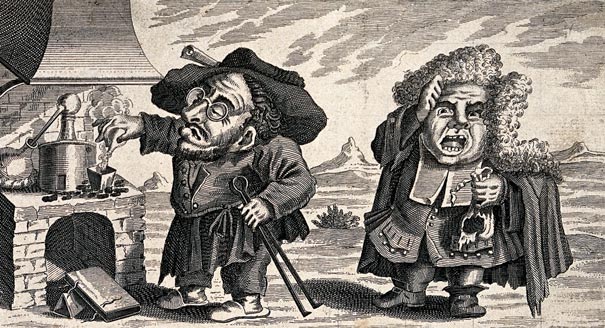
The United States’ latest round of sanctions has hit Russia hard. In the future, the Russian state will have to share the emerging risks and minimize socioeconomic consequences for the impacted regions and industries. This will lead to a new wave of property redistribution based upon state — not economic — interests.
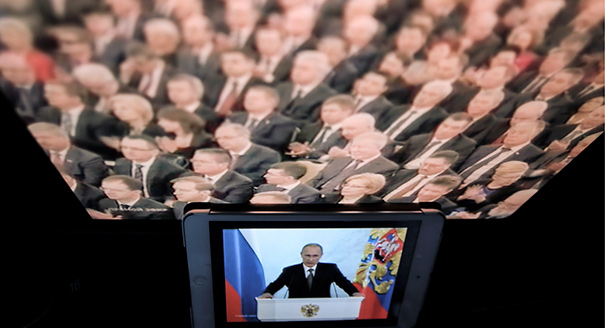
Whatever changes 2018 and 2024 bring to Russia’s leadership, the broader political system will become increasingly depersonalized, making it—rather than the president—the source of stability.
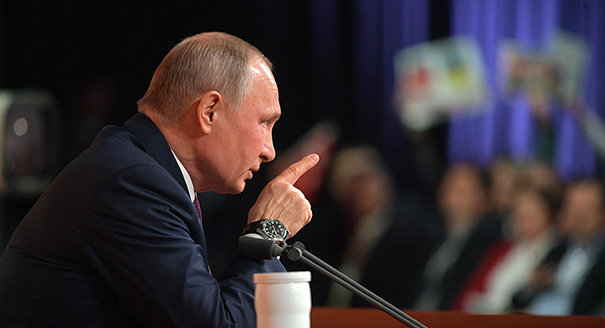
Vladimir Putin is sending out signals about how he sees his fourth presidential term. Domestic initiatives are not a presidential priority and will be dealt with at the technocratic level. In the political sphere, the real threat to Putin’s power comes from the moderate opposition. Above all, there is to be no more democratic window dressing. Preparations are well under way for a new act.
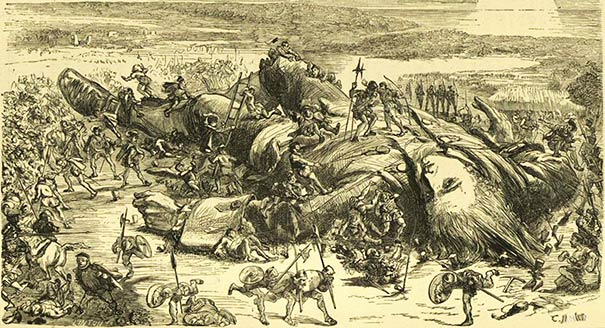
The non-system elite makes a mistake by still treating Putin and the formal state as one and the same. We are witnessing a new era in which the powerful and ambitious non-system elite will face a solid, technocratic, and emotionless power vertical stuffed with “little people.” Putin’s associates will have to learn to adjust, or they’ll find themselves in deep trouble.