Carnegie Moscow Center


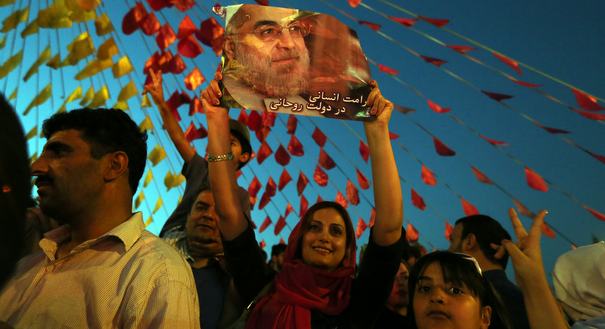
Iran’s foreign policy was deadlocked by the efforts of the former president—the radical and eccentric Mahmoud Ahmadinejad. Rowhani, who is dubbed “the sheikh of diplomacy” in Iran, will have to act both cautiously and decisively in correcting the errors of his predecessor and setting new trends.
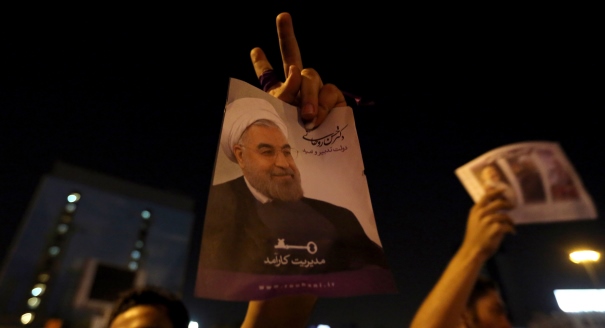
Hassan Rowhani’s victory in the Iranian presidential election shows a radical conservative agenda does not enjoy widespread support in Iran.
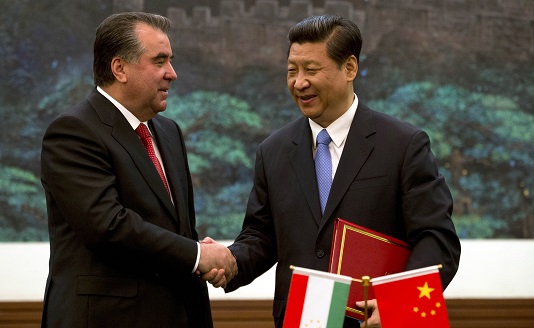
Given the strained relations between Moscow and Dushanbe, the establishment by Tajikistan of a strategic partnership with China can be seen as a signal to Russia indicating that Tajikistan has other partners ready to offer it assistance of all sorts.
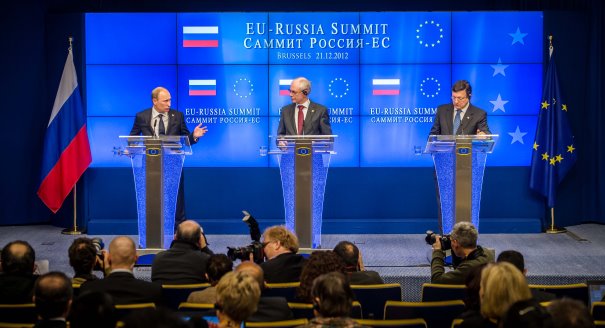
In order to develop an effective strategic approach toward Russia, Europeans must deepen their understanding of the changing Russian realities.
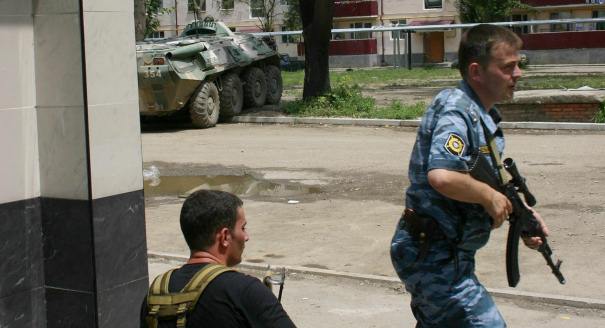
The Boston bombing has heightened tensions in Europe and has had repercussions for Russia, especially in light of the need to provide security at the Sochi Olympics.
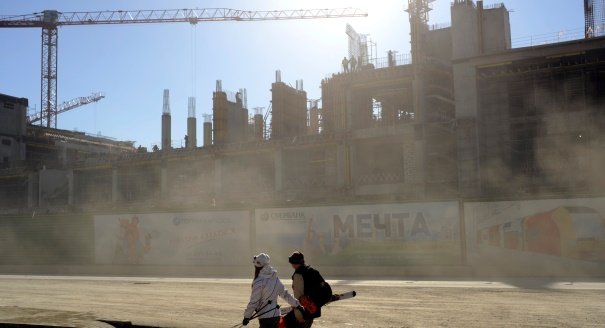
The Russian government’s ability to resolve a host of problems in its preparations for the 2014 Sochi Winter Olympic Games will be a decisive factor in shaping its reputation at home and abroad.
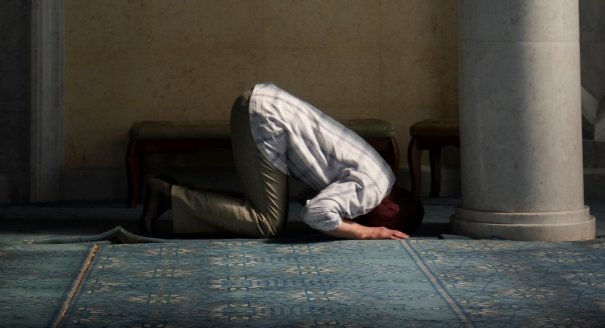
The presence of Islam in Russian political life is growing to the extent that its role is now even more pronounced than it was in the 1990s.

Uzbekistan sees itself as a regional Central Asian leader, and in fact the situation in Central Asia is largely determined by the developments inside this country.
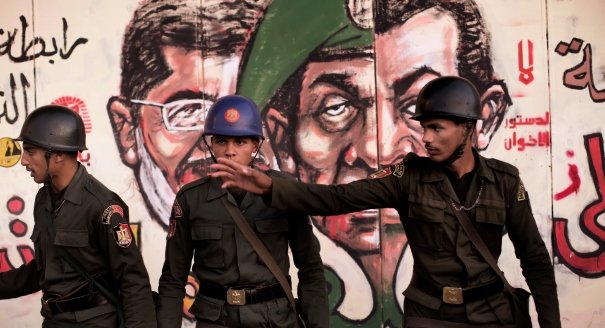
Developments in Egypt will not only affect the country's own future, but also that of the wider Middle East and the rest of the world.
Russian society is waking up and pushing back against Putin’s brand of authoritarianism, with the potential to bring about a transformation of the system into one based on the rule of law.