Carnegie Moscow Center


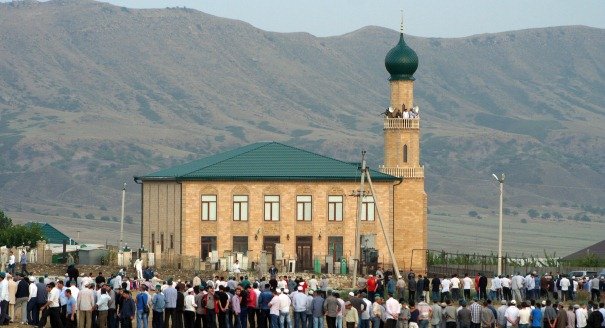
Federal control over Dagestan is becoming even weaker, and federal authorities appear unable to turn the tide.
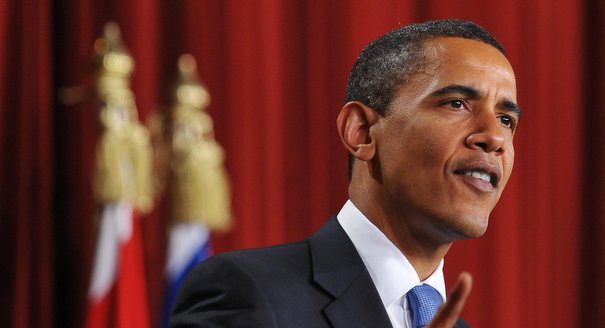
It is unlikely that Obama will act to worsen U.S.-Russia relations during his second presidential term.
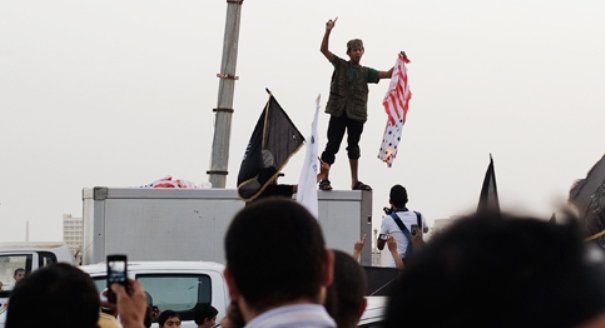
Periodic sparks of mutual discontent and clear frictions between Muslims and Christians are inevitable, and efforts should be made to ensure they are not fomented.
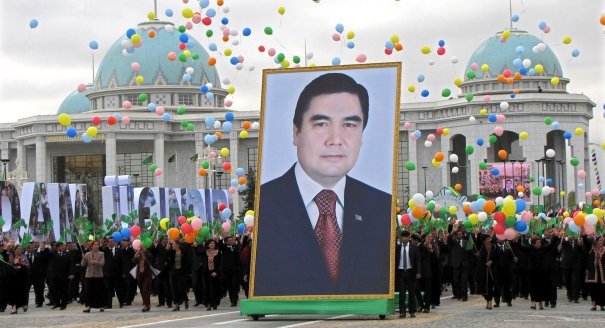
While the regime in Turkmenistan remains the most authoritarian of all Central Asian states, its stability depends on the availability of financial resources coming from the gas sales.
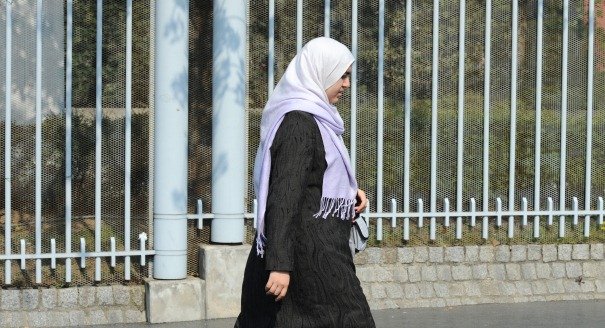
Politicization and internal disengagement have increased tension within both Russian Orthodoxy and Islam in Russia, and secular and religious authorities are consciously facilitating these societal divisions in an effort to strengthen their positions.
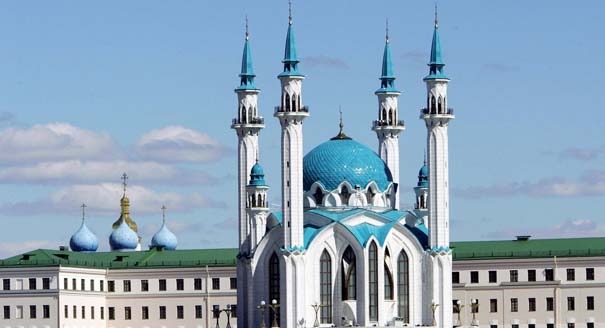
The recent terrorist attack in Tatarstan has put an end to the illusion that this Russian region, unlike the North Caucasus, will be able to avoid the radicalization of Islam.
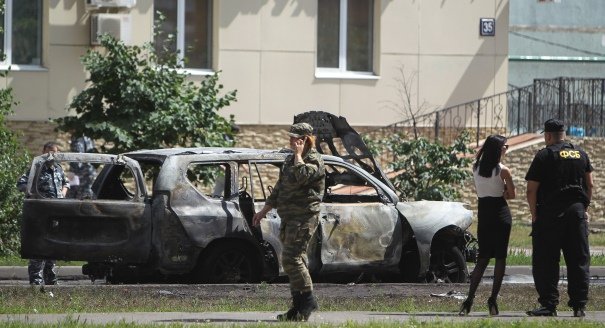
The Russian authorities should understand that the radical Islamists are not bandits but rather religious and political opposition. The Kremlin should work to open dialogue between the Muslim community and the state, as well as the inter-Islamic dialogue between the advocates of traditional Islam and their opponents.
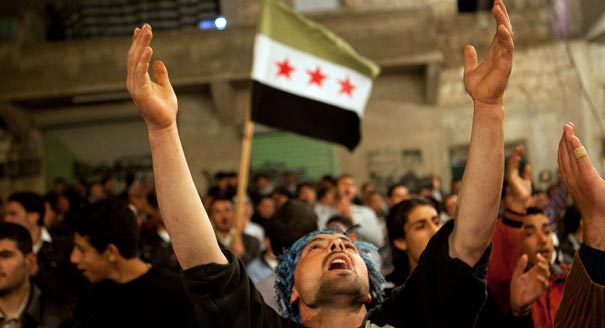
As the situation in Syria reaches a head, all actors in the conflict, including Russia, are deeply wound up in the crisis. And with time, challenges will only increase.
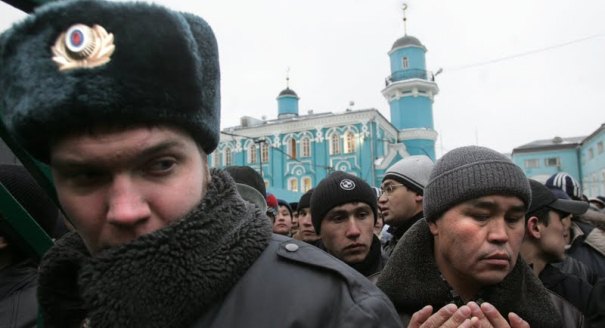
While Russia needs immigrants and its neighboring countries need Russia to employ their superfluous workforce, native population and migrants are now in the process of a painful mutual adjustment. Part of the problem is illegal immigration, which is tied to corruption in law enforcement.
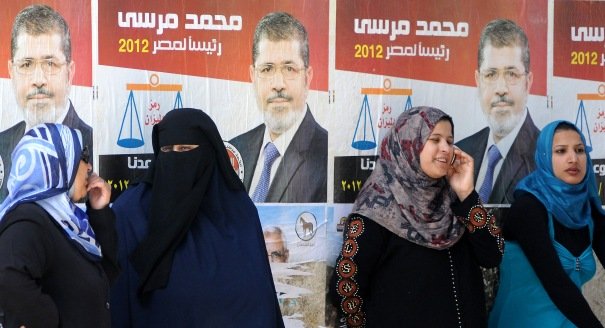
The Muslim Brotherhood’s candidate, Mohamed Morsi, is likely to win the second round of Egypt’s presidential election, with important ramification not only for Egypt but also for the region as a whole.