Carnegie Moscow Center

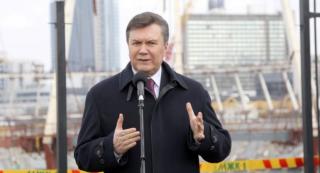
Amid growing concern over Viktor Yanukovych’s policies, the question remains to what extent the current political set-up in Ukraine can withstand international and domestic pressure.

Japan has been hit by the most powerful earthquake in recorded history and many countries, including Russia, have offered assistance. Russia should give Japan all the help it needs during this terrifying experience.

Lifting the Russian embargo imposed on the Georgian wine would benefit the economic interests of both countries and would support the strained Russian-Georgian relationship.
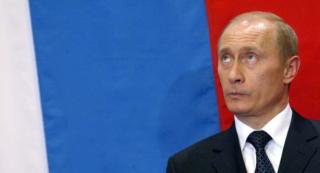
In advance of Russian regional elections on March 13, Prime Minister Vladimir Putin had to campaign personally for United Russia candidates in order to overcome voter disappointment and push for a strong regional showing for United Russia.
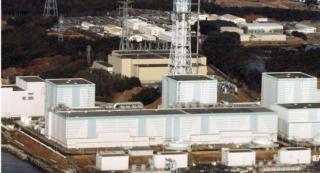
Amidst the drama of the worst seismic catastrophe in Japan’s recorded history, the Japanese government and its nuclear industry have been struggling to prevent a power reactor core melt accident similar to that which occurred at Three Mile Island in the United States three decades ago.
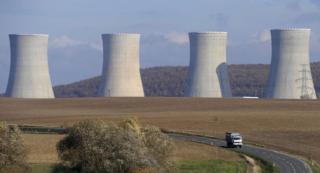
While public concerns about the safety of nuclear energy have resurfaced in the wake of the crisis at Japan’s Fukushima Daiichi Nuclear Power Station, the case for nuclear power remains strong.
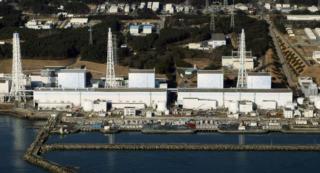
In the aftermath of a devastating earthquake and tsunami, Japan is scrambling to avert further problems at damaged nuclear plants.

Although Russia, the United States, and American allies have been loath to downsize their nuclear arsenals, deep reductions would not undermine a nation’s security since arsenal size has little bearing on effectiveness of deterrence.
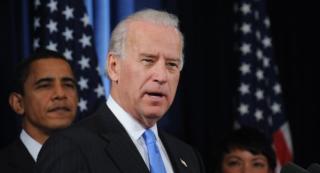
Although U.S. Vice President Joseph Biden’s visit to Moldova can do much to highlight the country’s potential and to support progress already under way, the solutions to the country's lingering problems will depend on political will and creative thinking from Chisinau.
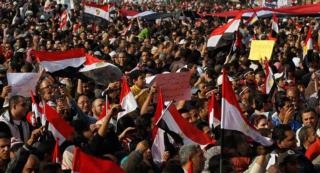
While the wave of political change sweeping through the Arab world is reminiscent of the political upheaval in Central and Eastern Europe in 1989, historical analogies cannot capture the complex and dramatic events occurring or predict how this change will end.
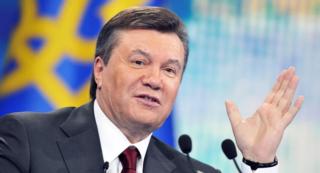
There is widespread concern both inside Ukraine and in the international community about the country’s course as fears grow that Viktor Yanukovych’s policies are rolling back Ukraine’s political freedoms.
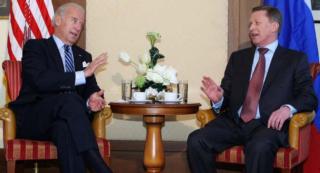
The U.S.-Russia "reset" will face significant challenges as it matures. Both sides must show sensitivity and flexibility in recognizing each other’s political and security constraints, and think creatively to find possible common ground.
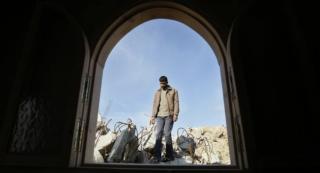
As revolutionary change sweeps across the Arab world, there is a distinct window of opportunity for the United States and Israel to push urgently for a lasting peace between Israel and Palestine.
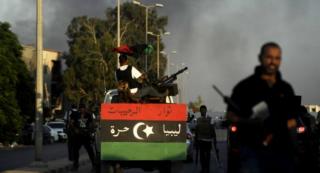
One major risk coming out of Libya’s escalating internal turmoil is the ability for dangerous Islamist fighters who were previously in custody to threaten U.S. interests.
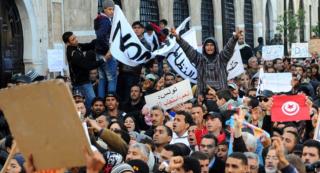
The unrest that has swept through Tunisia, Egypt, and Libya resulted in large part from the inability or unwillingness of the ruling regimes to make significant improvements in the lives of the general public. The departure of the heads of these regimes, however, does not necessarily signal an end to the revolutionary process.
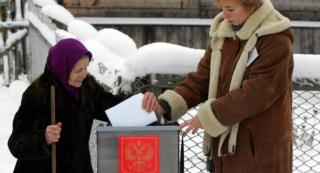
Both the electoral system and the party system in Russia are in deep crisis; the political parties are not ready for a change in the relationship between the government and its people and are unable to position themselves to aid cooperation between the authorities and Russian citizens.
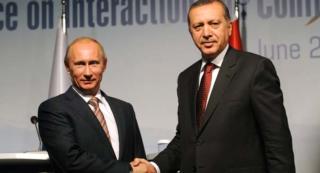
In the past 20 years, there has been a major, and positive, turnaround in the Russo-Turkish bilateral relationship.
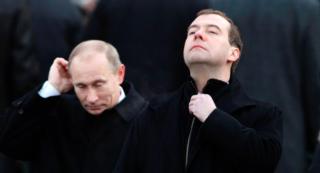
Putin’s Russia—which raised living standards, increased political apathy, and led to sovereign democracy—is over. As parliamentary and presidential elections approach, long-simmering social, economic, and political disputes are spilling into the open, and public politics are returning to the fore.
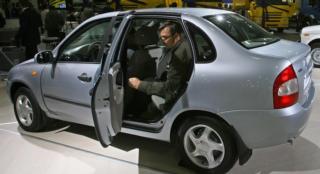
Low fuel prices and a lack of government incentives have hindered energy efficiency improvements in the Russian auto industry, but greening the country's vehicles is a necessary precursor to further economic modernization.
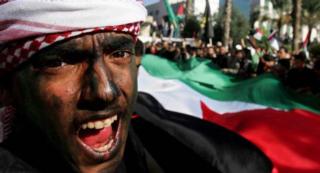
Although Russians are closely watching the demonstrations and regime changes taking place across the Middle East and North Africa, it is the situation in Central Asia that is more likely to affect Russia in the long run.