Carnegie Moscow Center

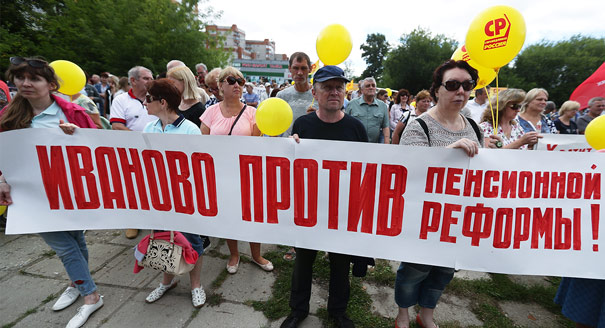
The Russian public’s appetite for change has increased considerably in the past two years, according to a new poll by the Carnegie Moscow Center and the Levada Center. What kind of change do people want, and what are they prepared to do about it?
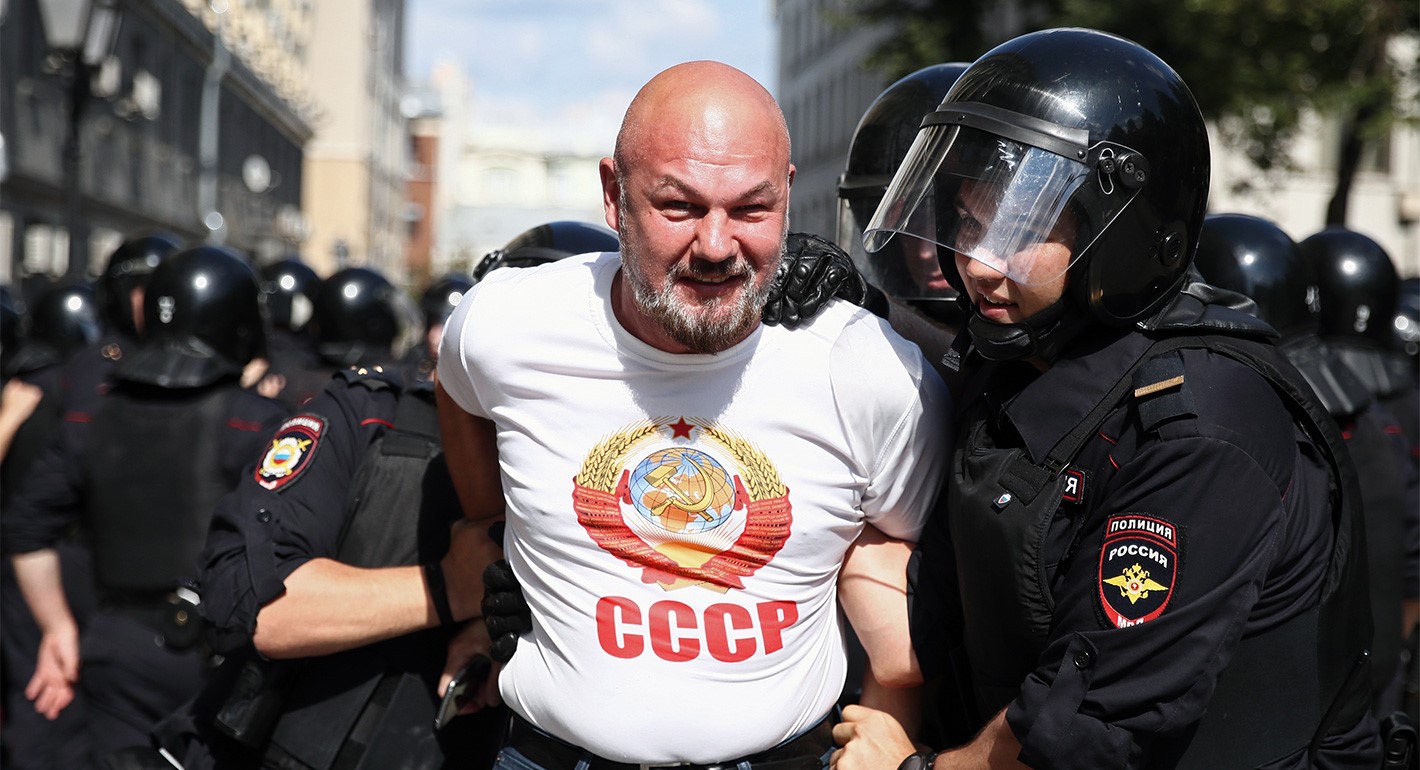
If the thirst for political change continues to gain momentum in Russia, a full-scale demand for political freedoms and alternatives may emerge quite soon.
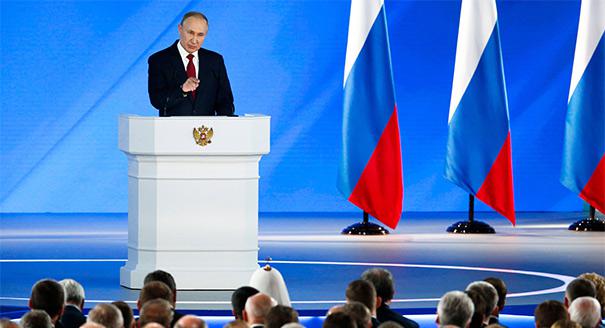
President Putin’s unexpected proposals this week to change the Russian constitution prompted the instant resignation of the Russian government. What’s he trying to achieve, and will he succeed?
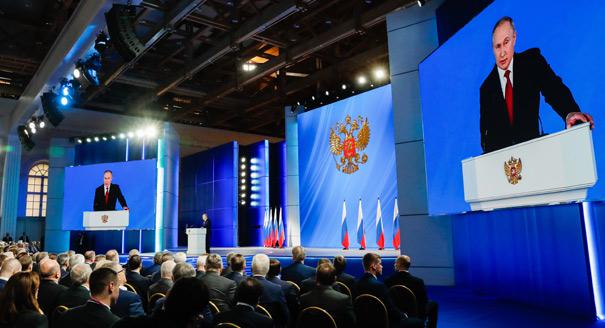
Of the constitutional reforms put forward by Putin, what will really change a lot is the proposal to give the Russian constitution—including repressive Russian legislation—priority over international law. This violation of the usual hierarchy is nothing short of a legal revolution.
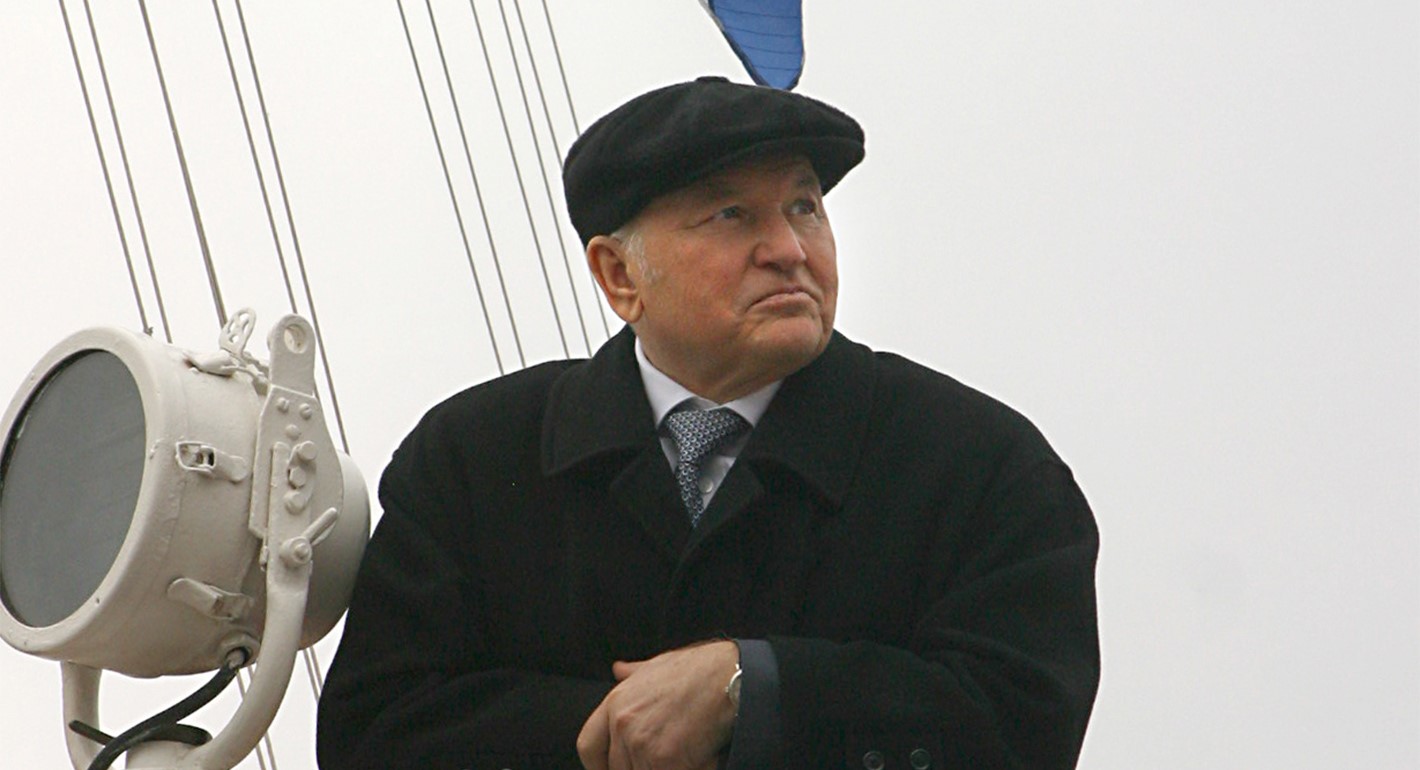
Although former Moscow Mayor Yury Luzhkov was actually the first senior official to demand the return of Crimea, he remains best known for his signature cap and businesslike approach to managing the capital.
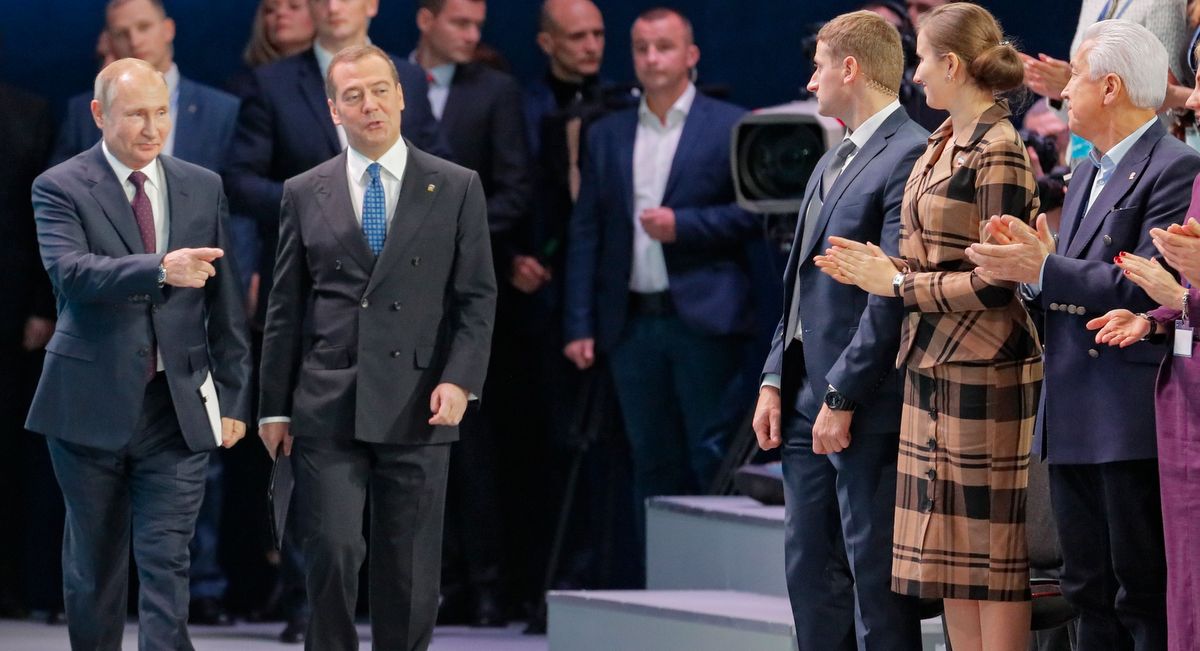
The combination of aggressive conformism and petty indifference is the basis of the regime’s popular support.
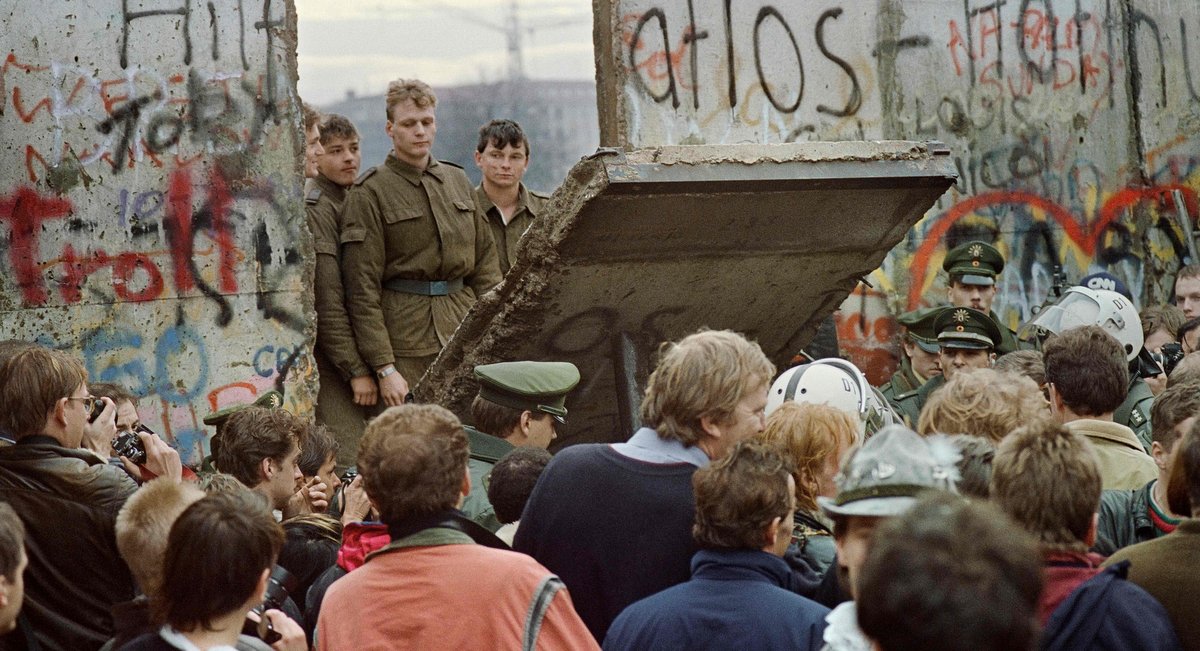
We should never forget the benefits that Germany’s reunification brought to the world.
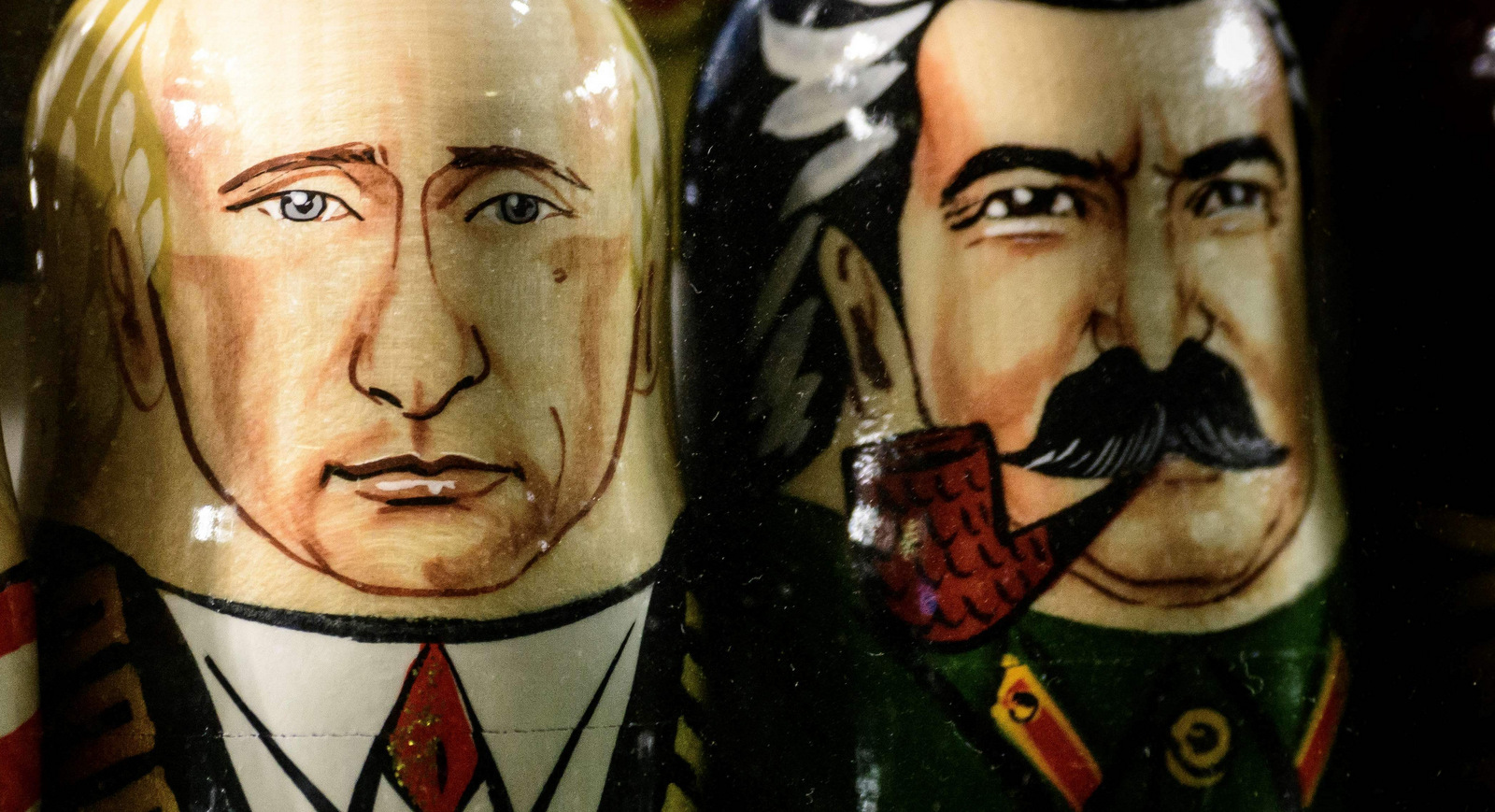
Russian officialdom has lately developed an enormous appetite—bordering on patriotic hysteria—for historical politics.
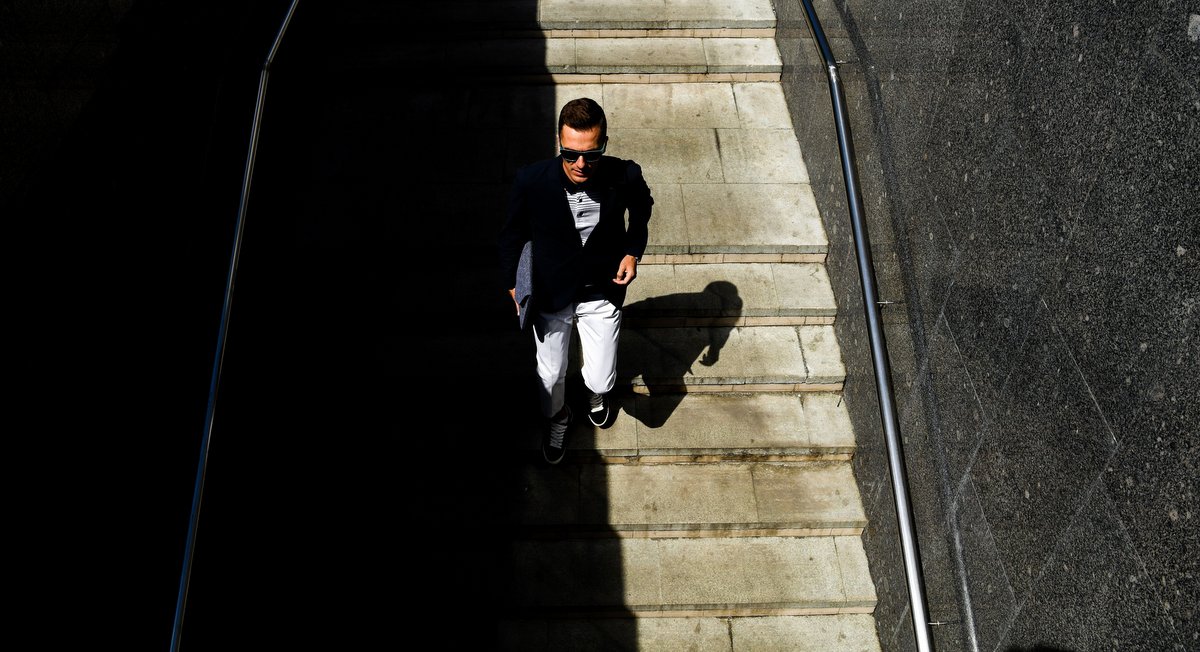
During the recent protests in Moscow, a clash has been taking place between the two middle classes: one born of the market economy, and one for which the only possible social elevator is the state itself.

Sergei Chemezov’s comments on the public mood in Russia testify not to the specter of a thaw, but, on the contrary, to the fact that the clampdown is in full swing, and only individual members of the inner circle are apprehensive of the authorities’ new radical strategy of repression, which will provoke a new spiral in the war that is already de facto raging between the state and civil society.