Carnegie Moscow Center


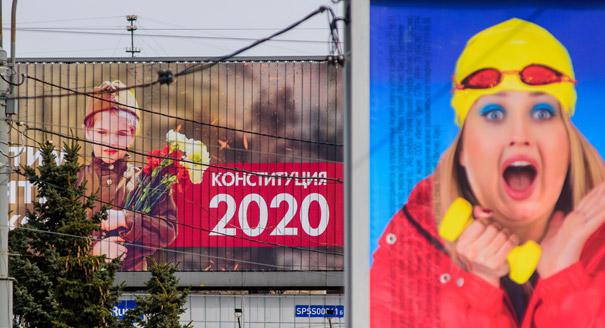
Putin is using the upcoming public vote on changing the constitution to make ordinary people his accomplices in the process of extending his rule and sanctioning the predominance of an ultraconservative ideology.
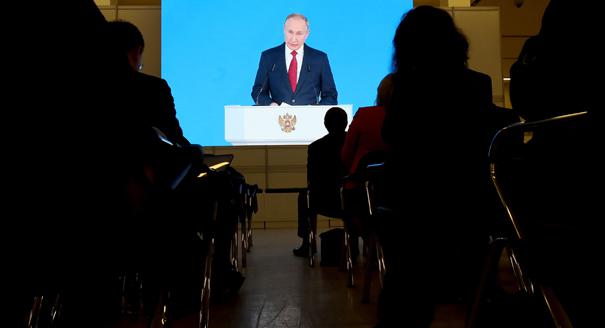
Two key mobilizing events—the vote to change the constitution and the Victory Day parade—were supposed to force Russians to temporarily forget about their low incomes and stagnating GDP. The pandemic meant they had to be postponed. Now—as lockdown measures are lifted—the Kremlin is trying to return to the scenario of rallying around the flag.
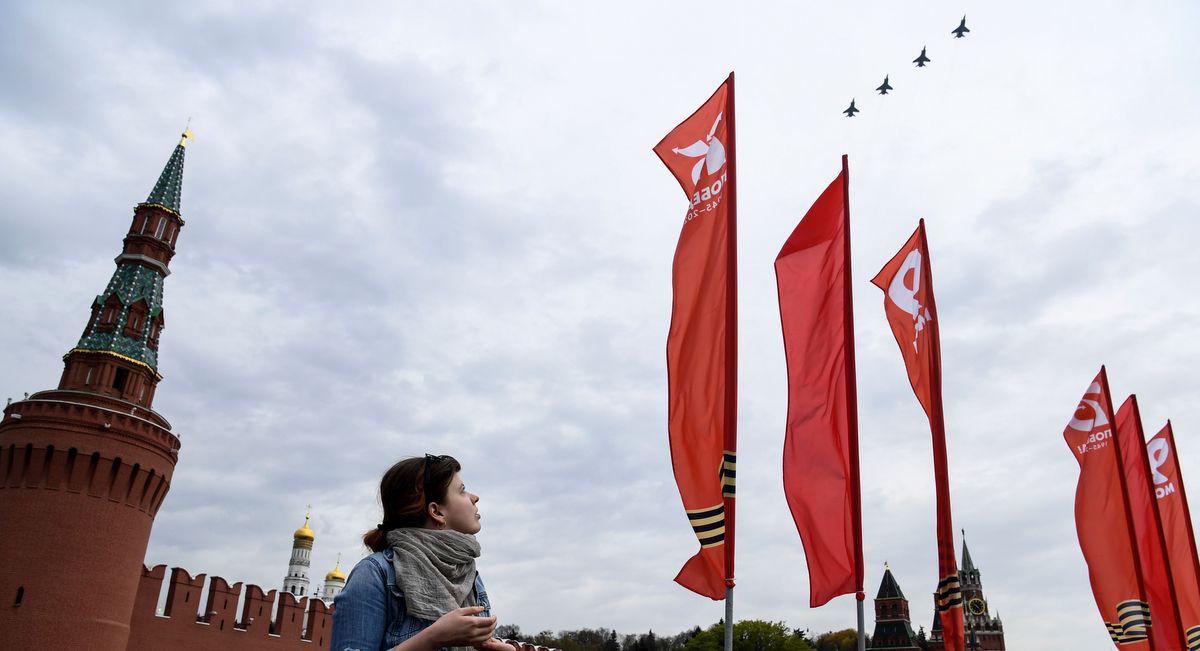
The foundation of the current Kremlin ideology is a defensive narrative: that we have always been attacked and forced to defend ourselves. Another line of defense is history.
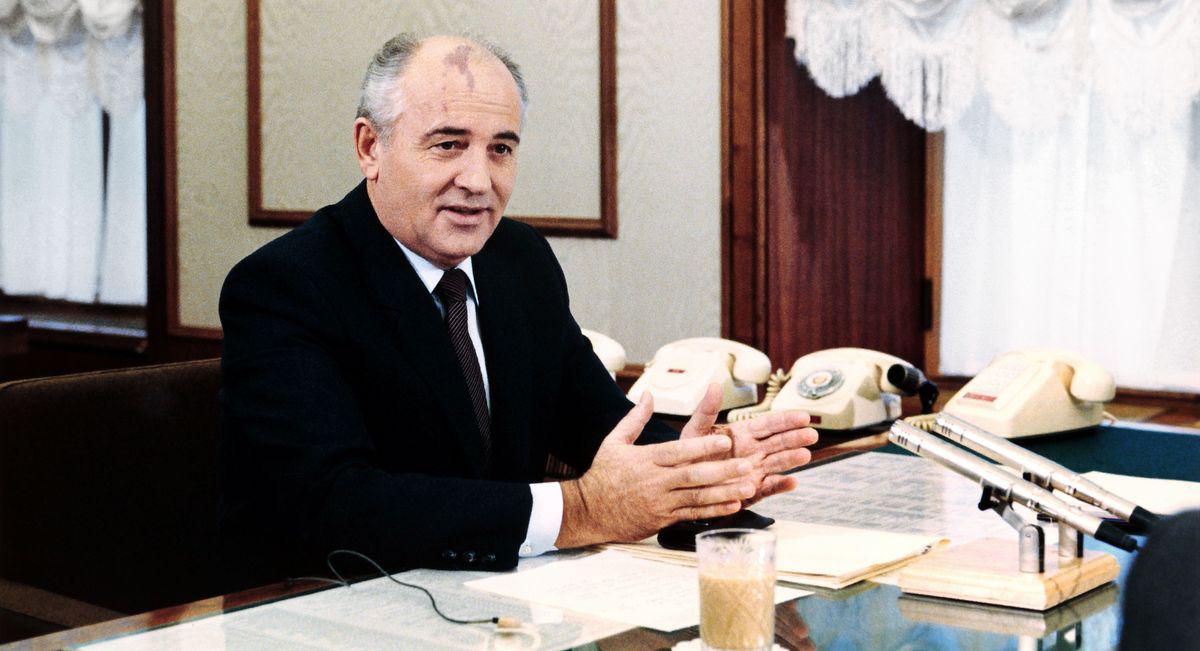
Whereas Mikhail Gorbachev granted his people freedom and suffered a crushing personal defeat, Vladimir Putin is doing exactly the opposite. But, in the end, it is Putin's legacy that will suffer, and Gorbachev who will be redeemed.
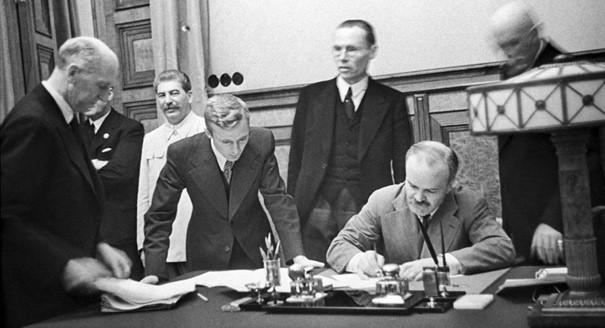
For President Vladimir Putin and the Russian leadership, history—in particular, key events of World War II and the Stalin era—are increasingly a political weapon used to legitimize their rule and mobilize the Russian public. As a result, many Russians are now collectively forgetting historical events that were common knowledge two decades ago.
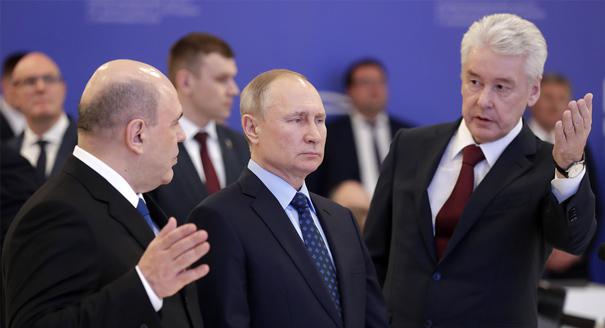
Putin’s move to extend his rule beyond its expected end in 2024 has worked against the president. Meanwhile, the new coronavirus and falling ruble have proved more effective than any action by the opposition aimed at damaging Putin’s ratings.
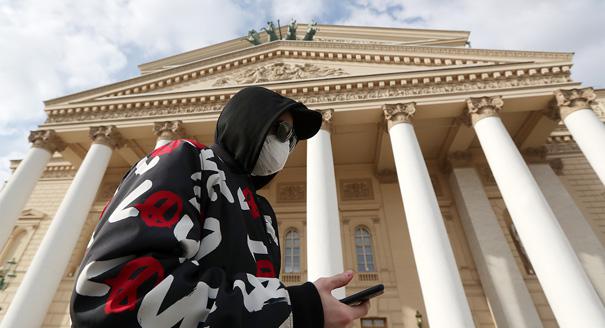
As of March 23, Russia had reported 438 cases of coronavirus and one disputed death. But there is growing speculation in the West over whether official figures can be trusted and whether the Kremlin might be making use of the pandemic to further its own ends.
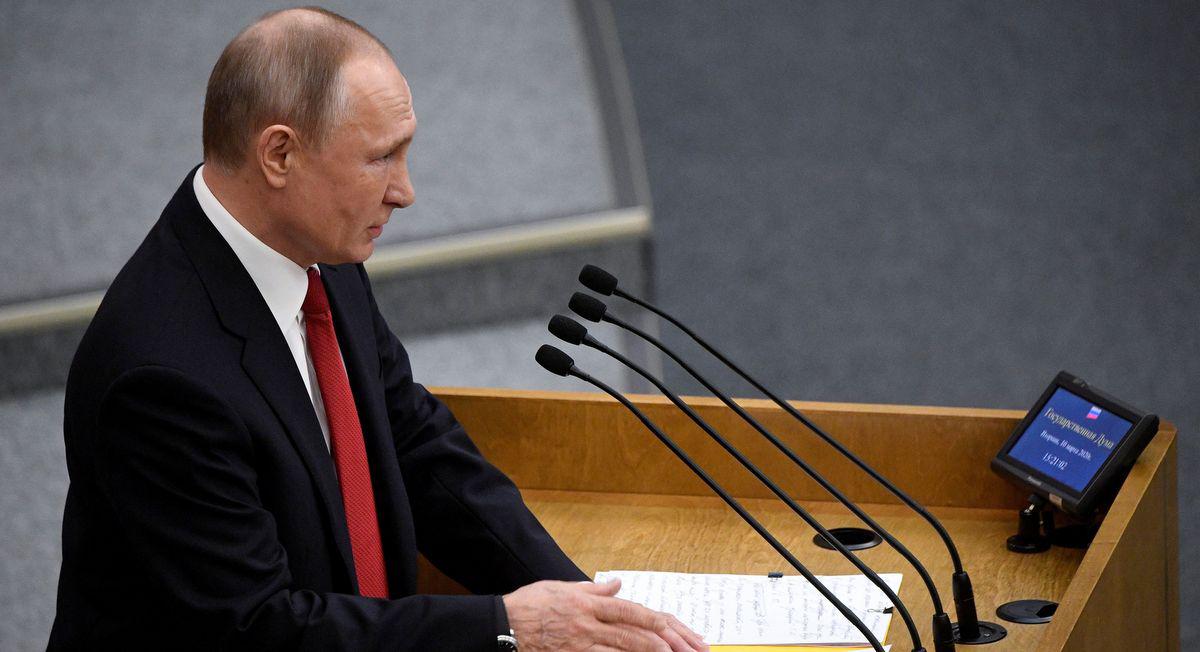
Amid a coronavirus pandemic and looming global economic crisis, Russian President Vladimir Putin has suddenly revealed how he intends to remain in power beyond 2024, when what should be his final term in office ends. In doing so, Putin seems to have bet – not incorrectly – that there is simply no one who can stop him.
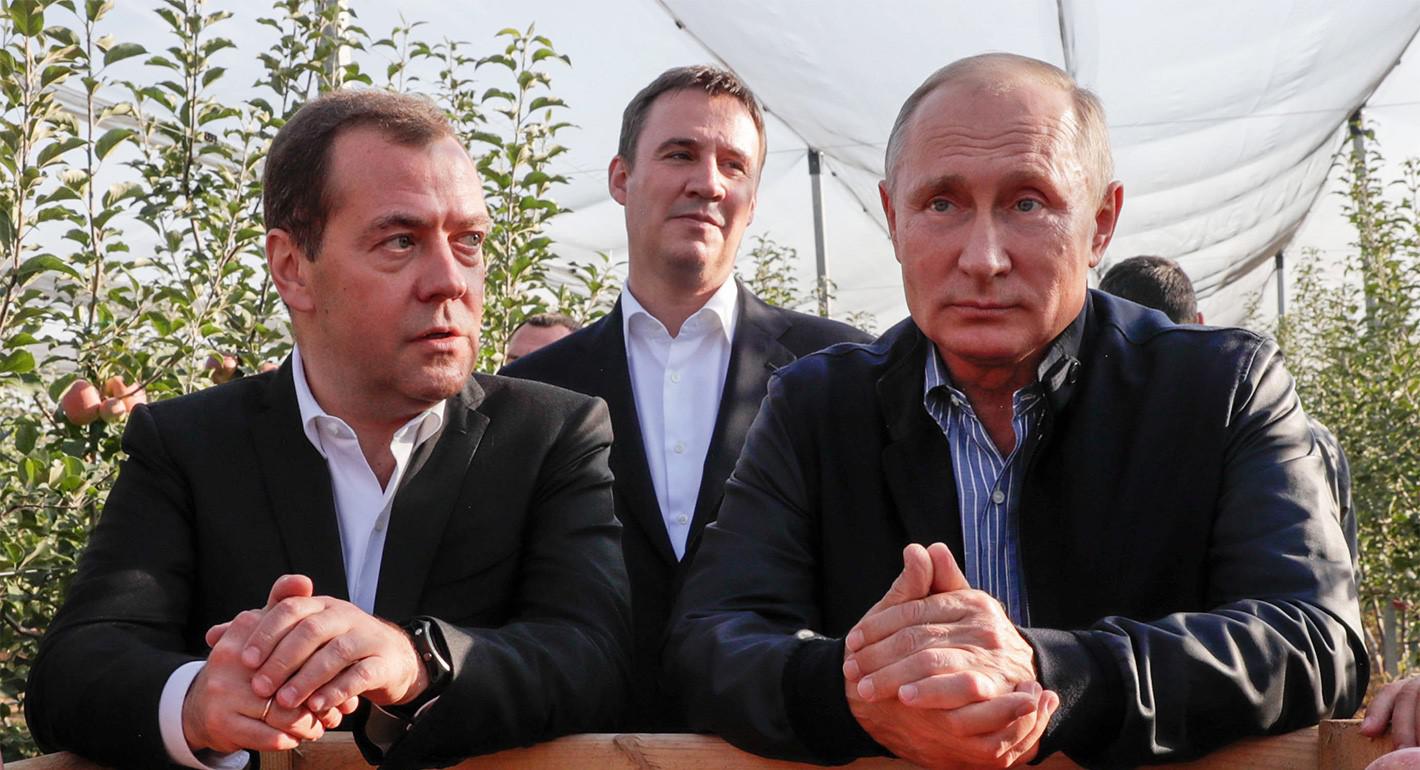
The 2024 election will be one in which the generation of “Putin’s children,” those who have made their careers and profited from the twenty years of Putin’s presidency, face a serious challenge to keep the assets they have acquired.
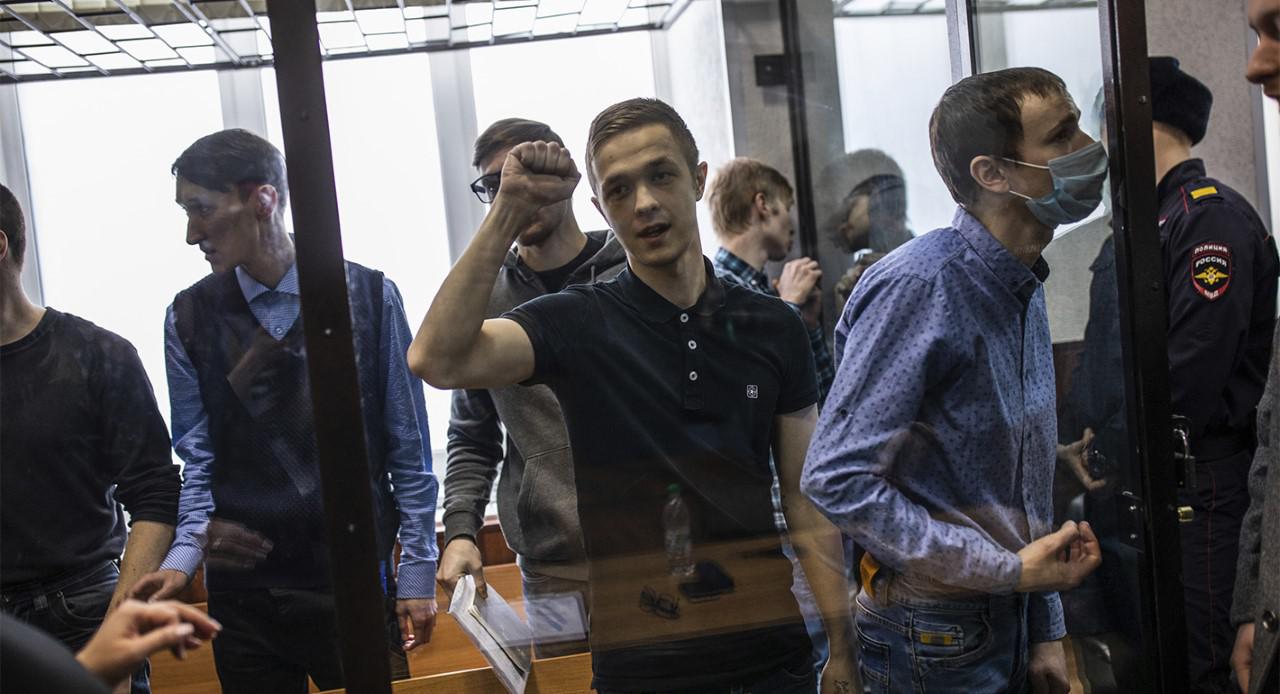
The extreme sentences handed down to defendants in what is being called the “Network Case” is an ominous sign.