Carnegie Moscow Center

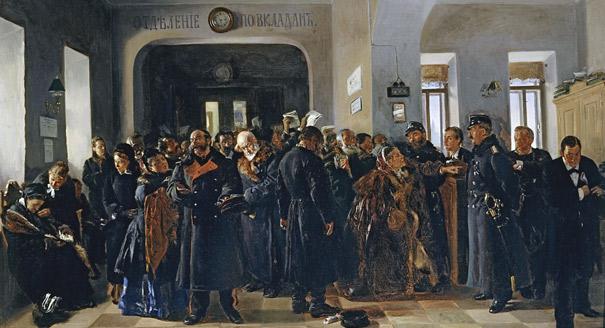
Falling oil prices leave no chance Russia’s GDP will grow in 2020—a bleak prospect for both ordinary people and once optimistic investors.
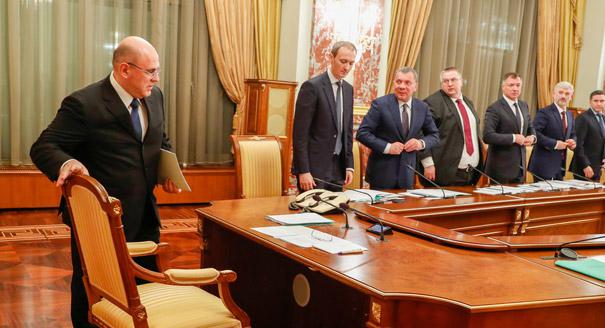
The main task of Putin’s economic policy is to collect as much in taxes as possible. This is why the man who successfully transformed the Federal Tax Service is now head of the government.
An impartial reading of the Organized Crime and Corruption Reporting Project investigation into Troika Dialog can offer only one conclusion, and it is not remotely innovative: financial institutions where compliance procedures were far less stringent ten years ago than European regulators insist on today could be used for money laundering. That is no more original than concluding that knives can be used to stab people. Yet it hasn’t occurred to anyone to blame crime on the creators of its weapons.
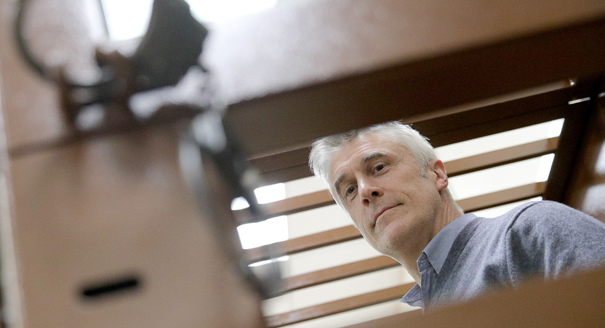
The state is one of nothing other than arbitrariness. After the lawlessness of the mid-1990s in Russia, many hoped that competition between various groups of the elite would force them to create a system of laws and rules to protect them (and everyone else) from arbitrariness. But it didn’t turn out that way: one of the groups—the one furthest from both honest business and from society—won the battle and made arbitrariness the guarantee of its position.

Russia’s crony-capitalist economic model requires an ever-increasing volume of funds to be burned on lavish mega-projects that generate huge profits for a dozen families close to the Kremlin. Now it seems to be pensioners’ turn to make the sacrifices needed to finance the appetites of Russia’s new aristocracy.
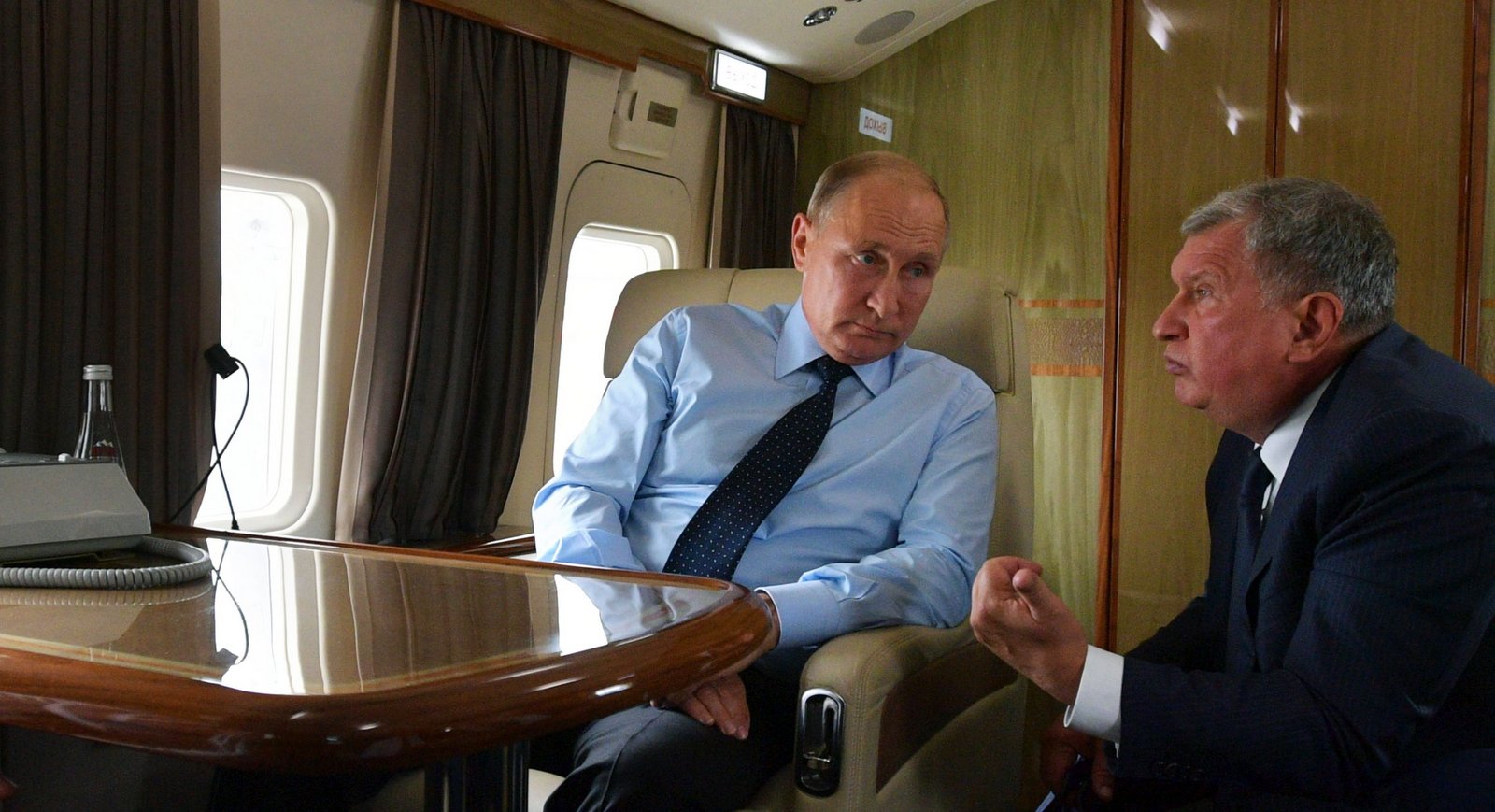
Washington thinks punitive measures will change Moscow’s calculus, but the Russian economy is doing just fine.
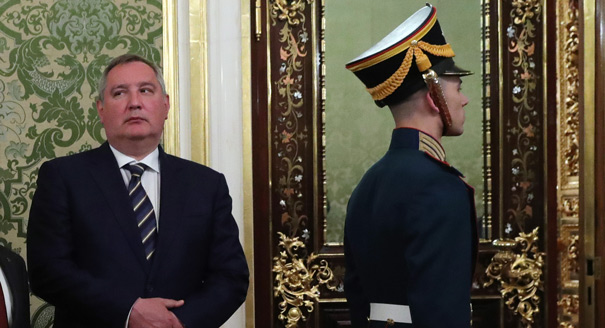
The new Russian government will cease to be a place for formulating strategies and implementing policies. Instead, it will focus on creatively calculating and reporting Russia’s accomplishments to technically meet the president’s expectations.

Many more Russian oligarchs, bureaucrats, companies, and businesses can expect to appear on future U.S. sanctions lists. Russia, not seeing an immediate catastrophic effect, will respond to new sanctions by searching for more enemies within and ramping up anti-American propaganda. The United States, which loses nothing from this policy, isn’t likely to initiate change, so it will be up to the Kremlin to change its approach—before it’s too late.
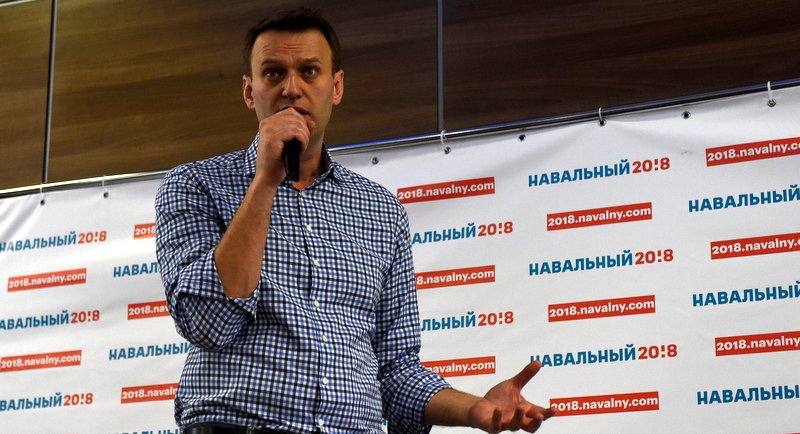
Most of Navalny’s economic proposals are seriously concerning and evocative of left-wing populist slogans. The policy platform contains outright errors, but its greatest problem is that it attacks all vocal parts of society in favor of a mythical “people.” Attracting voters with such a platform will prove to be difficult.
Russian banking system needs a supervisory authority independent of the central bank. Retail banks should be prohibited from investing in non-liquid assets, while the liquid securities market should be saved for investors