Carnegie Moscow Center

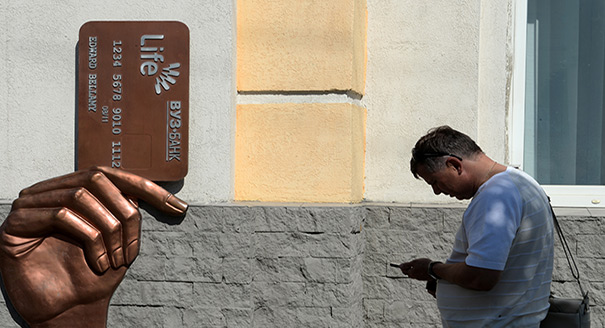
Watching the drama of Russia’s private banks collapsing one by one naturally triggers fear: of more than 3,000 registered banks, about 2,600 have already lost their licenses. After the bailout of Otkritie and BIN, the government’s share in Russia’s banking system assets exceeds 80 percent. Fixing Russia’s banking system requires addressing the deep and systematic flaws in the central bank and the financial sector at large.
Andrey Movchan explains what lessons Russia can learn from Mexico, the United Arab Emirates, and Venezuela to deal with the perennial “resource curse.”
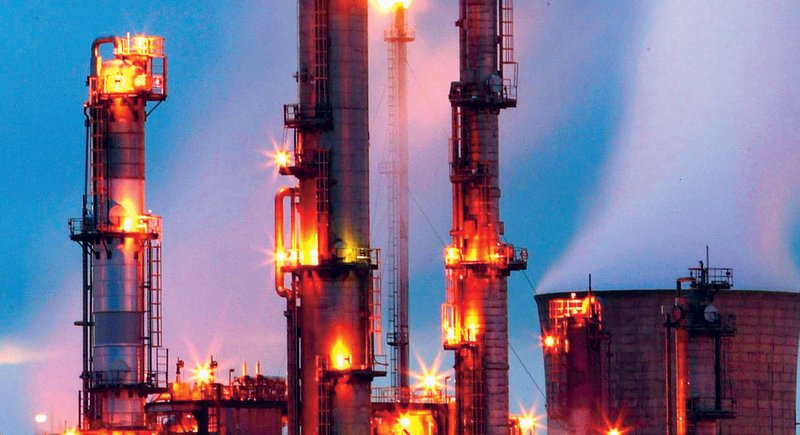
Achieving economic diversification in countries dependent on oil exports is a major challenge. Most diversification strategies have failed, and there are no examples of countries that have successfully managed to fully diversify away from oil.
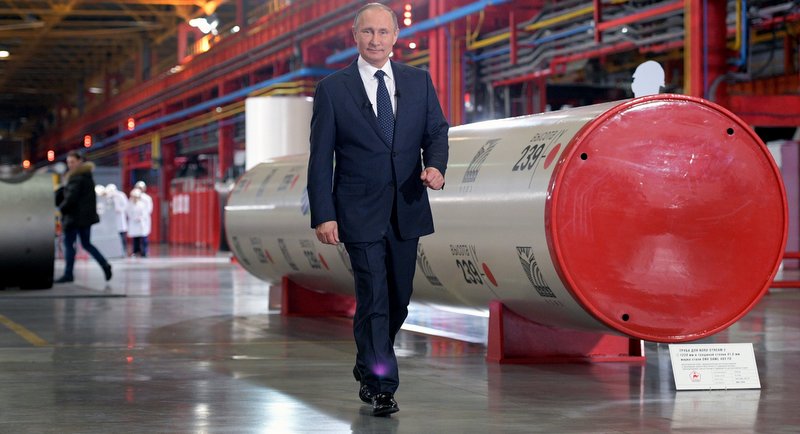
Having found itself in a lose-lose situation, the West will most probably do nothing—keeping sanctions in place and freezing the situation. The Kremlin will be happy. Russia won’t stop meddling in Ukraine or give up Crimea.
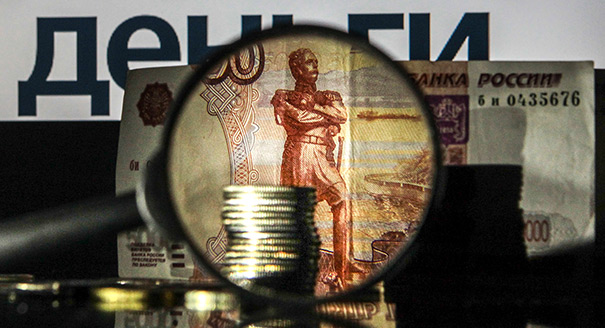
Russia faces bleak economic prospects for the next few years. It may be a case of managed decline in which the government appeases social and political demands by tapping the big reserves it accumulated during the boom years with oil and gas exports. But there is also a smaller possibility of a more serious economic breakdown or collapse.
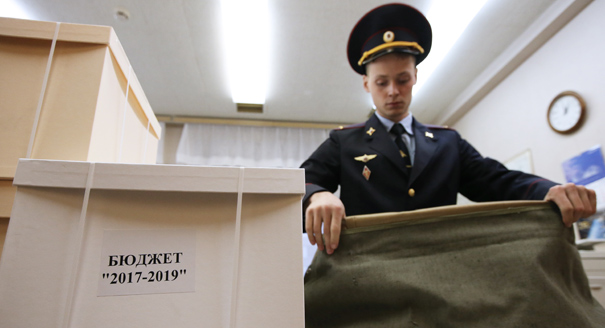
The budget clearly illustrates its authors’ thinking. They fear popular discontent and so don’t want to risk taking unpopular steps. The regime’s main goal is short-term stability, so it keeps supporting the paternalistic governing model, which is increasingly trapped in the cycle of social spending.
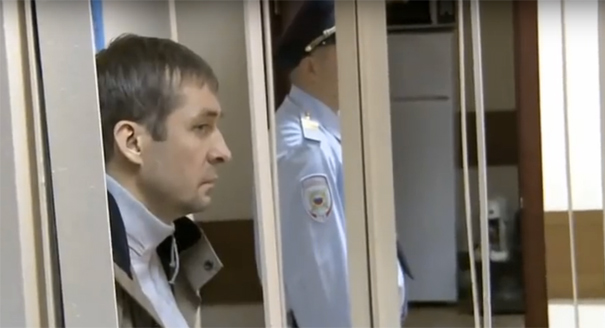
The $120 million in cash found in Dmitry Zakharchenko’s sister’s home must have come from some sort of illegal business activity—likely involving the contraband market.
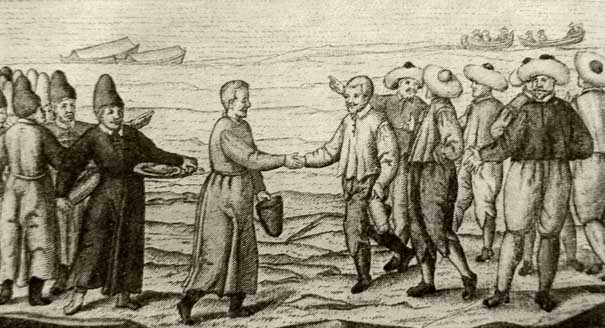
Trade relations between the EU and Russia will likely remain stable for many years, even as the overall volume of bilateral trade gradually contracts. The EU will grow less dependent on Russia for energy security, while Russia will become less reliant on European finance, industry, and infrastructure.
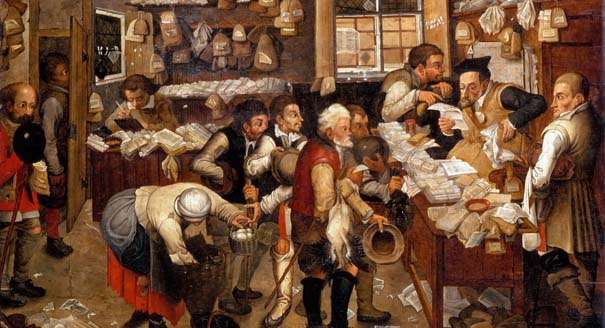
It will be nearly impossible for Russia to revive its economy through state investment in infrastructure alone. Conservative estimates suggest that Russia would have to invest 15 percent of its GDP in infrastructure annually for many years to have a significant effect on the economy.
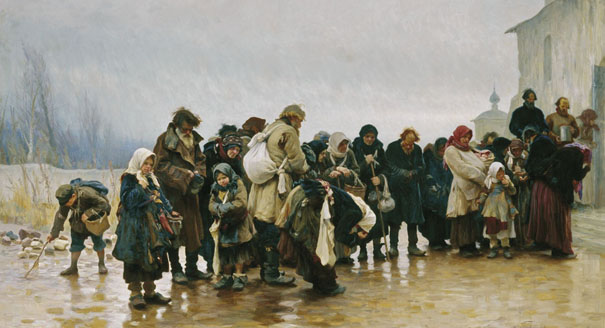
Russia’s economy will likely contract gradually over the next three to four years and then become increasingly socialized, as the government implements price and currency controls, monopolizes foreign trade, embarks on a large-scale nationalization of private industries, and increasingly regulates salaries and consumption.