Carnegie Moscow Center

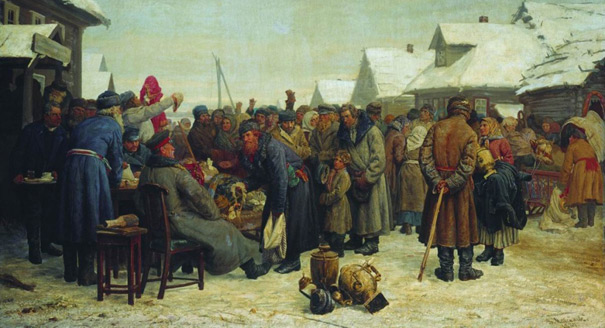
The Russian government will attempt to increase state revenues without meaningfully reforming its economic or social welfare system. Its main objective will be to preserve the stability of the regime while continuing to provide support and sources of substantial profits for elite interest groups.
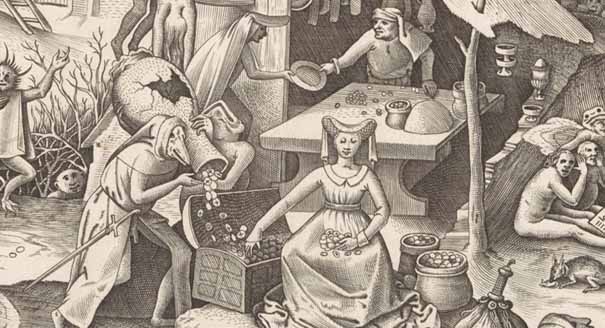
The Panama Papers cannot do much damage to the reputation of Putin and his friends, and they have not exposed criminal activity by prominent Russians. But they shed light on a fundamental problem: not even elites trust Russia’s economic, legal, or political system.
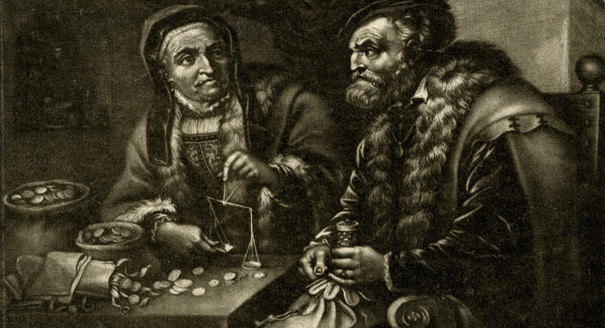
As Russia enters its second year of economic malaise, elite interest groups that rely on revenue streams from the federal government continue to oppose state budget cuts. But they have successfully managed to escape responsibility for the economic crisis.
External factors are having little impact on the health of the Russian economy. Sanctions and counter-sanctions are not a big factor either. An effort to make Russia self-sufficient and rely on import substitution poses a much bigger danger.
The Russian economy is unlikely to suffer any dramatic reverses this year. But there will be no reform and ordinary citizens will bear the brunt of the economic downturn.
Lack of investment, a deficit of trust of the private sector in the government, and a drain of migrant workers and professionals make it much harder for Russia to recover from its current economic malaise.
Over the last decade and a half, the Russian economy has undergone a classical resource cycle, and now it lacks both the capacity and the momentum for new growth. But the wealth accumulated in the boom years will insulate the country against a crash for at least three years.
There is no reason to expect any serious changes in the Russian economy in 2016. The coming year is likely to see a behind-the-scenes struggle between two special interest groups: those who will profit if industries are nationalized, and those who will benefit from foreign investment.
Turkey is one of Russia’s strongest trade partners. Imposing economic sanctions on yet another country is likely to hurt Russia itself the most.
The 2016 budget openly declares that Russia will not compete with the rest of the world in science and technology—at least not outside the defense sector. It suggests that the Kremlin has chosen to wait for oil and gas prices to increase (regardless of the likelihood of this actually happen) while continuing to support the military-industrial complex.