Carnegie Moscow Center


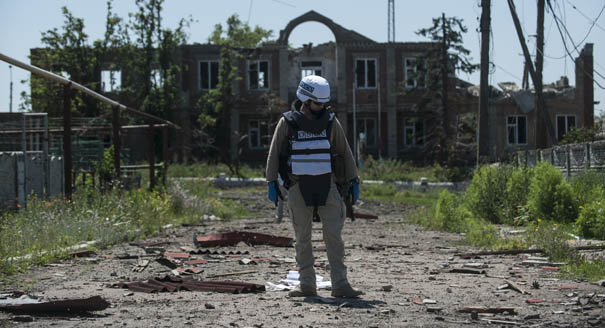
The past two years have shown that in order to reliably end the fighting, an essential condition for the implementation of the Minsk agreements is a full-scale peacekeeping mission under the mandate of the UN Security Council with the use of military contingents of OSCE countries, equipped with armored vehicles, artillery, helicopters, and drones.
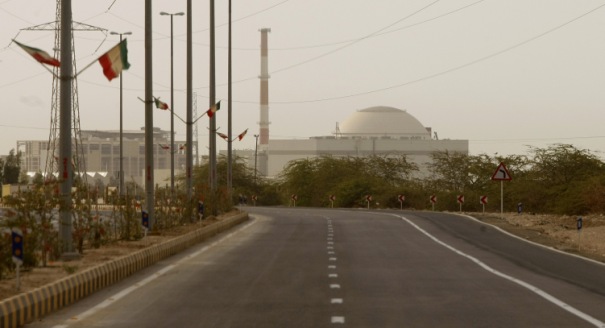
The Iranian nuclear deal may have created a useful precedent for Nuclear Non-Proliferation Treaty member states to strengthen the global nuclear nonproliferation system.
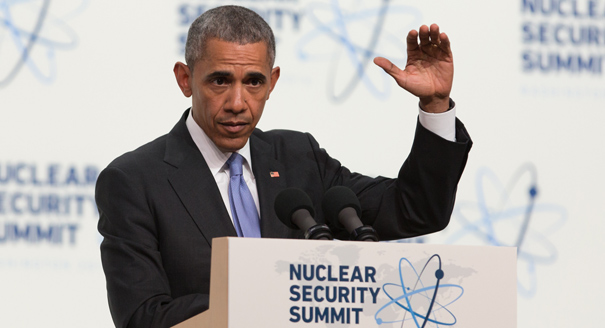
If the nonproliferation regime is violated and terrorist organizations get access to nuclear technologies, it will be much easier for them to reach Russia through its neighboring borders than the United States across the Atlantic.

A first strike with nuclear weapons in a conflict between the great powers is bound to be catastrophic. At a time when speculation on nuclear weapons use has increased Russia and the United States should restate their commitment to the nuclear war prevention on which they had agreed in the Cold War era.
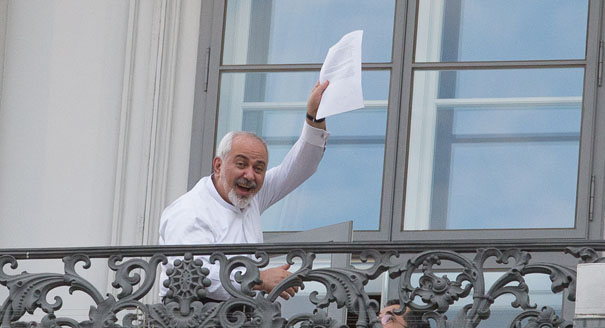
In assessing this compromise agreement, we should consider all the possible alternatives. There are three: a new Gulf War with airstrikes against Iran. The second option is a nuclear-armed Iran. The third possibility: a strike against Iran, followed by an Iran with nuclear weapons, and then followed by another regional war—only this time, a nuclear one
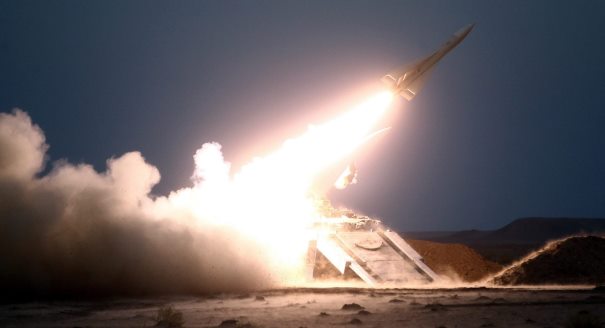
Beginning with the signing of the Partial Nuclear Test Ban Treaty in 1963, an international arms control regime has limited existing nuclear arsenals and prevented further proliferation of nuclear weapons. But that entire system could soon unravel.
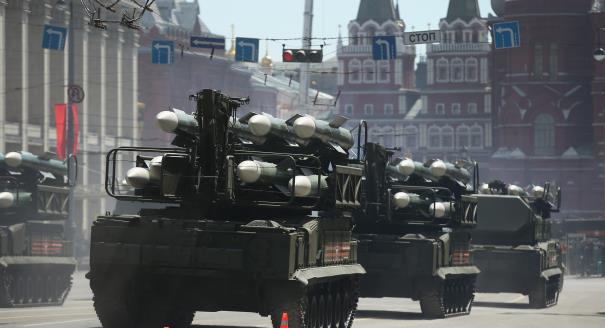
Dialogue between Russia and the United States is needed to defuse tension and tone down irresponsible statements on both sides about nuclear weapons.
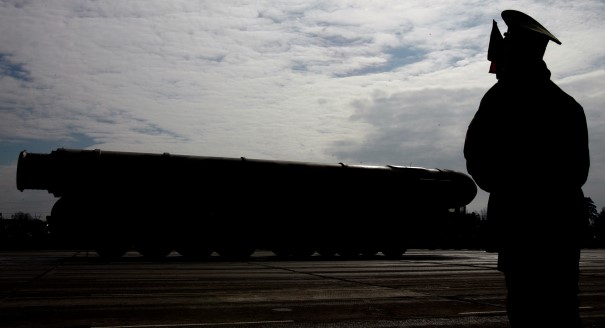
The nuclear arms control regime is unraveling. An aggressive search for new formats, concepts, and methods is urgently needed to adapt the system to changed realities.
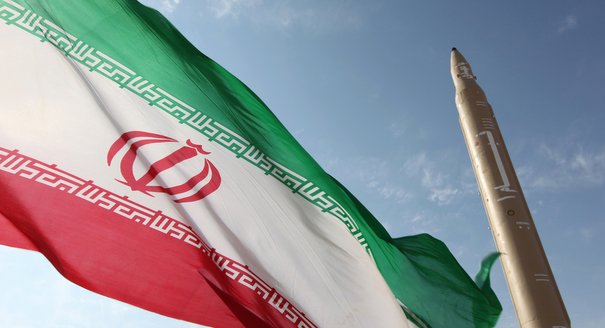
The risk of a failure to reach a comprehensive deal with Iran is growing. However, a gradualist approach is the most realistic option for solving the nuclear issue.
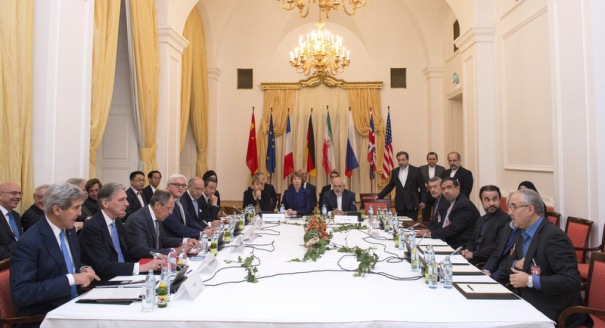
If the nuclear talks fail, further Russian cooperation on coercing Iran is not likely while Russia and the West remain locked in a standoff over Ukraine. Moreover, Russia and Iran may move to build closer relations in the future.