Carnegie Moscow Center


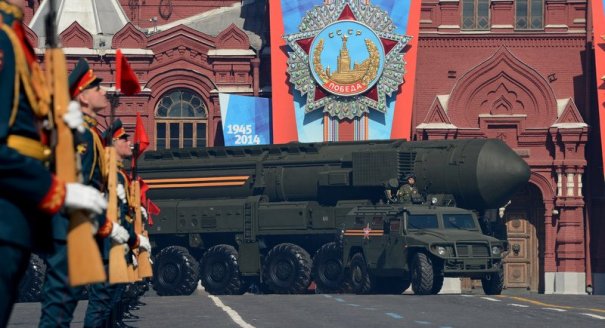
Those fearing a repeat of the Cold War should understand that the current situation may be worse than the Cold War in some respects.
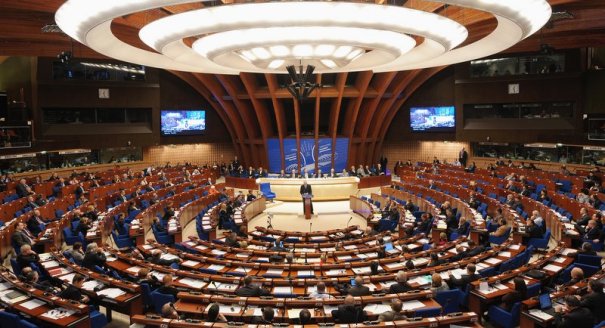
If Russia follows through with its threats to leave the Council, though, how will its place in the world be impacted? What would that decision's ramifications be for normal Russians? We asked Carnegie's experts to share their thoughts.

Eurasia Outlook asked its experts to reflect on the dramatic events of 2014 and to share their predictions for Russia's future and for its role on the global stage going forward.
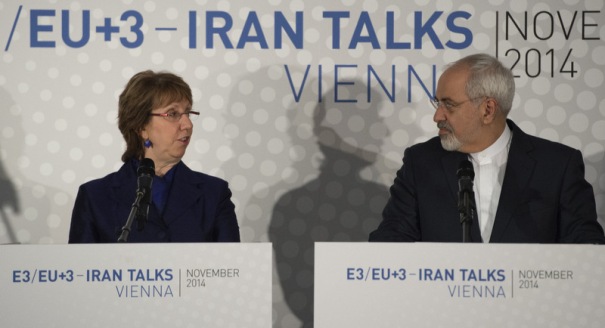
After another failed attempt to reach an agreement on the Iranian nuclear program, all now depends on whether Russia, the United States, and other states can find the political will to take responsibility for global security.

Putin’s statements on weapons of mass destruction at the Valdai forum may have been just a tactical move to offset his harsh criticism of the United States. But it may well be an invitation to a serious discussion with Washington.
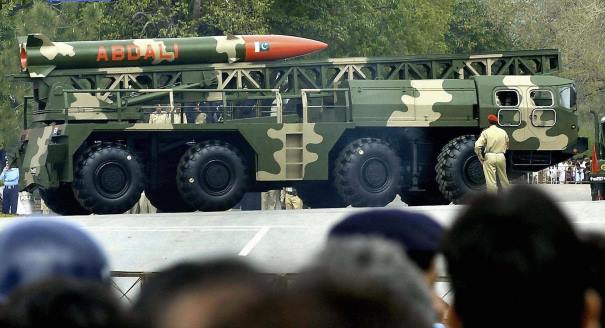
South Asia is more vulnerable to a possible nuclear conflict than any other region. It is necessary to take a number of urgent steps to stabilize relations between India and Pakistan and prevent a nuclear threat.
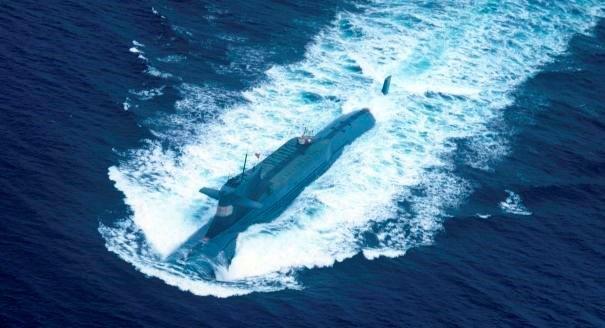
In spite of all the difficulties, it appears possible to engage China gradually in the nuclear arms limitation process. However, not only Beijing but also the United States and Russia must revise their military policies.
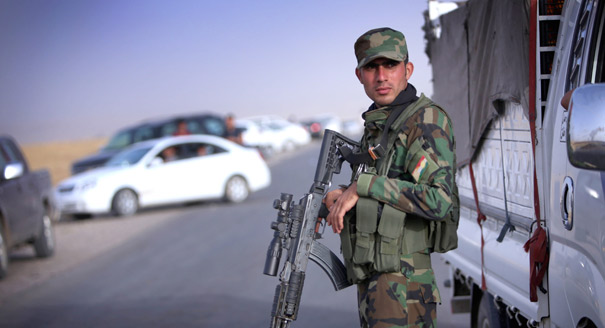
The events in the Middle East in the last few months have muddled the primitive black-and-white picture painted by the advocates for the new Cold War. The modern world presents us with an incredibly complex, conflicting and at times somewhat bizarre picture.

The failed unipolar world is being replaced with a polycentric world order based on several major centers of power. Russia can become a full-fledged global center of power only if it moves to a high-tech economy and implements democratic reforms.
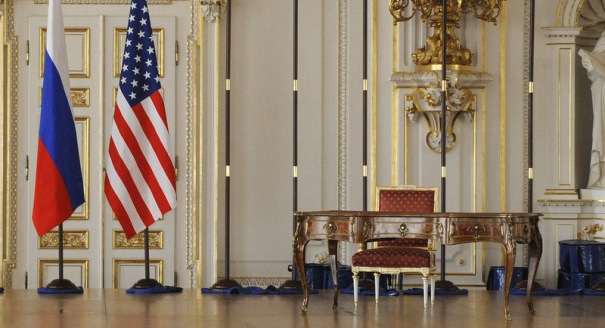
The growing hostility between the Russian and American societies accompanies the tensions in state bilateral relations.