Carnegie Moscow Center


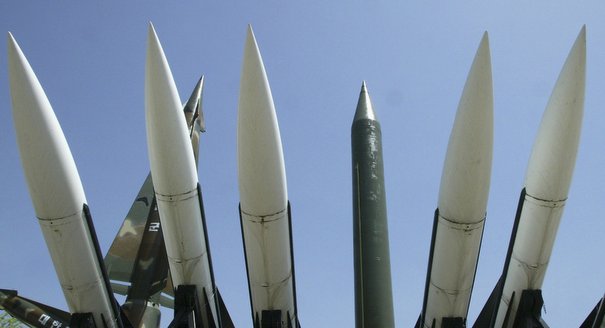
The tensions between Russia and the West heightened over the issues of compliance with the INF treaty. In this case, it would not be prudent for Russia to seriously compromise its long-term security yet again while pursuing tactical goals or relying on superficial arguments.

The fundamental dilemma of Moscow’s policy lies in whether it is worth cooperating to achieve a comprehensive agreement with Iran, which would primarily be a success for the United States, under conditions of confrontation with the West over Ukraine.
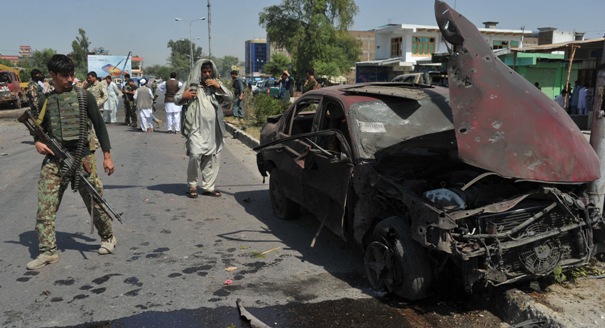
The problems arising across the globe from militant radical Islam cannot be dealt with at a later date. Russia and the West have vital mutual interests, since they share this common enemy. Given the extent of its involvement, Russia should take the initiative.
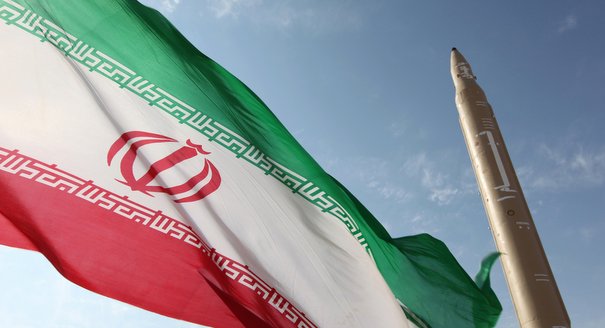
A number of complex questions remain unresolved as negotiations on Iran’s nuclear program enter their final stage. The main question is whether the cooperation between Russia and the West would continue at the previous levels in the midst of the crisis in Ukraine.
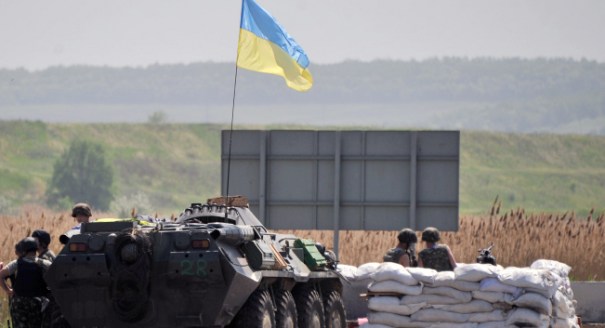
Even as relations sour between Russia and Ukraine, Russian-Ukrainian defense-industrial cooperation remains very important for both countries. They both stand to lose if it wanes.
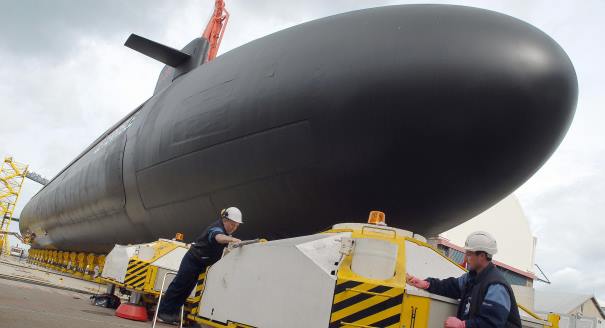
If Washington and Moscow move forward with creating a multilateral nuclear arms reduction dialogue, they should look first to France and the United Kingdom.
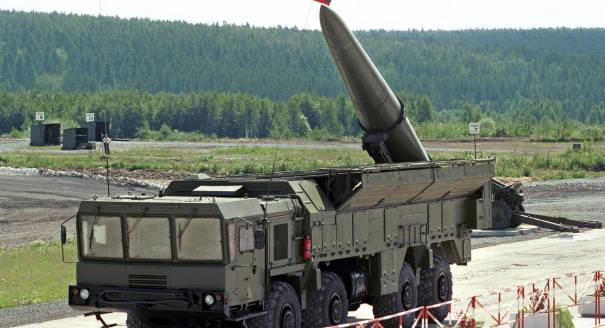
No agreement prohibits deploying of Iskander missiles along Russia western border, but it makes the military situation tense. It appears that Russia chose the path of escalation in relations with NATO.
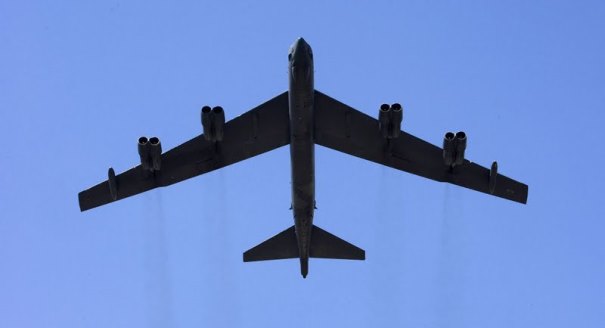
If a political window of opportunity in U.S.-Russia relations opens in the future, then the key to resolving the current impasse in the negotiations will not be an agreement on BMD systems, but rather an agreement on modern conventional long-range offensive weapons.
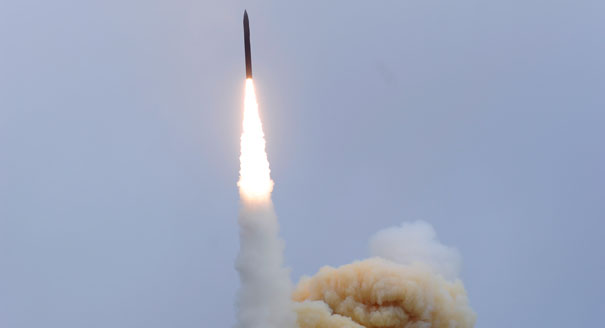
The current confidence-building and arms limitation measures are less effective for resolving the problems caused by the conventional prompt global strike systems being developed by the United States.

The proposal to hand over Syrian chemical weapons to international monitors is a very positive development. It may prevent the American airstrike against Syria and allows Russia and the United States to finally find some common ground.