Carnegie Moscow Center



It seems that Russia is not ready to face new and diverse threats and challenges in international security. Instead, it gives priority to preparations for war with the United States and NATO.
The “Great Triangle” of the Asia-Pacific region formed by the United States, Russia, and China is particularly important in both geopolitical and military-strategic terms.
In 2013, the state of, and prospects for, U.S.-Russian cooperation in arms control and security look more dubious than at any point since the end of the Cold War. The main obstacle is unfavorable domestic political environments in both countries.

Russian society is waking up and pushing back against Putin’s brand of authoritarianism, with the potential to bring about a transformation of the system into one based on the rule of law.
While nuclear arms control is enjoying a renaissance of late, whether that momentum dissipates or leads to further agreements will require a painstaking effort by U.S. and Russian diplomats and experts to move past Cold War prejudices and the mistakes and misunderstandings of the post-Cold War era.
There are significant arenas for military cooperation between Russia and the United States, including enforcing stability in Afghanistan and fighting against international terrorism.
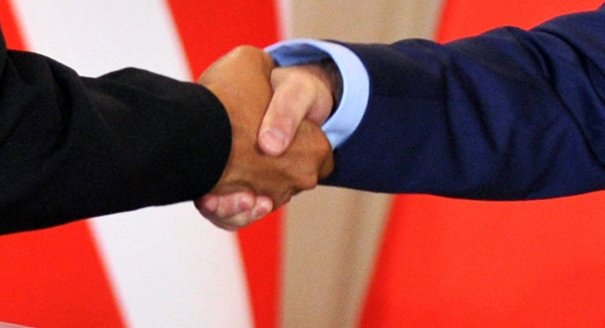
The signing of the New START in April 2010 was a major step forward in building a legally binding, verifiable strategic arms reduction framework, but more action is necessary to overcome persistent mutual mistrust and bureaucratic obstacles hampering further force reductions.
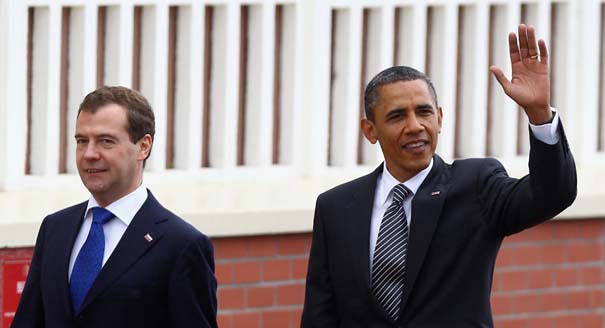
When President Medvedev and President Obama sign the new START agreement in Prague on April 8, they should emphasize their common interest in nuclear disarmament and make the ratification process another step in the positive resetting of relations.
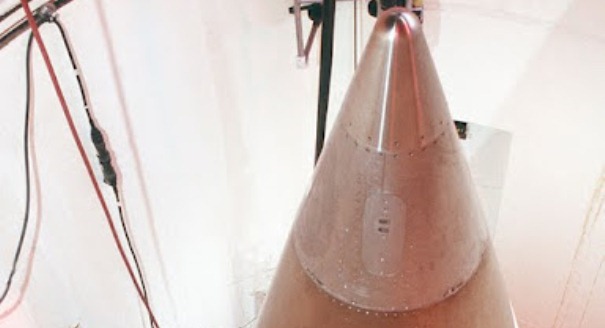
The Obama administration’s decision to abandon plans to deploy a European ballistic missile defense system has helped sooth relations with Russia and provided an opportunity for U.S.-Russian cooperation on missile defense.
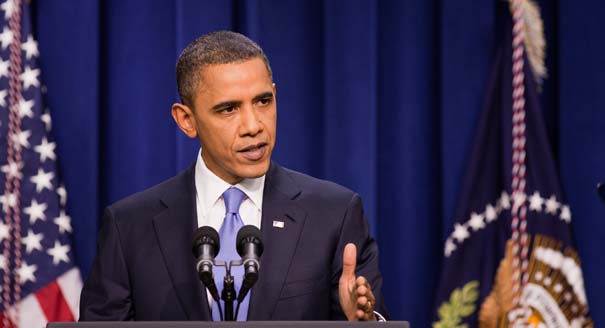
Despite the complexities involved, the new START treaty should be signed by spring 2010. The main stumbling block is that the United States prioritizes a regime of transparency, whereas Russia demands a reduction of strategic weapons.