Carnegie Moscow Center


Russia’s relations with the West are not about to get any better.
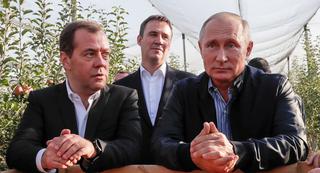
The 2024 election will be one in which the generation of “Putin’s children,” those who have made their careers and profited from the twenty years of Putin’s presidency, face a serious challenge to keep the assets they have acquired.

The extreme sentences handed down to defendants in what is being called the “Network Case” is an ominous sign.
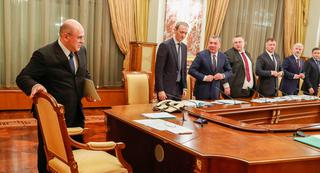
The main task of Putin’s economic policy is to collect as much in taxes as possible. This is why the man who successfully transformed the Federal Tax Service is now head of the government.

Arsen Avakov has survived Ukraine’s change of regime. President Zelensky needs him because of his links to the dark side of the Ukrainian deep state, against which the president’s young reformers are often powerless. The omnipotent minister is prepared to put aside his personal ambition to become the regime’s informal mainstay.
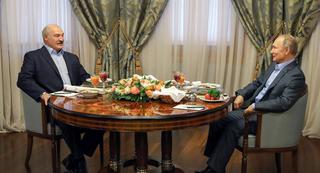
A row over energy prices is a sign that Belarus and Russia are set to have a cooler and more pragmatic relationship. Over the next few years, Minsk is likely to build a more balanced relationship with the West and Moscow, like that of Armenia or Kazakhstan.
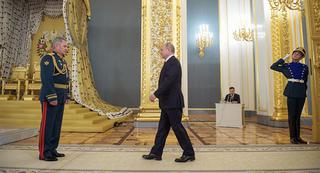
President Putin has embarked on a renewal of Russia’s ruling regime to make sure it weathers the political transition of 2024 and to preserve his personal power-base. The elite can be divided into five distinct groups, two of which, the “protectors” and “technocrats” may end up in a fierce ideological fight.
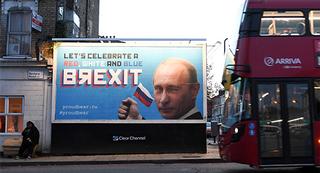
While broadly perceived as a blow to the EU and its values, Brexit will actually benefit a future democratic Russia. Britain’s exit will create a new model of Europeanness, in which a country can strive to achieve European standards without EU membership. That is a niche Russia can fill.
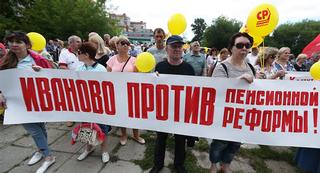
The Russian public’s appetite for change has increased considerably in the past two years, according to a new poll by the Carnegie Moscow Center and the Levada Center. What kind of change do people want, and what are they prepared to do about it?

The U.S.-Iran crisis of January 2020 did not lead to a major war in the Middle East, but it did reveal a number of new trends reshaping the world order.

Many Brits continue to believe that Russia interfered in the Brexit referendum campaign by financing and promoting the Leave campaign. In addition, the legacy of the poisoning of the Skripals will impact bilateral relations for years to come, with no mutually acceptable resolution in sight.
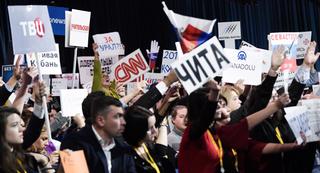
Alex Gabuev, Robyn Dixon and Max Seddon discuss the work of the foreign media in Moscow.
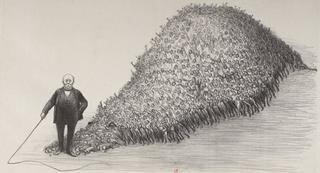
Most Russians are dumbfounded and intrigued, but not necessarily angry at Putin’s strategy of commencing constitutional change before anyone expected it. This may only change if people’s current expectations are confounded, and Putin doesn’t step down as president after all.
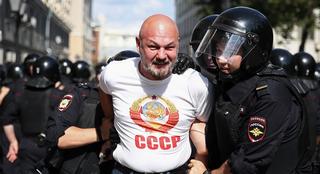
If the thirst for political change continues to gain momentum in Russia, a full-scale demand for political freedoms and alternatives may emerge quite soon.
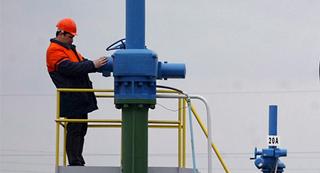
Belarus’s resolution to become less dependent on Russian oil has nothing to do with its economy. Minsk is making a political statement with the aim of depriving Moscow of one of its main bargaining chips in their relationship.
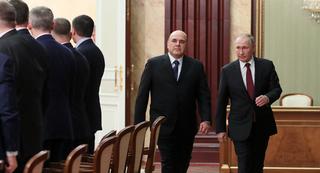
Russia’s new cabinet ministers are young, efficient, nonconfrontational, adaptable, and don’t poke their noses into politics. They live in the digital world that is so difficult for the country’s aging leadership to understand. With time, the victim of this technocratic dominance may be that very same leadership.
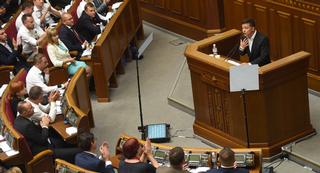
Faced with a fluctuating approval rating, President Zelensky is attempting to instill order in his party’s ranks. The voting machine that he built from his parliamentary majority is beginning to malfunction as deputies refuse to be mere cogs in that machine.
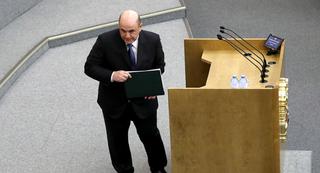
Mikhail Mishustin is replacing Dmitry Medvedev as prime minister of Russia after nearly a decade as director of the Federal Tax Service (FNS). Russians can expect a shift in emphasis from taxation to the allocation of funds as Mishustin draws on his management skills to make government spending as orderly and transparent as taxation became under his leadership.
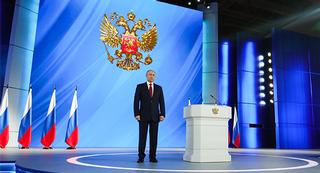
Putin’s proposed amendments to various roles amount to something resembling an insurance policy, which suggests that the president has already decided who his successor will be, though he may not name that person for another three years.

The Russian president may never leave the political stage—but he's now ready to take a step back.