Carnegie Moscow Center


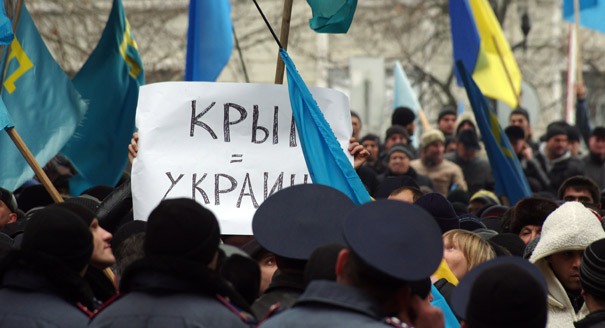
Crimea is the most serious potential conflict in postrevolutionary Ukraine. The crisis could lead to a hot war in Ukraine and dramatically increase tensions between Russia and the West—no effort should be spared to avert this scenario.
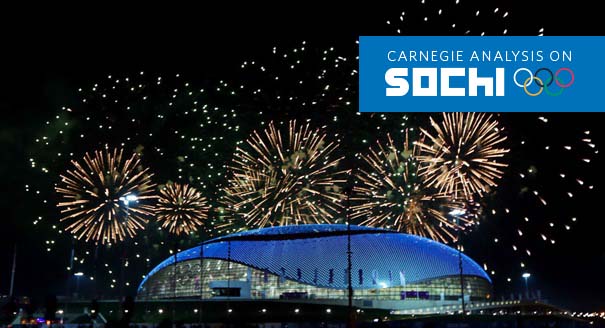
Although Russia has failed to get at the Winter Olympics the one prize it particularly coveted, the ice hockey title, it managed to win a far more important victory—in ensuring that the Games, the athletes, and spectators were safe. However, making Russia safer remains a challenge.
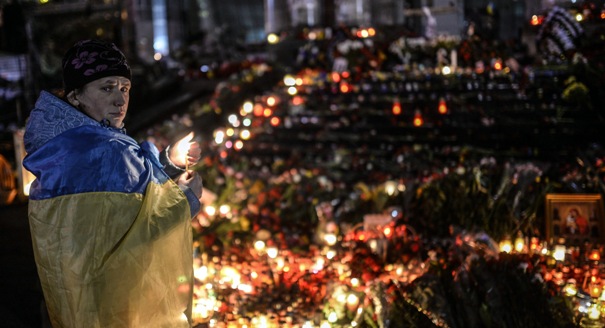
Ukraine’s “February revolution” is sometimes described as a major blow to Russia and to President Vladimir Putin, personally. In fact, it may be a blessing in disguise for both.
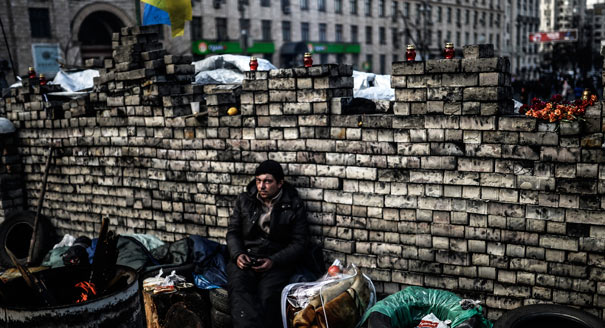
Russia has far less influence in Ukraine than is commonly appreciated. Moscow’s best option is to stand back and wait, while quietly favoring decentralization in Ukraine.
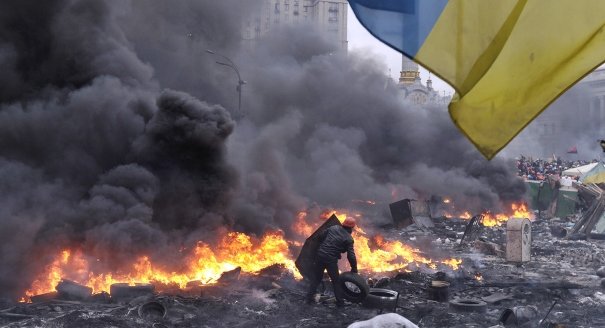
As Ukraine is teetering on the brink of a civil war, the West and Russia have found themselves on the brink of new confrontation. Instead, they should cooperate on Ukraine and push the Ukrainian sides toward stopping violence.
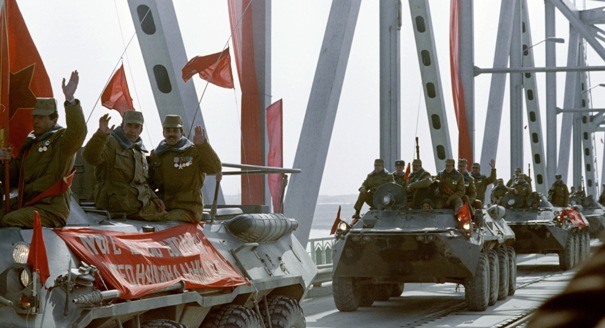
Twenty-five years after the Soviet pullout from Afghanistan, the Russians watch the U.S.-led coalition withdraws from this country and worry about regional stability, security, and drugs production and trade. To deal effectively with these concerns, Russia should focus not so much on Afghanistan as on its Central Asian neighbors.
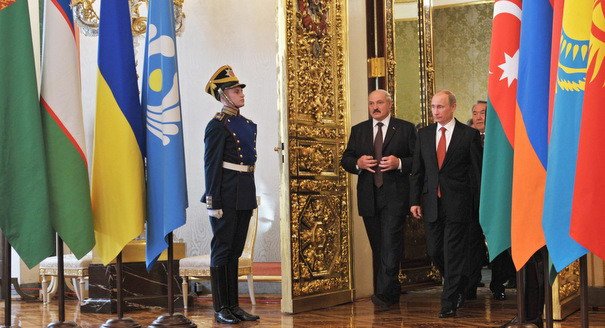
Russia’s Eurasian Union project aims at integrating much of ex-Soviet Eurasia into an economic, political, and security unit. Before that can happen, however, Russia needs to better manage what it already has.
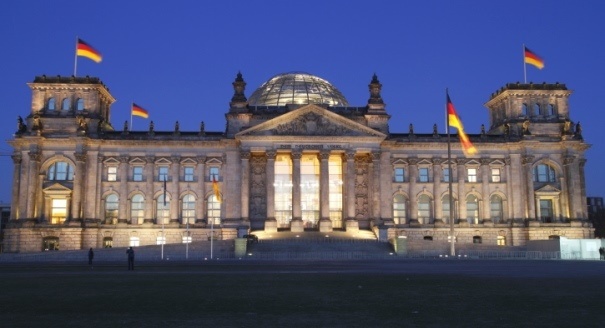
German leaders have begun to talk of a more assertive role for Berlin in the world. Other global players should seize the chance to work closely with the new Germany.
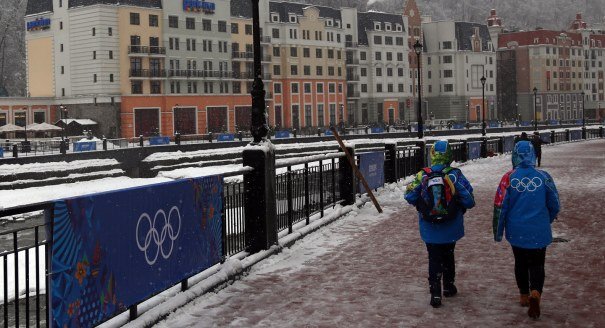
The Sochi Olympics expose the rift between Moscow and the West. At the same time, they highlight Russia’s pivot to Asia and Eurasia.
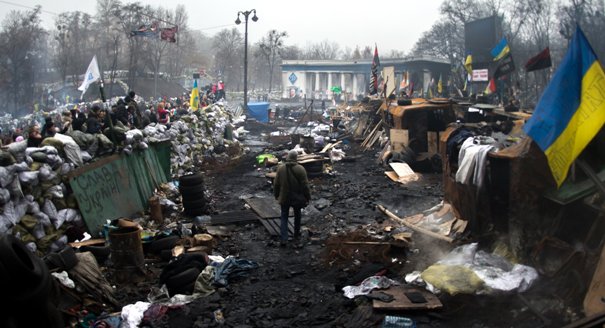
To keep Ukraine in one piece, and at peace with itself, the Ukrainians evidently need to reform their political system. The West and Russia should help the Ukrainian parties reach an agreement on the parameters of a federal parliamentary republic.