Carnegie Moscow Center


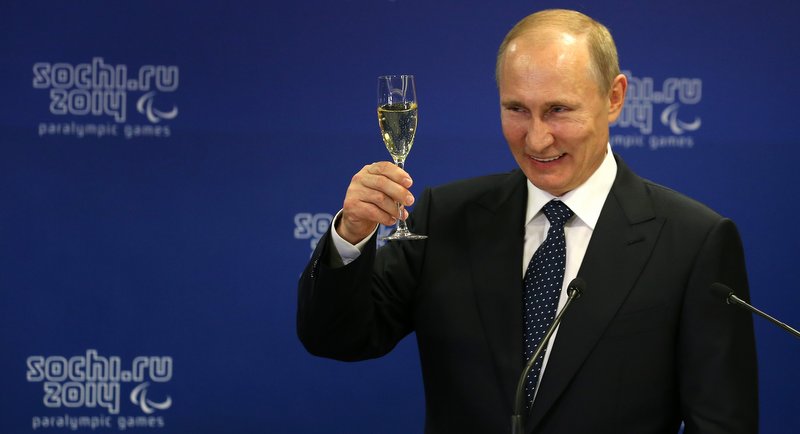
The ban on Russia taking part in the 2018 Winter Olympics is a gift to Russian President Vladimir Putin. For Putin, this is perfect fuel for the besieged fortress concept, which is one of the mainstays of his personal legitimacy and popularity.
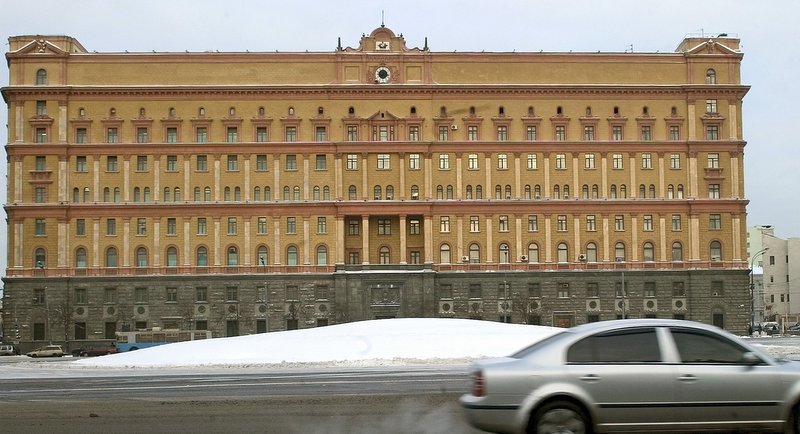
By refusing to open the archives of the interrogation of Raoul Wallenberg, the Russian intelligence service is proving that it aspires to be the heir of Stalin’s NKVD.
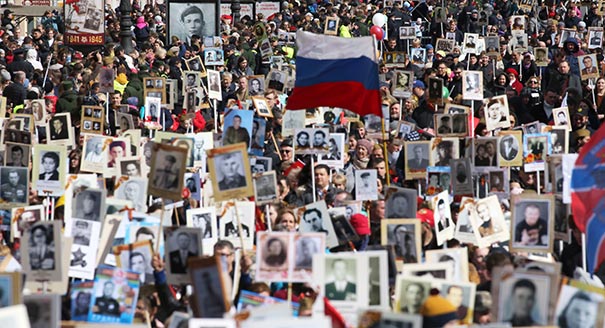
How does the Russian state manipulate history in its relations with society? Whom do Russians consider heroes, and what are the most sensitive historical topics in modern Russia? Andrei Kolesnikov explains how and why history is politicized in Russia today, and why this trend is unlikely to change.
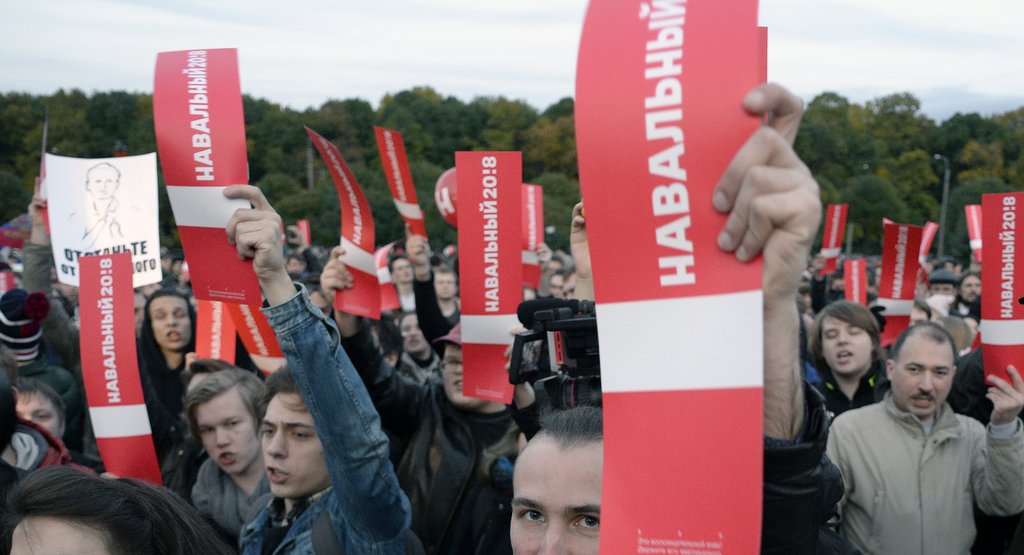
Time is on Navalny’s side. If he doesn’t commit a blunder that disenchants potential voters, and if the authorities don’t take the brute force approach of locking him away for a number of years, he could emerge as a key opposition figure between 2018 and 2024.
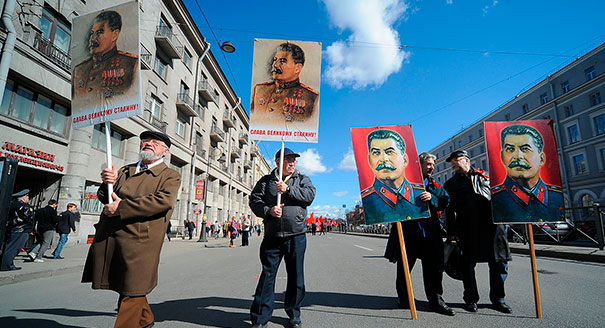
In recent years, the Russian government has formulated a policy on the country’s history that aims to consolidate the nation around a single official version of the past. However, because this single version of official collective memory is not acceptable to all citizens, this policy is causing divisions in Russian society.
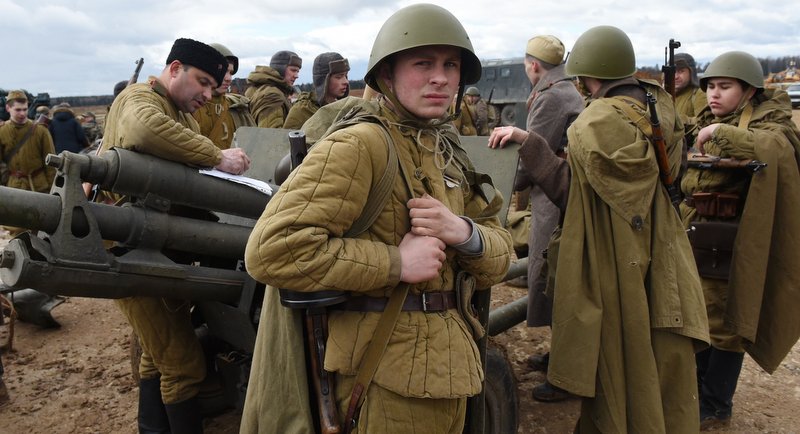
The increased frequency in Russia of military ceremonies and parades removes the need to reflect on the real history of the Great Patriotic War against Germany. Nowadays, even the anniversary of the German invasion of June 22, 1941, no longer presents an opportunity to commemorate and mourn.
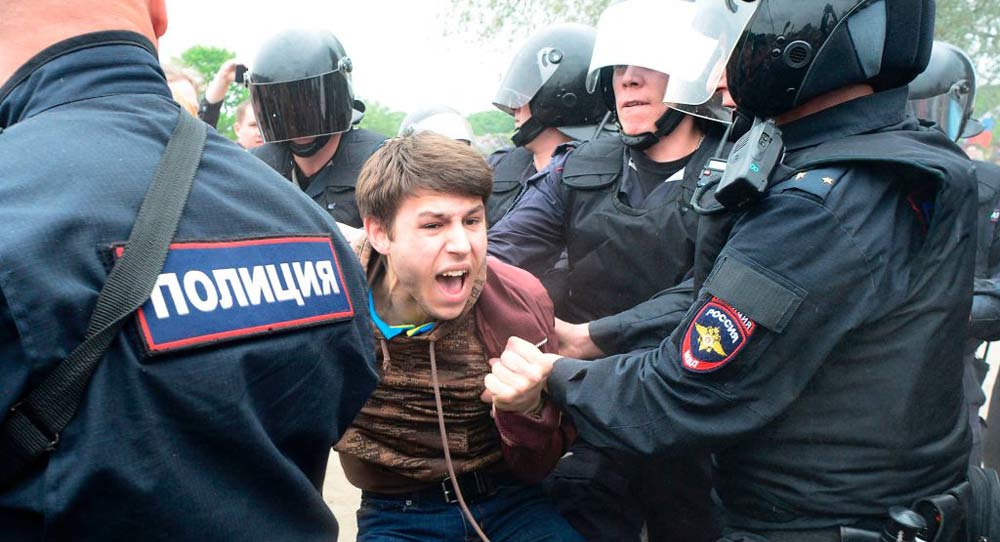
The problem for the regime in Moscow is that today’s revolution is taking place not in the streets of Russia but in the minds of its citizens.
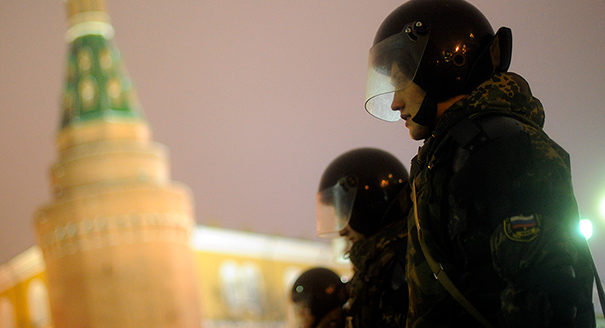
In the absence of a real political contest, Russia’s 2018 presidential election will be more or less a referendum on public confidence in Putin.
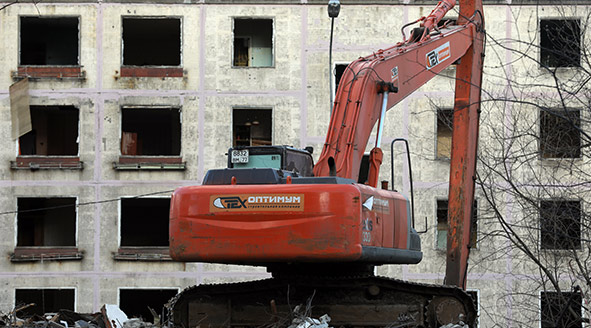
Moscow, with its 13 million residents, is Russia’s most progressive city. But its citizens are not homogenous and cohesive. But after the authorities began intruding on their private space, Muscovites started to unite. They are no longer a resource supporting the political regime. The movement to defend private property rights just might give birth to a sense of civic pride.
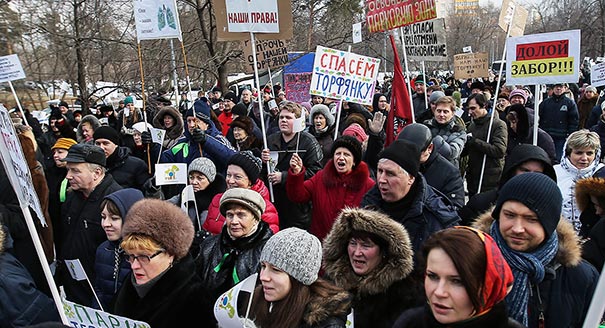
A localized civil society movement in Moscow is pushing for the government to curb unfair urban development practices and give residents greater autonomy over their own neighborhoods.