Carnegie Moscow Center

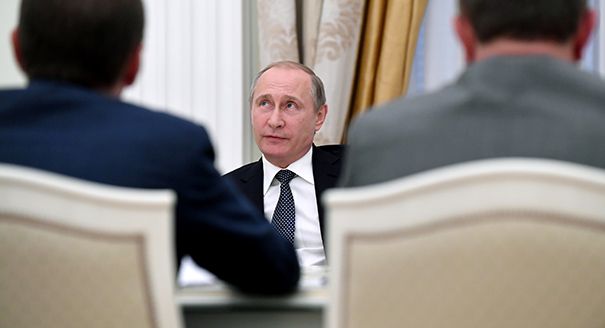
The presidency is the only institution in Russia today that has not been hollowed out, so it is the president who will make all major political decisions. Everyone else is just a liaison officer.
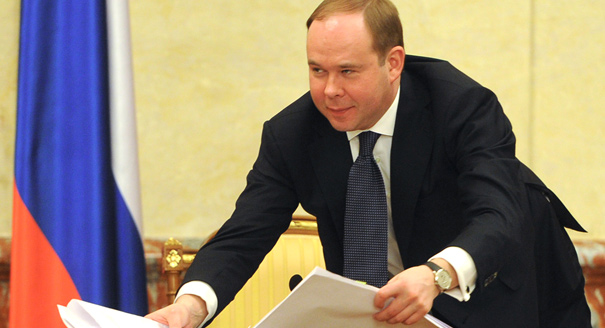
Putin won’t take all the members of the old guard with him in 2018. They will be replaced by a generation of special service operatives, security guards, and technocrat-apparatchiks in their forties and fifties, who will stand by Putin in 2018 and beyond
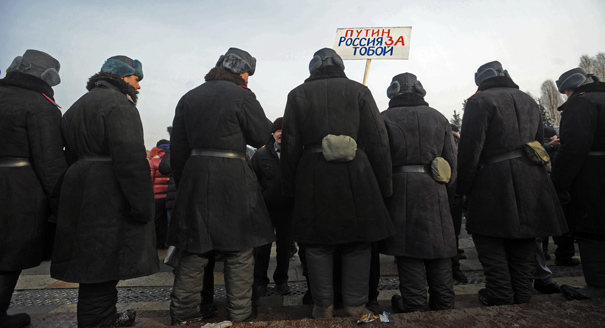
Putin drew several conclusions from the mass protests of. They convinced him that the mandate he received from “the people,” is much more important than the views of the small and overly outspoken segment of progressive citizens.
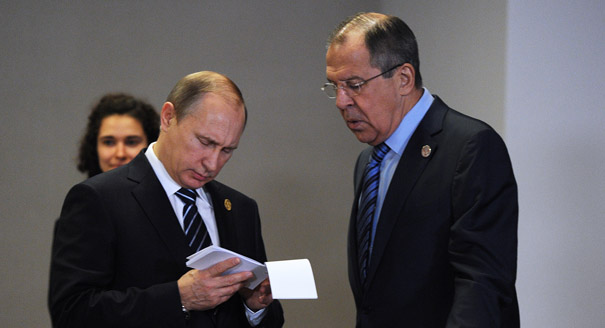
Even if Putin didn’t know about the cyber initiative, what‘s truly important is that he is seen as omnipotent by the media and the politicians in the West. Perhaps the blame is undeserved, and Putin’s power is once again being overstated. But that’s the price you pay for creating a political system where everything hinges on the whims of one man.
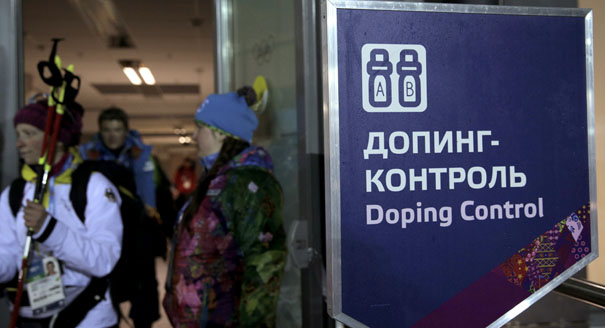
Russia’s doping scandal has shown how sports mirror politics when they become matters of national importance. Like the regime, Russian sports are now mired in fraud, deception, hysterical patriotism, and oversensitivity.

Although Russian officials were initially shocked and concerned about the military coup in Turkey, it has in fact given them a formula for strengthening their gradually declining regime: all they have to do to restore their vanishing legitimacy is declare themselves defenders of democracy.
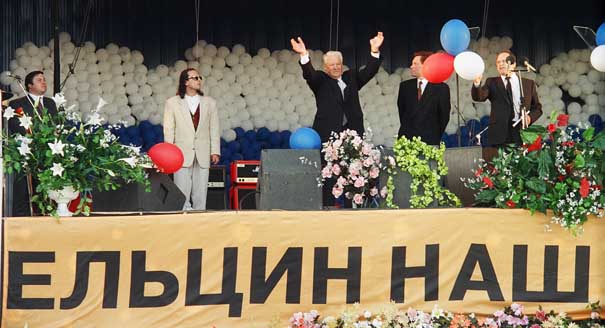
Boris Yeltsin’s reelection in 1996, hailed as a triumph of democracy, now looks like a Pyrrhic victory. The means by which the process was manipulated set a precedent for the Putin era.
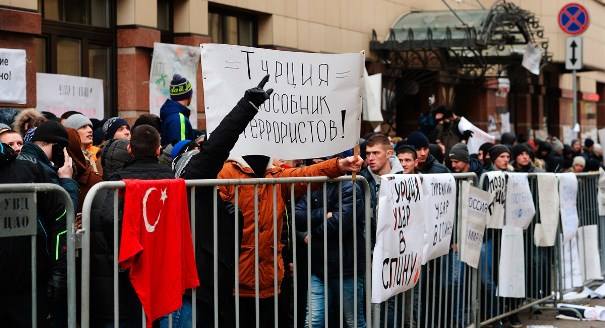
War and terrorism have become increasingly routine facts of life in Russia. Since 2014, this reality has become an essential tool for stimulating popular support for Russian President Vladimir Putin.
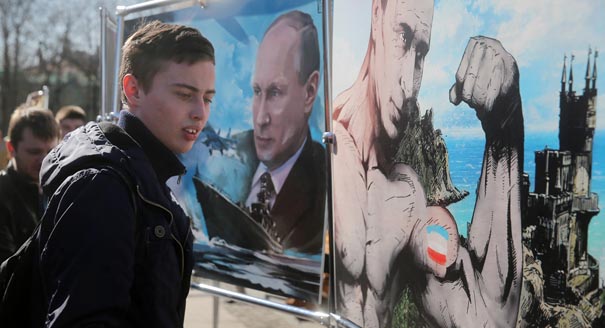
In the absence of open political competition, Putin has built a system of checks and balances within the elite. This system keeps Russia’s elites from pushing for change, as it precludes the possibility of anti-Putin intrigue.
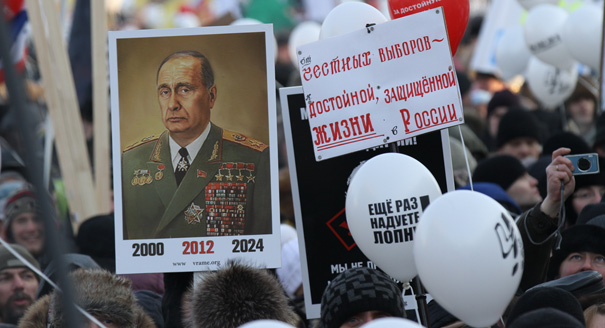
Some Russian experts are predicting that the current Russian regime will last another ten years. Change is inevitable, but no one can forecast what form it will take. In the short term, the trend is for inertia and no change.