Carnegie Moscow Center


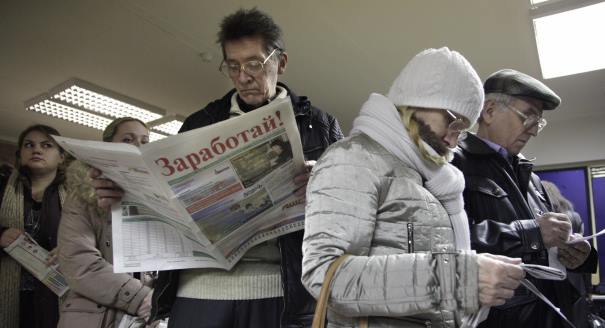
Russian consumers are increasingly unhappy, but their discontent is being frozen in depression rather than manifested in social protest.
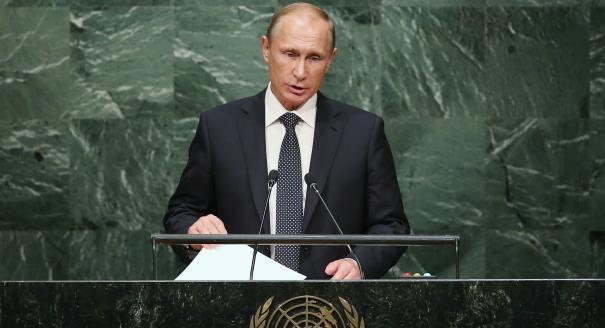
Putin is laying claim to the legacy of the 1945 Yalta conference. But Russia's attempts to rewrite history to justify its current policies are not working.
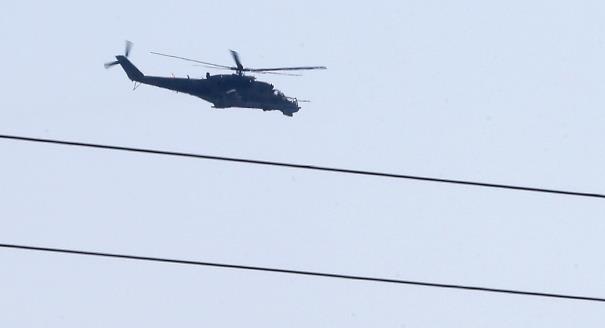
Russia’s involvement in Syria helps Vladimir Putin distract Russians from their country’s economic woes. However, Russian power seems to lack any long-term vision.
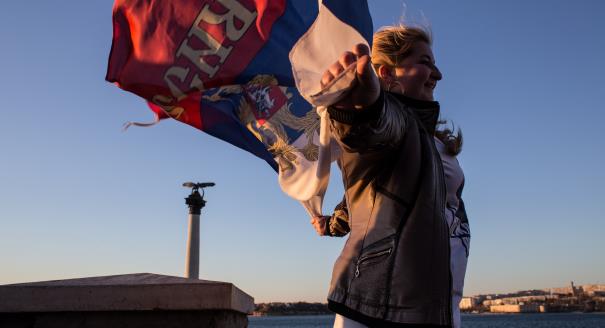
A new Ukrainian campaign to blockade Crimea is a gift for the Kremlin as it tries to distract the public’s attention away from the major challenges facing the peninsula and the questionable actions being undertaken by the Russian government against its population.
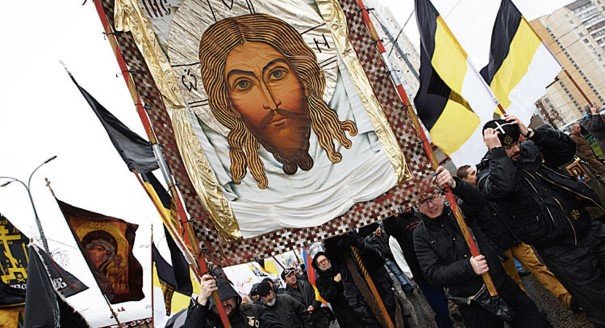
Following the annexation of Crimea in March 2014, the Russian public has embraced an increasingly conservative and nationalistic ideology.
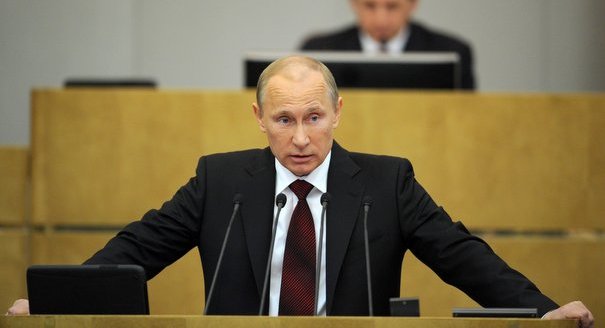
As the Russian economy declines, Vladimir Putin faces a classic choice between greater freedom and more repression
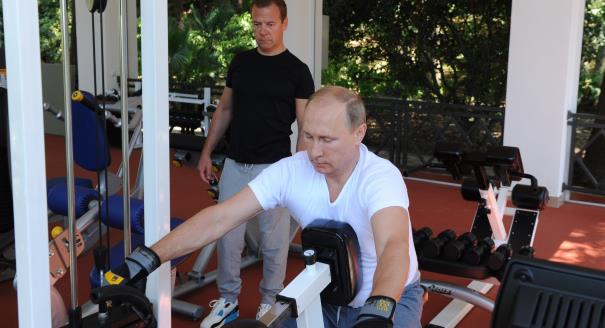
Russia’s political elites and, particularly, its president have no strategic vision of the future and no adequate assessment of reality. The authorities are seeking to prolong the inertia model until the presidential elections in 2018, but afterwards the Kremlin will need strategic decisions.
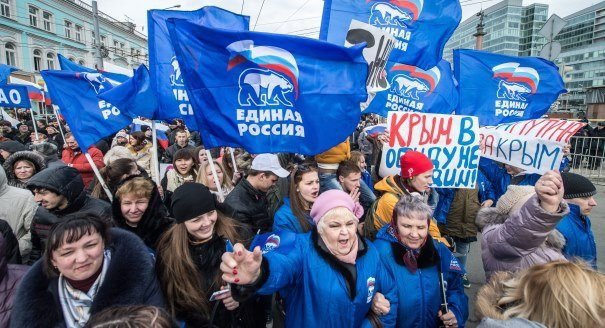
While the Kremlin continues to score plenty of tactical victories in the political sphere, the regime has demonstrated no ability to think strategically. The lack of strategic thinking stems from the elites’ desire to preserve their own power and the whims of an authoritarian political system.
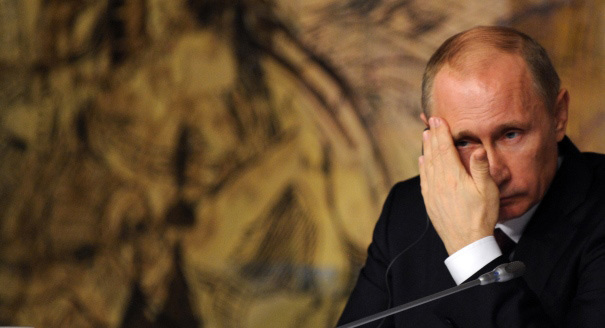
Putin’s recent theatrics indicate a plan to run for re-election in 2018. But despite his lack of opponents, Russia’s current problems make the path to re-election more complicated this time around.
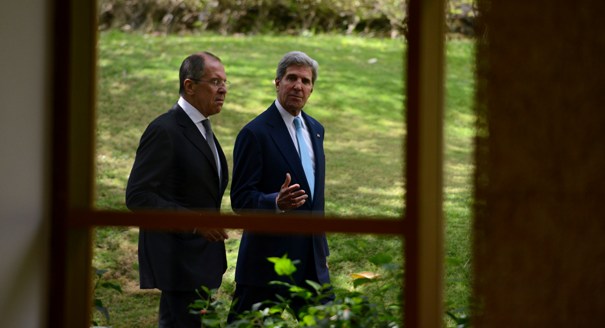
The Iran nuclear deal and the restoration of diplomatic relations between the United States and Cuba are victories achieved through informal or semi-informal diplomacy. As for the Russian-American relations, this diplomacy successfully worked even during the Cold War—but not now.