Carnegie Moscow Center


Russia’s unpredictability means there is a lack of clarity on the direction the country will take after 2018. Is NATO membership really crucial for Finland and Sweden in the long term if Russia follows the best-case scenario, or even if it enters a state of inertia?
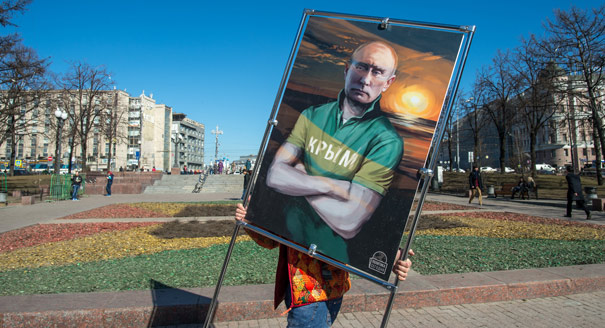
The system, its leader, and the popular majority formed after Crimea will survive the 2018 presidential election. The existing regime is incapable of democratization. At the same time, it is dangerous to ratchet up repression. The government is trying to encourage inertia, but this is becoming increasingly difficult after Crimea, Donbas, Syria, and Turkey. Aggression is self-perpetuating.
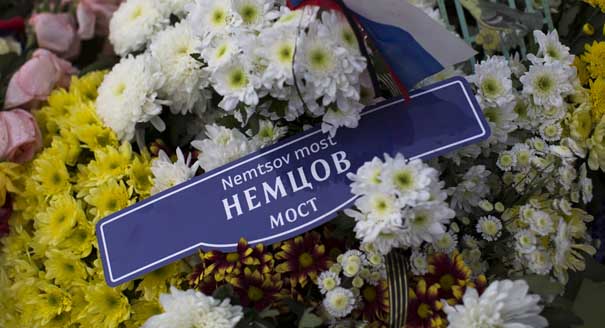
The assassination one year ago of the man who was once Russia’s brightest liberal hope did not, as many wished, change the course of the country’s politics. But it did mark a moment of irreversible change for the country’s liberal minority.
Serious economic reforms cannot be implemented unless Russia’s political atmosphere and institutions grow more supportive of individual freedom.
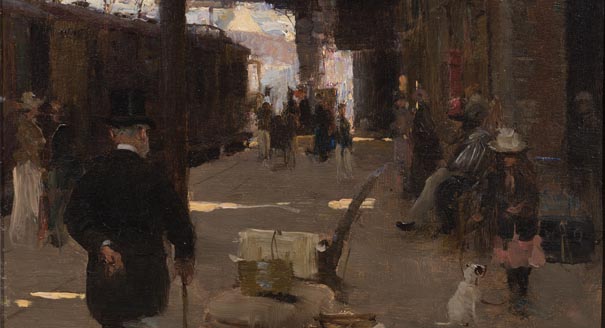
The Russian system is in a crisis whose outcome is uncertain. But social protest is unlikely to deliver change. Change is more likely to come about through modernization from above.
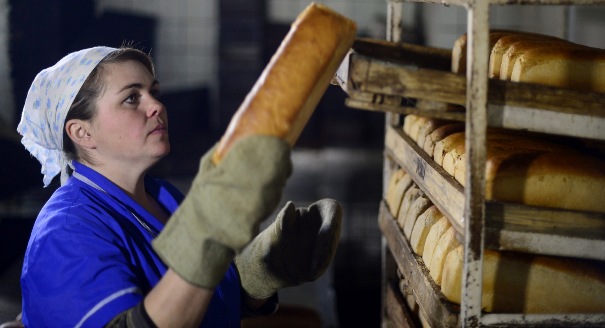
Russians are tightening their belts and forgoing luxuries to cope with the new economic crisis. But they are conditioned to avoid protest. The government has little to fear, but the result is systemic poverty and economic stagnation.
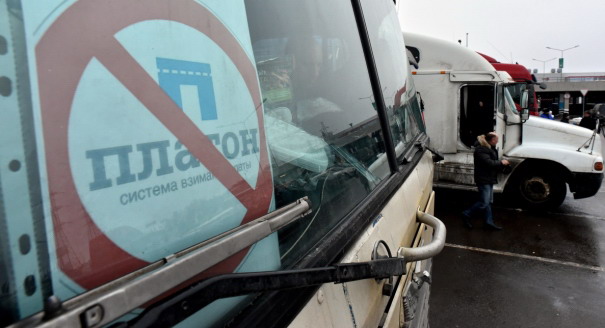
Truck drivers have staged the biggest anti-government protest in Russia since 2012. But the logic of their discontent is one they are so far unprepared to accept: that the whole political system is at fault.
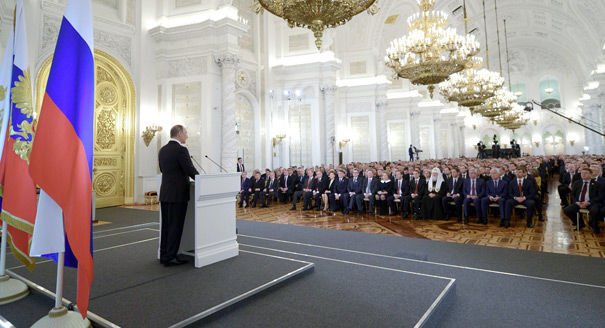
President Putin’s annual national addresses are short of ideas, but serve the purpose of sending signals to the Russian elite. This year, Putin underlined the idea of Russia as a nation under siege.
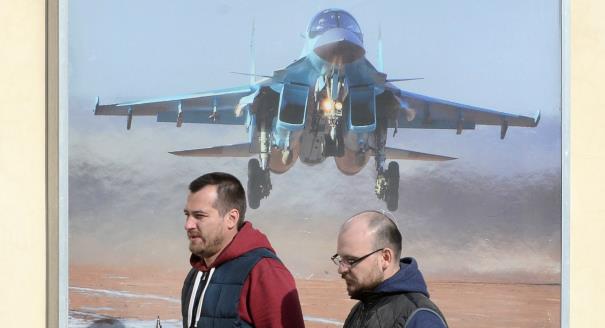
The Kremlin needs the constant narrative of a war in which it plays a righteous role to maintain public loyalty
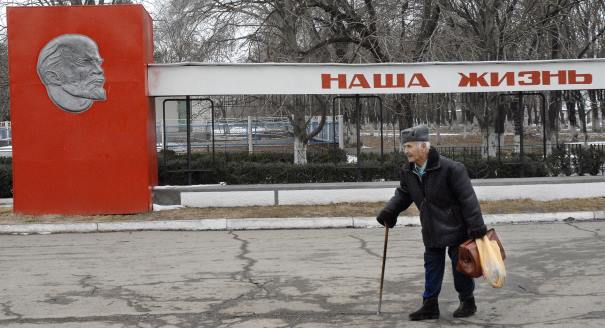
Russians’ life expectancy and quality of life remain extremely low by Western standards. If the state actually had working institutions, it would have dramatically increased its investments in human capital, education, and health care. Instead, the state prefers to invest in protecting its only institution: “the besieged fortress.”