Carnegie Moscow Center

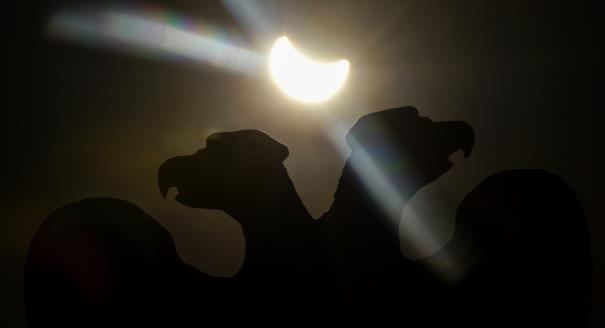
Under totalitarian regimes, the state is the only force that shapes the condition of society. Vladimir Putin may not be there yet, but he certainly is moving in that direction.
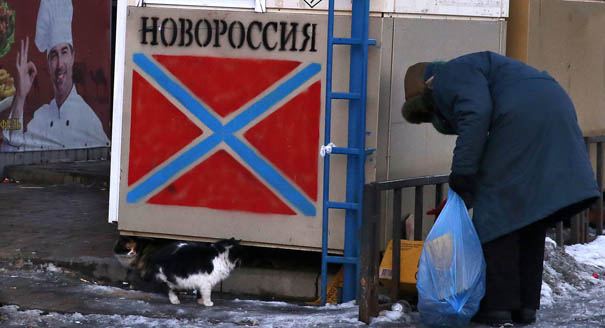
Putin has realized that the expansionist project overextended itself; it is now too dangerous to continue beating the war drum. Or perhaps the Russian president simply lost interest in Novorossiya. He has a different game to play now—that of Russia’s “pivot to the East.”
Non-government organizations have become “undesirable” in Russia, along with Russian experts and specialists. In fact, they are not undesirable for Russia, which actually needs them very badly, but undesirable for the current regime.
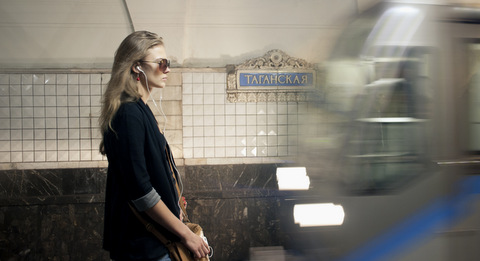
In a system that requires participation, mere nonparticipation comes across as a sign of foreign political culture to the regime. Even more so, it is a form of resistance.
In order to keep the ranks closed and to sustain the Stockholm syndrome of the fortress’s defenders there must be constant discoveries of “a fifth column” and “national traitors.” That’s the only sense in which Russian authorities need liberals.
Russia’s current president is not planning on staying at the helm forever, since he is not ready to raise the retirement age. His inaction will destroy Russia’s economy, at the very latest by 2030.
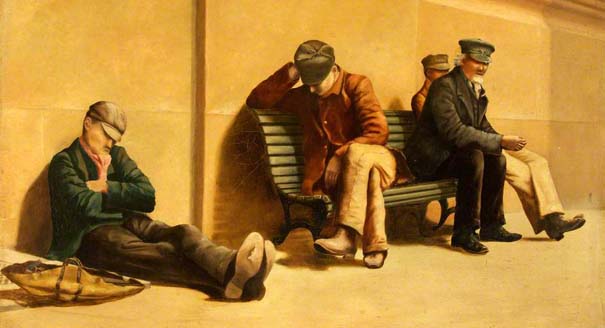
There is little reason to believe that the Russian middle class will react to the ongoing financial and economic crisis with protests or renewed calls for change. Instead, it seems almost certain that it will opt for strategies of survival and perseverance.
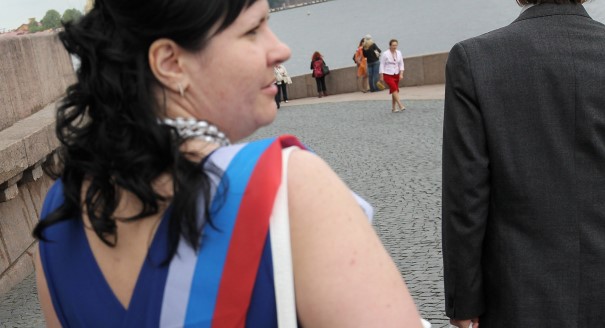
The Western approach to Russia is predicated on the supposition that continued pressure on the country will cause Vladimir Putin’s regime to make concessions or even crumble. However, this is far from the truth.
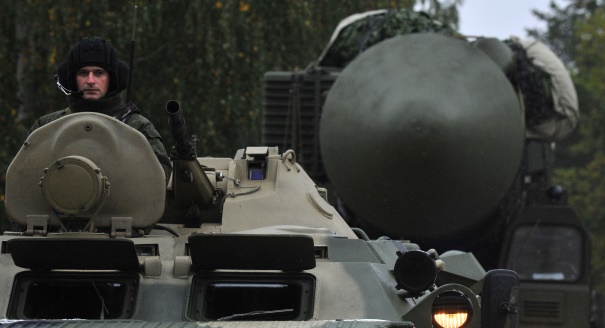
Putin stated that the Russian leadership was ready to use nuclear forces in the days of the Crimean annexation, bringing back the old threat of nuclear war.
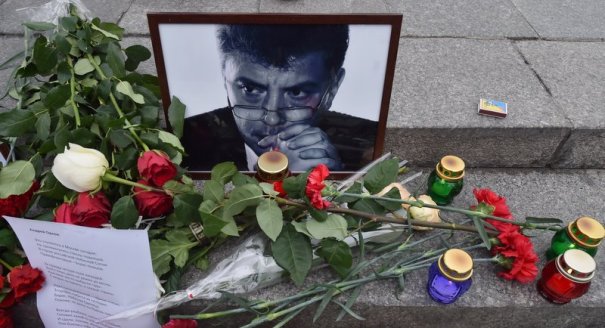
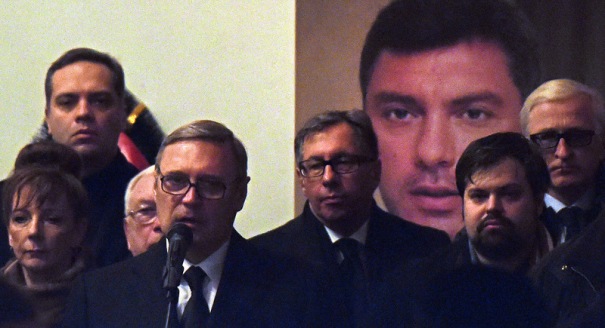
Russians who support democratic views are in a state of despair after Boris Nemtsov’s murder. No one is likely to be able to replace Nemtsov.