Carnegie Moscow Center


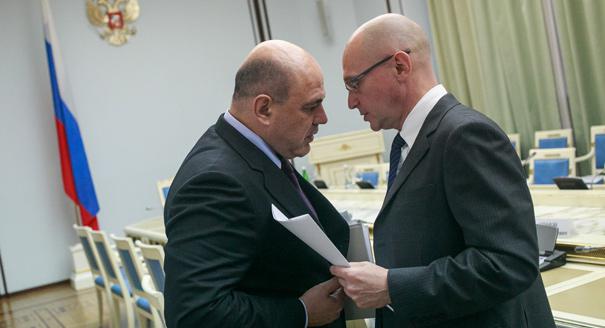
The latest EU sanctions against Russia send a clear signal: it’s not enough for individuals to have liberal ideas and reformist intentions; those ideas and intentions must be noticeable in the actions of the Russian state.
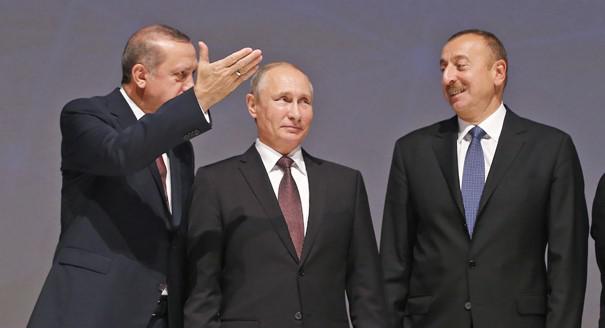
Russia may have reasons to help its ally Armenia, but it has no reason at all to punish Azerbaijan, which has been an example of model behavior among the former Soviet states, as far as Russia is concerned.

Putin’s spokesman’s vitriolic attack on opposition politician Alexei Navalny—calling him a CIA puppet and accusing him of insulting the president—is a continuation of attempts to marginalize Navalny amid his post-poisoning prominence.
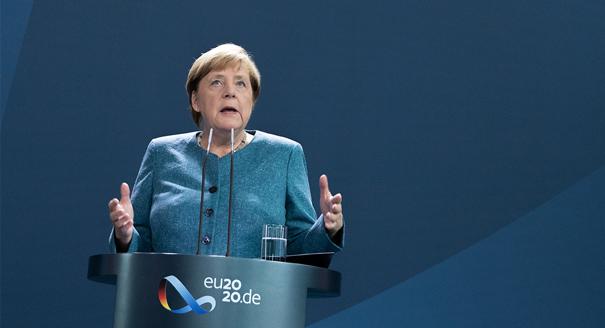
Far from a purely internal or external affair, Alexei Navalny’s poisoning has shaken Russia’s domestic politics as well as its foreign relations. Although it is closer to its beginning than its end, the affair sheds light on the degradation of authoritarianism in Russia, the dynamic between Moscow and an embattled Alexander Lukashenko, and the difficult relations between Russia and the West, especially Germany.
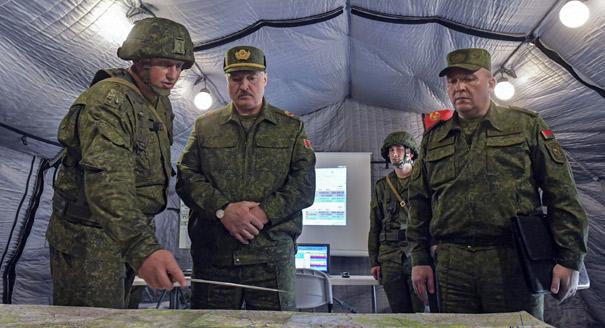
Any internal political activity is becoming conclusively geopoliticized. Elections in Belarus or Russia, for example, are not an expression of feedback between the public and the government, but an act of defensive foreign policy.
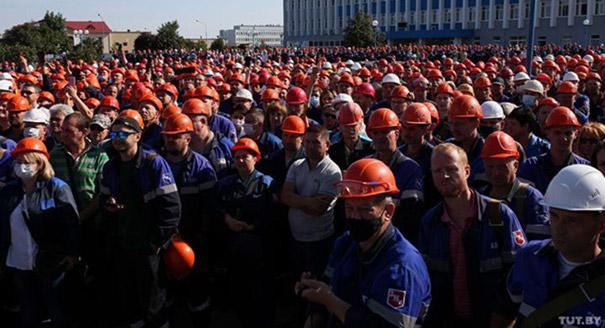
The impending collapse of the Belarusian regime and whatever comes next reveal a lot more than events in Ukraine did about possible political transformation in Russia.
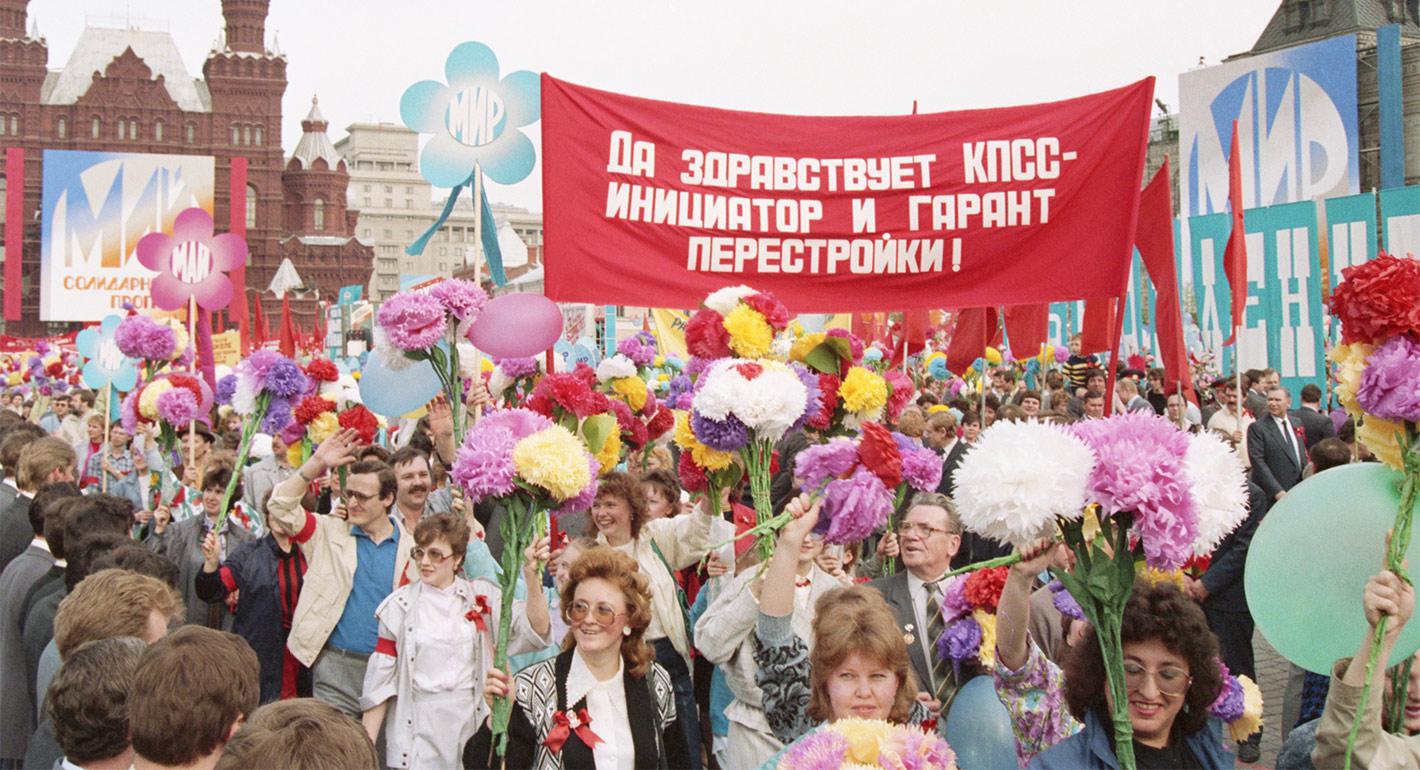
To build his regime, Putin manipulated his predecessors’ crumbling institutions and the country’s economic system. Now, Putin must become his own successor—or let someone else pull his own trick on him.

The Serebrennikov case reveals a split within the Russian elite, and Putin’s refusal to back one side or the other. One part of it wants to re-Sovietize culture and punish artists who do not fit with their conservative agenda, while others continue to value artistic freedom.

Telegram, launched in 2013, has long bothered the government not just because of its sophisticated encryption technique, but also because it quickly became an important platform of political discussion.
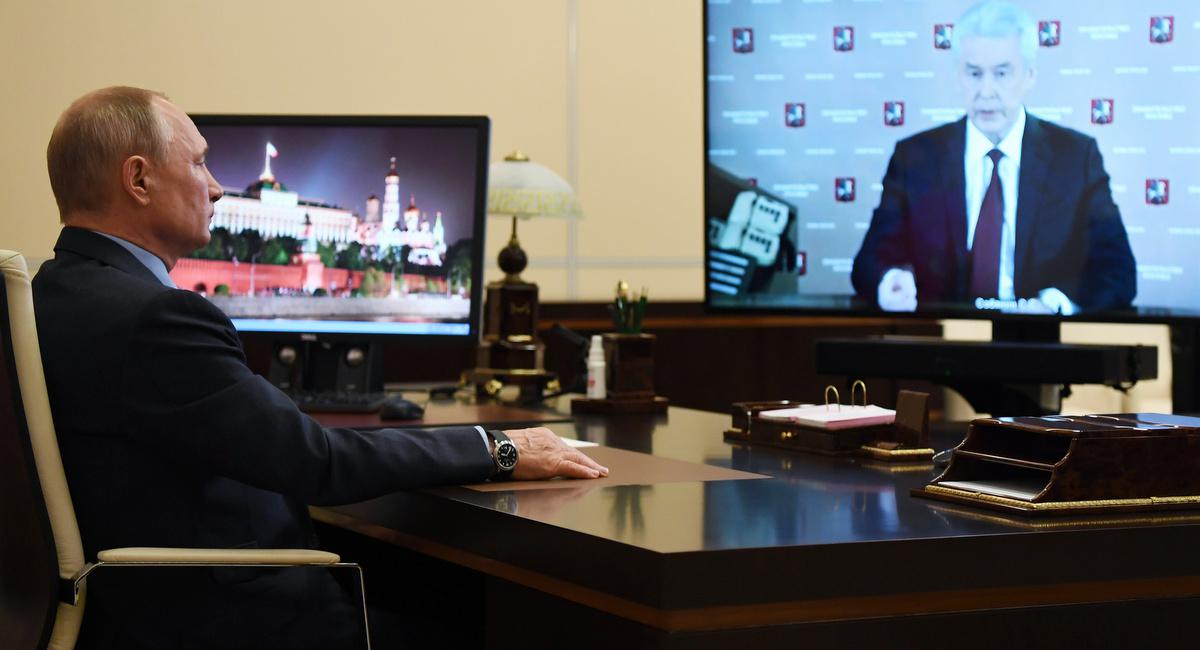
Putin has chosen the local governors to play the bad guys responsible for the health-care failures and personal constraints. For himself he has chosen the role of benefactor, bestowing gifts in the form of nonworking days and financial assistance.