Carnegie Moscow Center

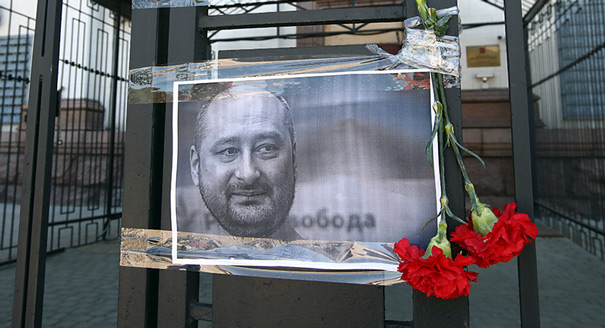
As the world debates the danger of manipulating public opinion through fake news, Ukraine has created a false narrative of global significance. Blurring the borders of truth is unlikely to help Ukraine in the long run. But the country’s desire for a spectacular victory over its enemy outweighed other concerns.
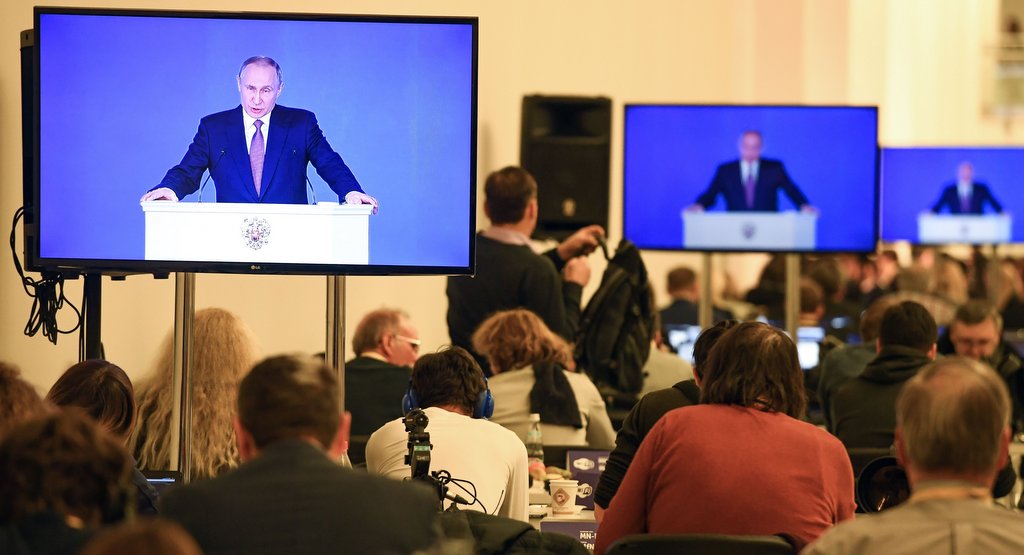
Putin’s goal is now neither to recreate the USSR, nor to become part of the West. Rather, the ambition is to build an economic and technological “West” inside Russia, while continuing an aggressive posture towards the West on the outside.
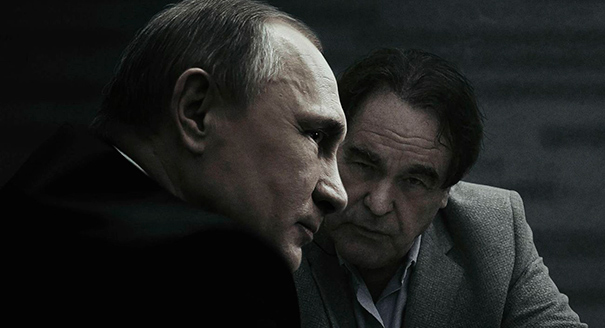
As it aspires to join the elite world club of equal sovereigns, Russia cannot but notice an important fact that no such club actually exists. The simple reason is that the club’s membership is conditioned on mutual transparency and permeability of sovereignties and correlation of sovereign actions with the values understood as the red lines in what one says and does.
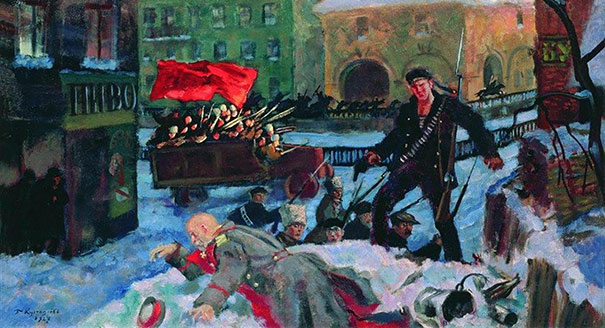
In Russia, there is no particularly tense strife between supporters and opponents of the hundred-year-old revolution. But there is competition among the ruling political establishment and the oppositional intelligentsia on the topic of political repression. The regime is fighting back against the opposition’s monopoly on the right to represent the victims and name the state as the executioners’ successor.
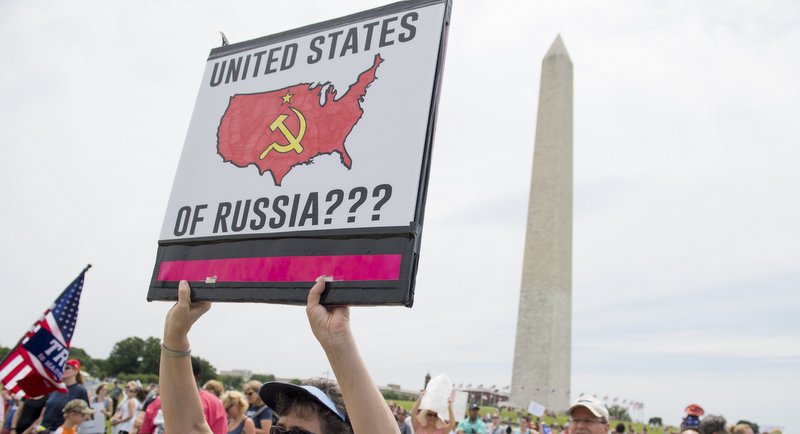
Russia’s interference in American and European elections constitutes a serious offense. But by treating Russian President Vladimir Putin and his cronies as an existential threat, Western leaders are playing directly into the Kremlin’s hands, and validating its false narrative about Russia’s place in the world.
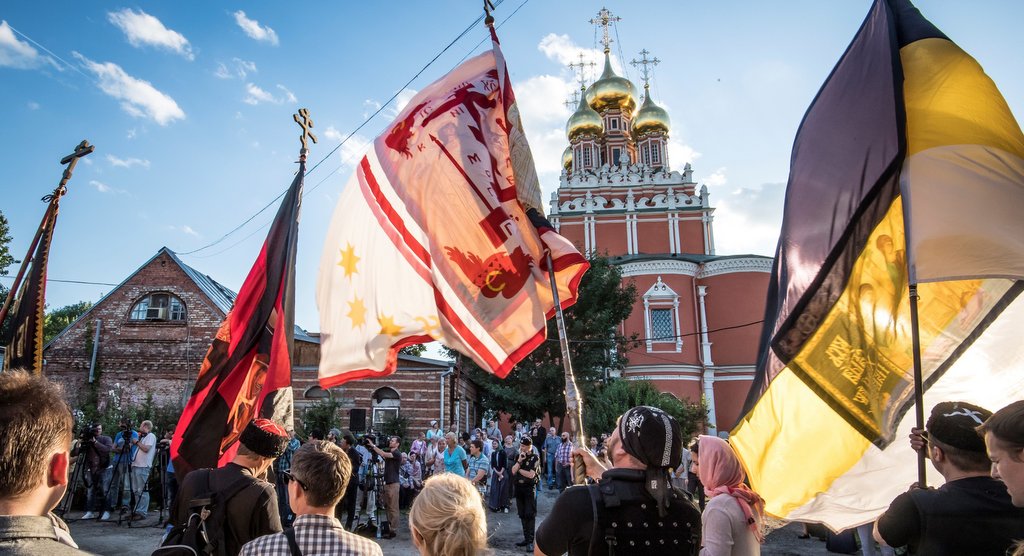
Supporters of a free Russia have long dreamed of a day when the Orthodox Church is separate from the state and when elected officials are unafraid to oppose Kremlin ministers. The latter is certainly happening, but among those who are taking advantage of this new freedom first are zealots who speak in a language of aggressive and intimidating conservatism.
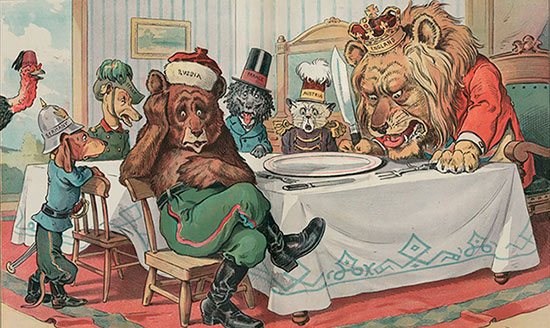
The latest U.S. sanctions on Moscow and the expulsion of U.S. diplomats from Russia are not only hurting relations with Russia but also causing divisions between Western politicians.
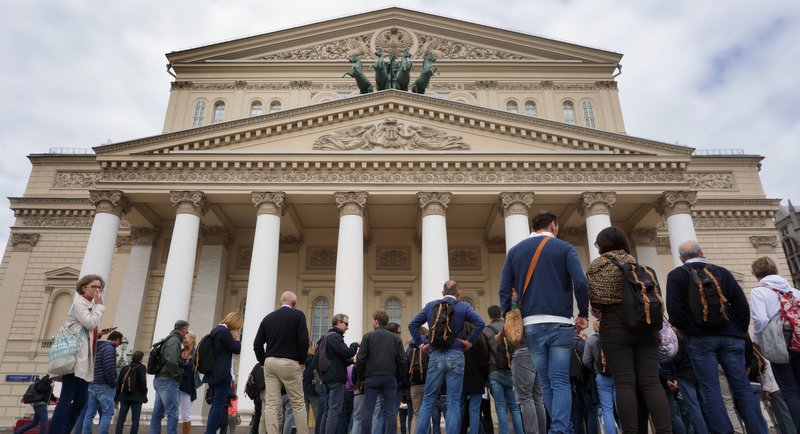
The cancellation of a controversial ballet at Russia’s premiere theater holds dark clues as to where the country could be headed after Putin.
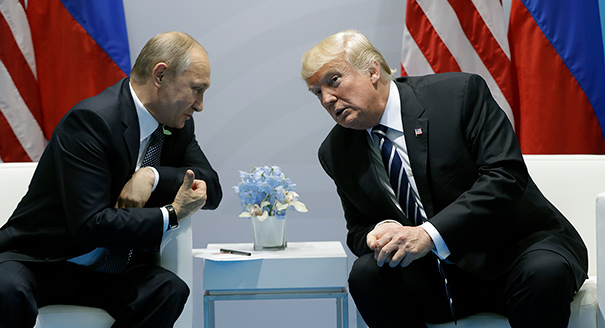
Expectations of the first meeting between presidents Putin and Trump were low, and the U.S. president stood to lose out however the encounter went. But any agreement to manage the risks in the relationship counts as an achievement.
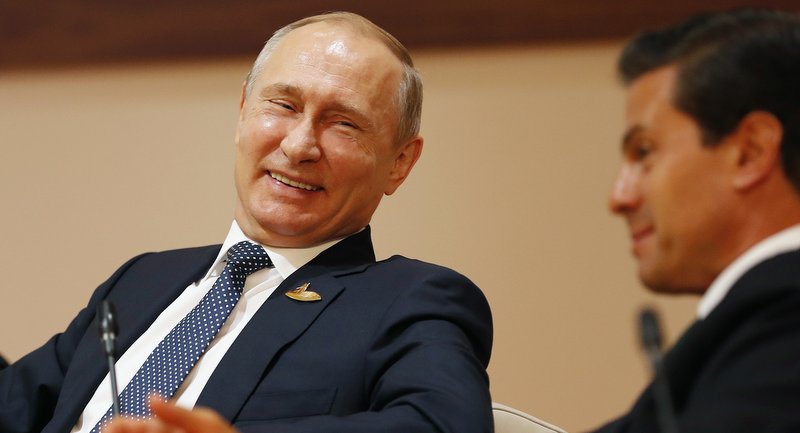
It appears that Putin is much less of a disruptor than Trump. He is committed to the status quo at home and would rather join the global establishment than destroy it. In that, he is closer to Clinton than to Trump.