Carnegie Moscow Center

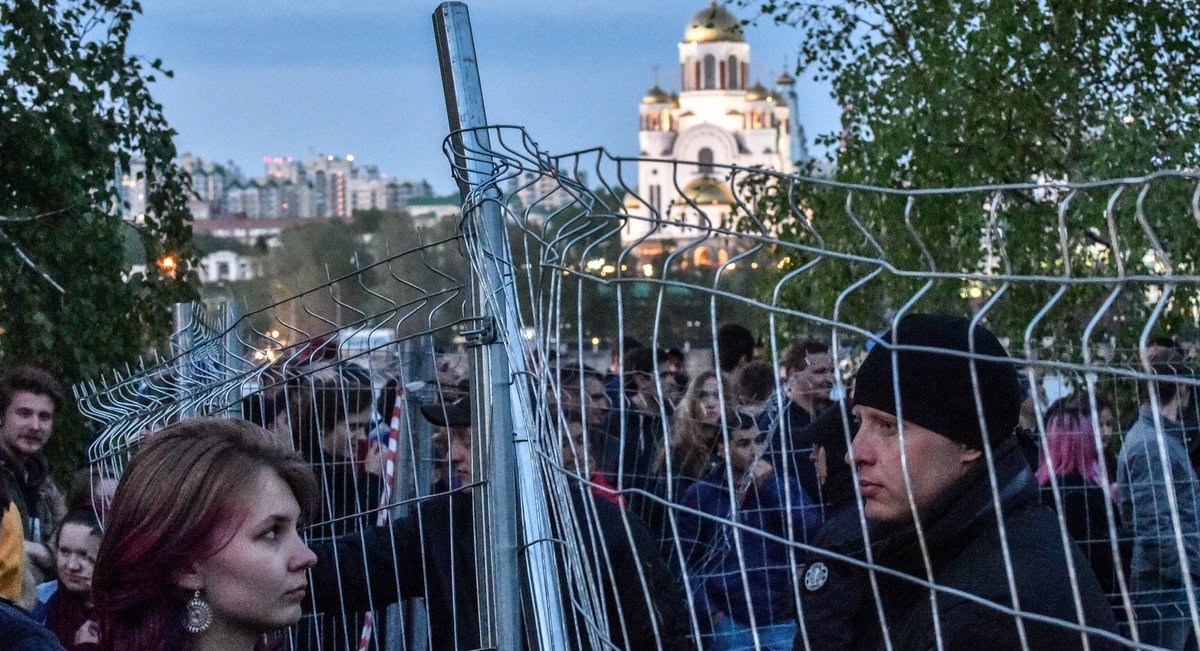
Orthodox Christianity—and Vladimir Putin—are at the center of the country’s newest culture war.
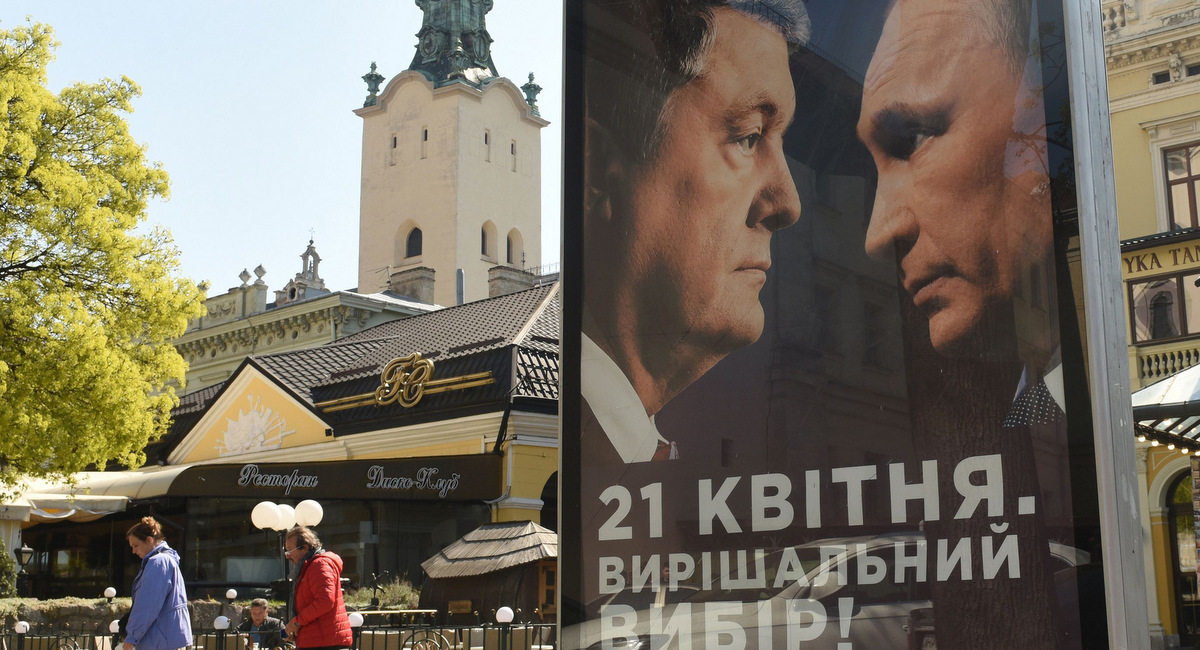
The Kremlin will soon wish it were still dealing with a Ukrainian president who so much resembled its own.
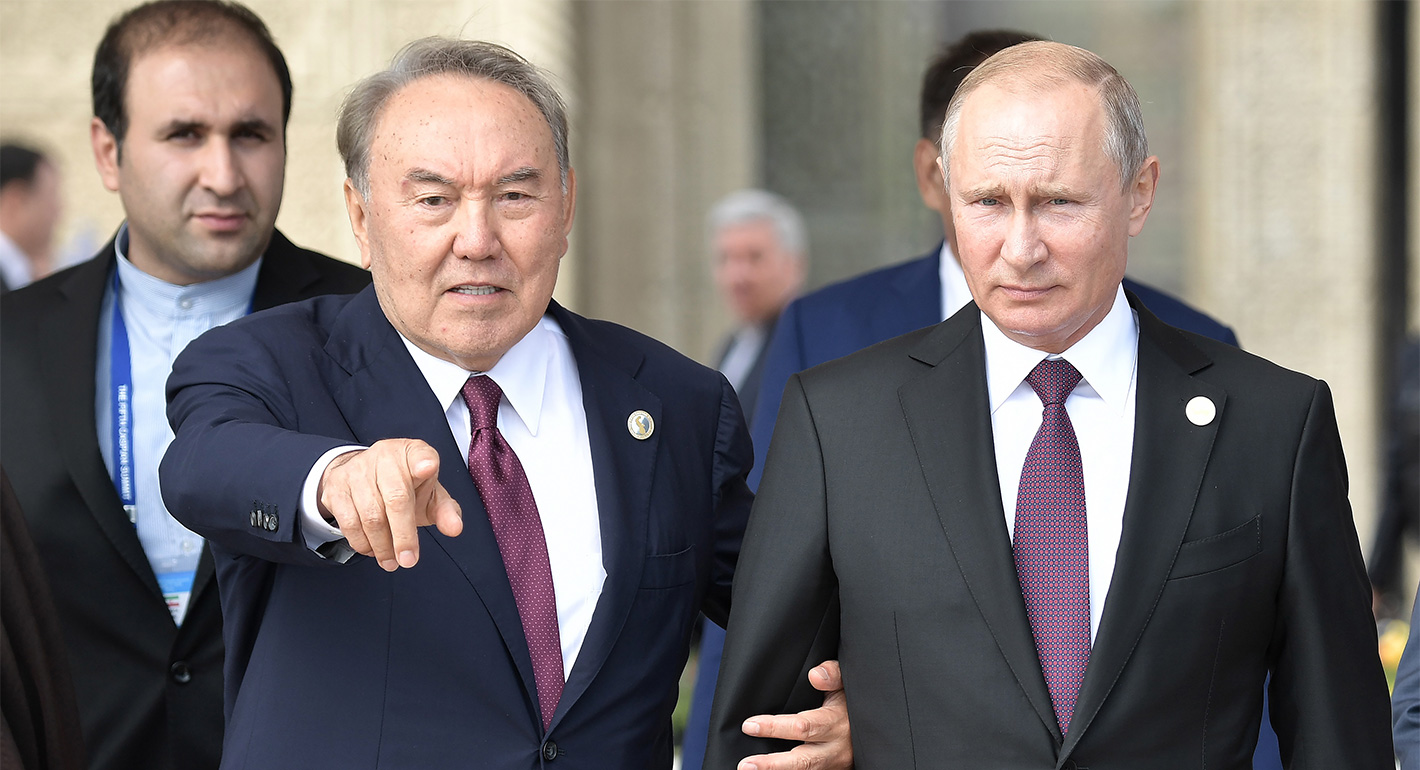
Over the next few years, the Kremlin will be able to observe what happens in practice when the informal authority of the nation’s leader and the post of president—the main instrument for creating that authority—are separated.
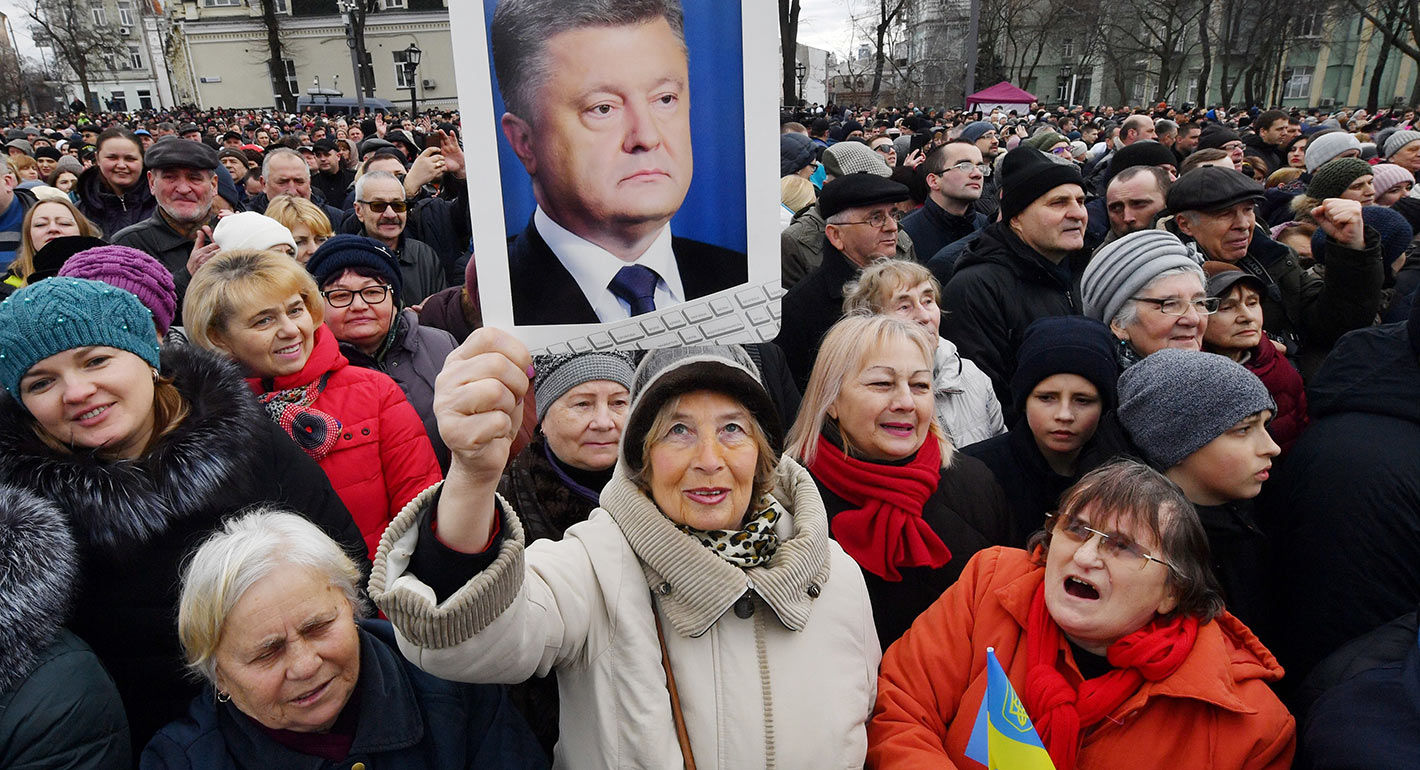
Ukraine votes for a president on March 31. Will the pro-Western incumbent, Petro Poroshenko, win? Or will he lose to his old foe, Yulia Tymoshenko, or wild card Volodymyr Zelenskiy?
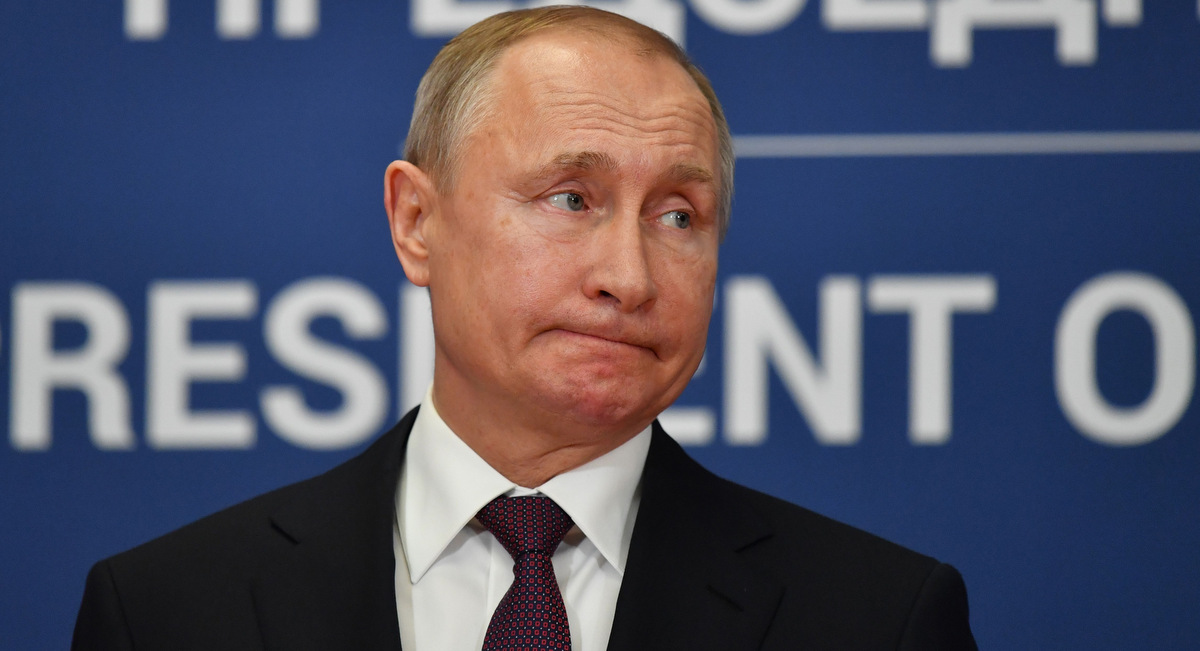
The Russian president was a man of the common people—until the common people started making demands.
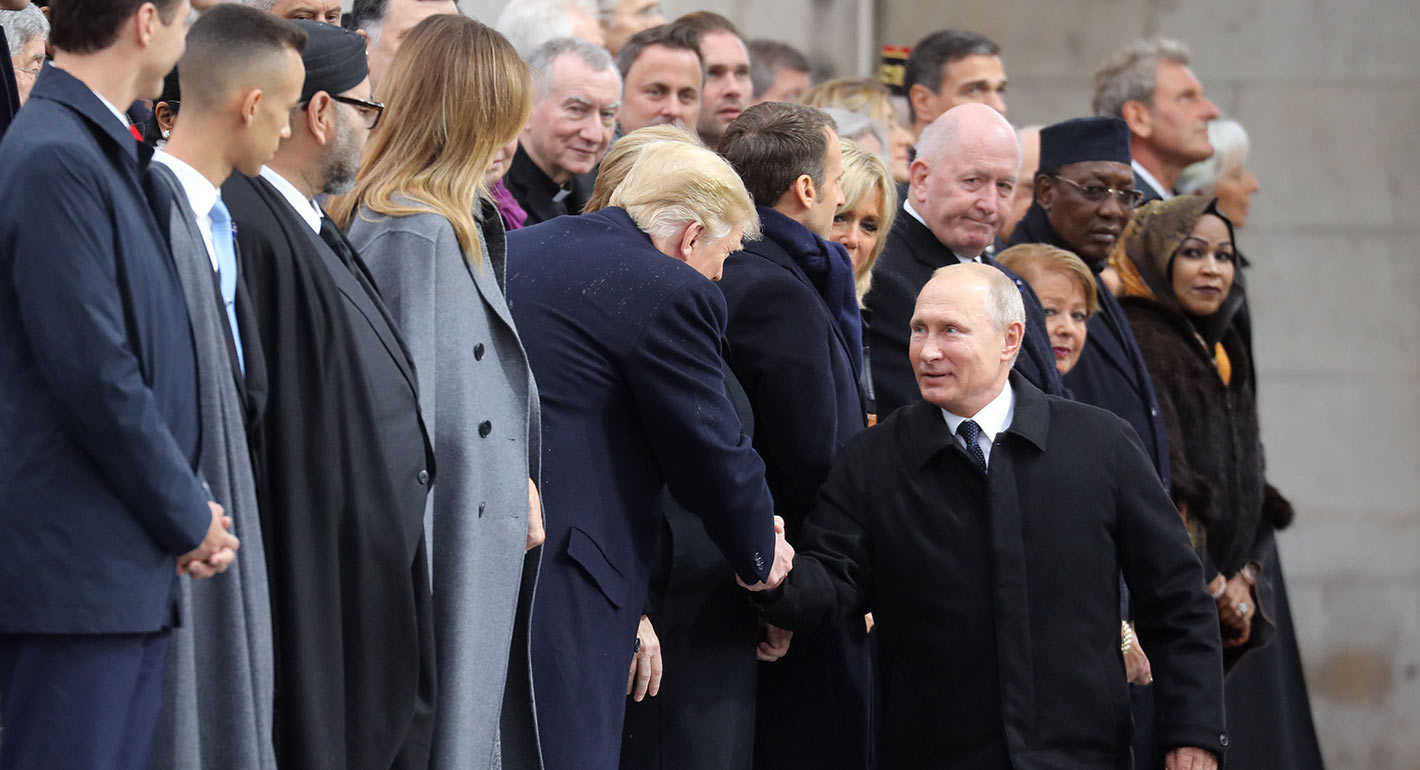
There will be many issues at play when the Russian and U.S. presidents meet at the G20 leaders’ summit in Buenos Aires. Our Russia experts provide insight into the Kremlin’s game plan.
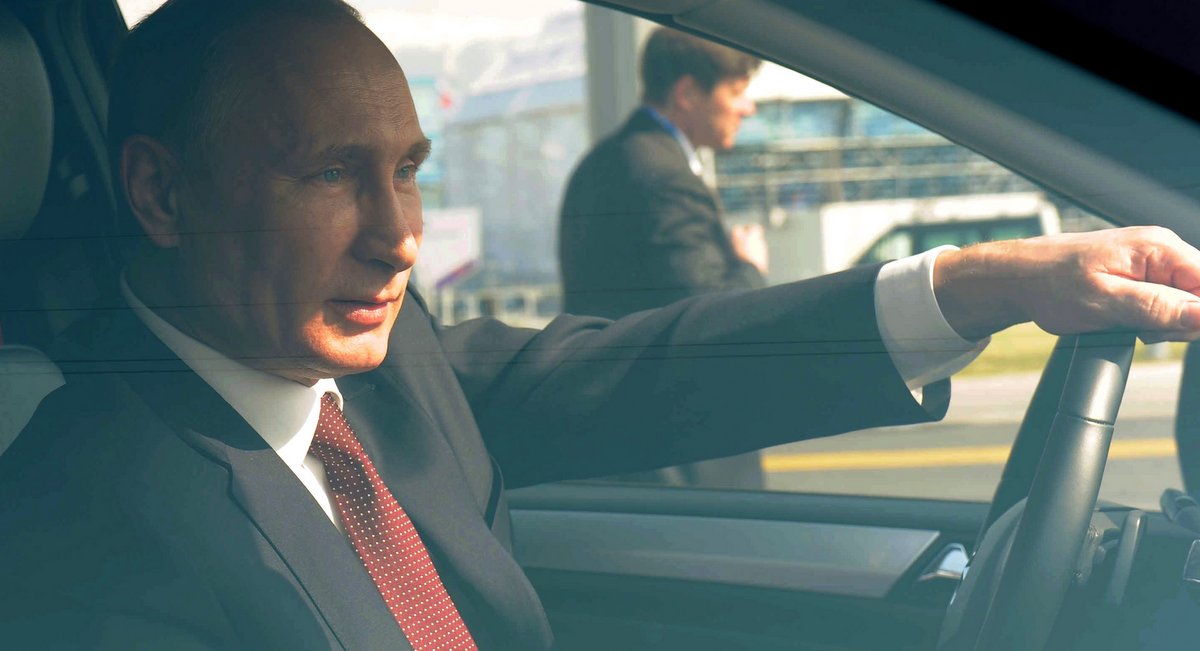
To understand what makes Putin and his allies act the way they do, you need to look beyond the myths.
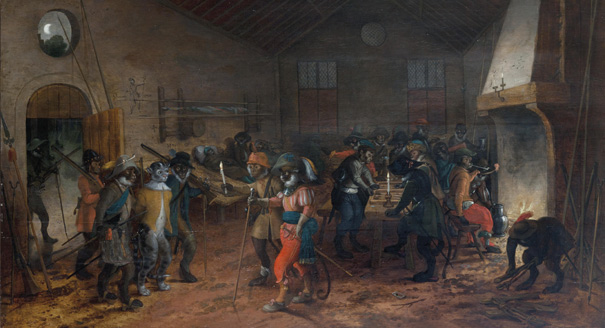
The Russian security services are not the elite body they were in Soviet times. They see themselves engaged in a struggle with their Western adversaries to fight off recruitment efforts, whatever the cost may be to Russia’s global image.
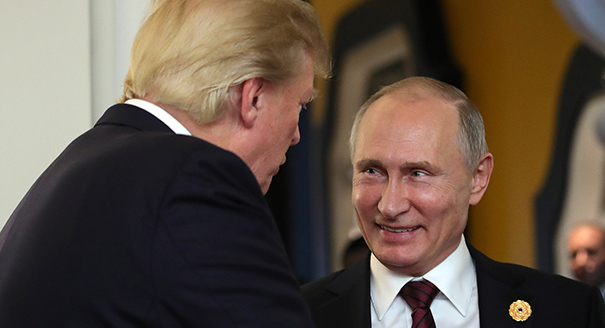
Any agreement that results in rapprochement with the West may provide some economic growth from sanctions relief, but it may also shift balance of power within the Russian political establishment from the powerful hawks to the system’s liberals.
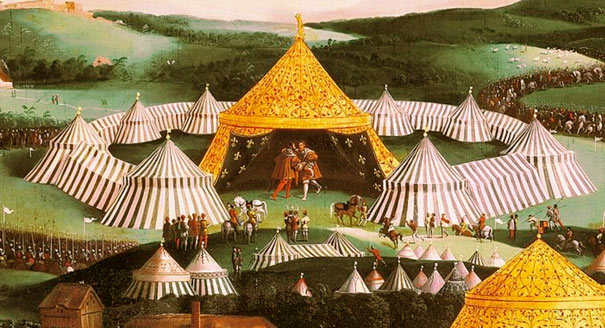
The Kremlin is seeking ways of de-escalating tensions with the West without making major concessions. It sees the isolationist unpredictable Trump as a partner in this endeavor.