Carnegie Moscow Center

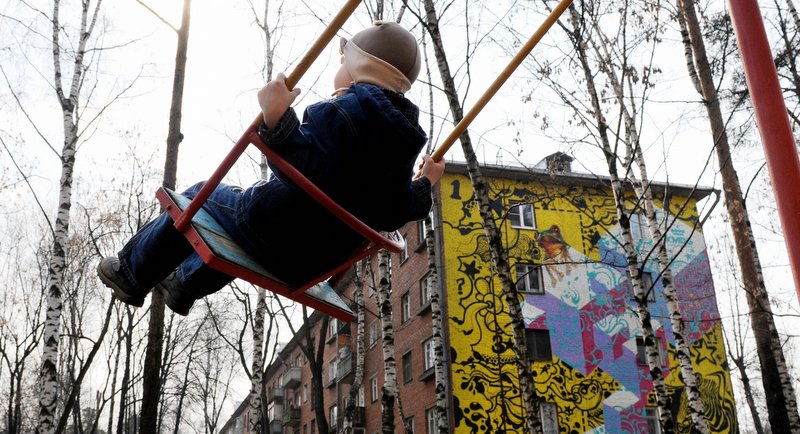
Twenty-five years after the end of the Soviet Union, Moscow is certainly ready to overcome its old Soviet image. That may have been on the authorities’ minds when they drew up the redevelopment plan. But the only way the authorities could think of redesigning the urban landscape was through Soviet tactics.
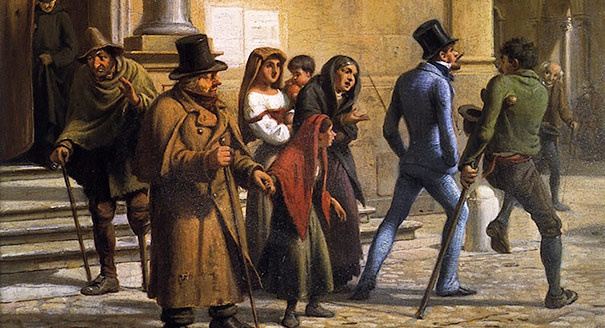
Even as Russia officially proclaims moral conservatism, the official tactic of nominating a wheelchair-bound singer for the Eurovision Song Contest suggests a different approach. A political gambit reflects a wider trend. Much of Russian society is becoming more tolerant of difference and more Europeanized than it has been for a century.
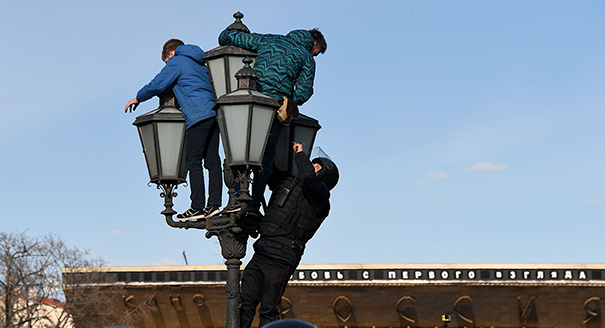
The recent mass anti-corruption protests called across Russia on March 26 pose an unexpected challenge to the Kremlin. The protesters are younger and less prosperous than their counterparts in. If Russia is on the brink of a new kind of revolution, then all sides need to act responsibly.
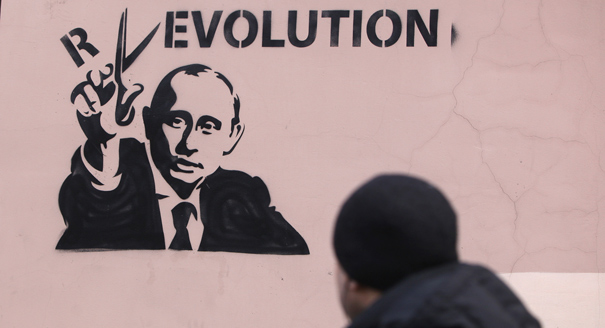
For most of Russian history, the country’s leaders have employed a top-down political system. When Crimea was annexed in 2014, the Kremlin temporarily allowed more decentralized patriotic activism to rally support, but they soon saw the potential risks and reverted to more centralized political control.
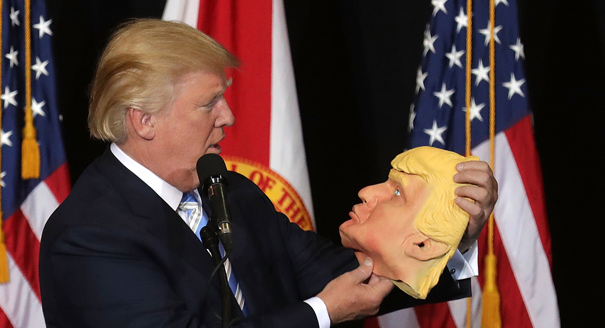
Russians’ high expectations of Donald Trump may be disappointed. Trump and Putin have a lot in common, and Trump’s victory has dashed the hopes of those Russians who believe in American democracy. But the new American president-elect’s unpredictable personality could also make for a stormy relationship.
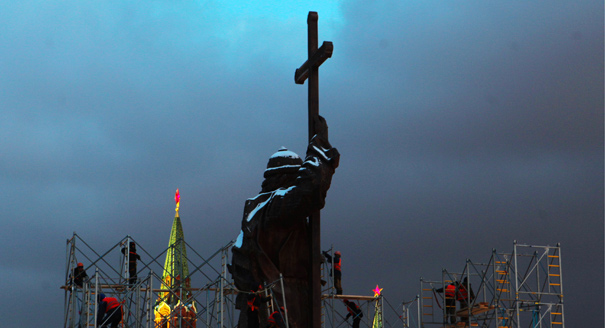
If Putin tried to use the figures of Stalin and Ivan the Terrible in the same way, he would be regarded as an impostor. That’s why he is far more comfortable with Vladimir the Great. Besides sharing a name, Putin, like Vladimir, who baptized Russia, believes he is saving Russia’s Orthodox soul.
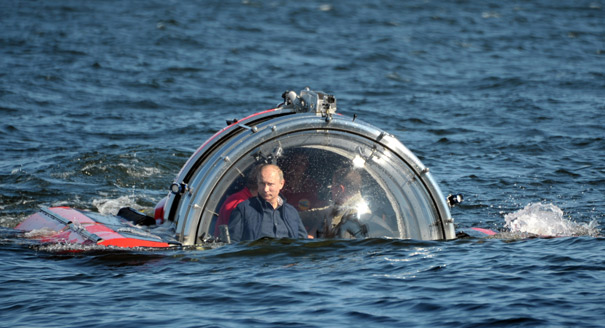
The Russian leadership has precipitated an even graver confrontation with the United States, abandoning its ambition for a diplomatic leadership role in Syria. The rupture looks like a preemptive strike by Russia in the context of the U.S. election campaign.
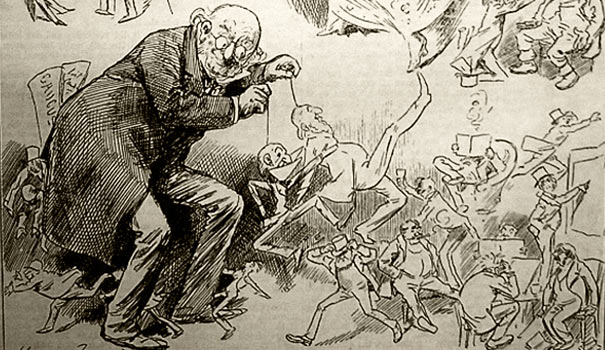
The Russian authorities delivered a resounding victory for the ruling party in the 2016 parliamentary election after reaching the conclusion that they showed weakness in 2011 and the Russian opposition exploited that. This will shape their strategy for the next presidential election in 2018.

The look of Russia’s parliamentary election was different, even if the results were the same. Russia’s ruling regime is trying to preserve its legitimacy by being more flexible and more respectable. This system may eventually contain the seeds of its own transformation.
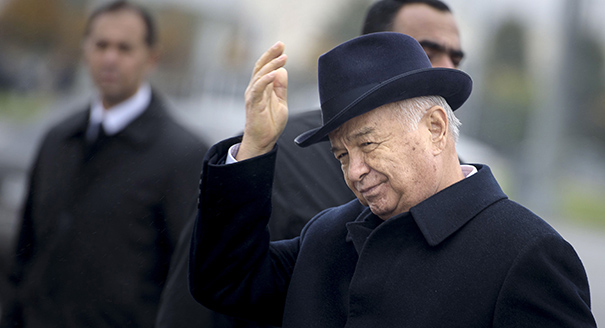
Change is coming to the regimes of Central Asia, with Uzbekistan only the first state to experience a succession crisis. The departure of a long-standing leader can result in regime consolidation, but a struggle for power can also lead to a period of glasnost and democratization.