Carnegie Moscow Center


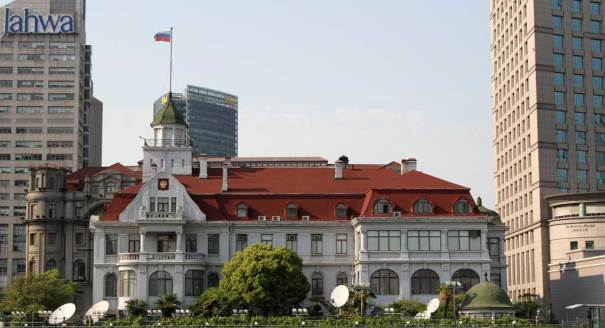
Russia is reacting to the rise of Asia by shifting its attention eastward—from the Ural Mountains to the Amur River. Moscow must learn to act like a Euro-Pacific power.

As Russia and Japan are carefully embarking on a fresh attempt to fully normalize their relations, closer and more regular contacts in the foreign and security field, including military exercises, may be useful as confidence-building.

Now that Saakashvili is finally history, the chances that Russia will soon take an active interest in Georgia are going up. This would concern the settlement of the main issue in Georgian-Russian relations—the status of Abkhazia and South Ossetia.
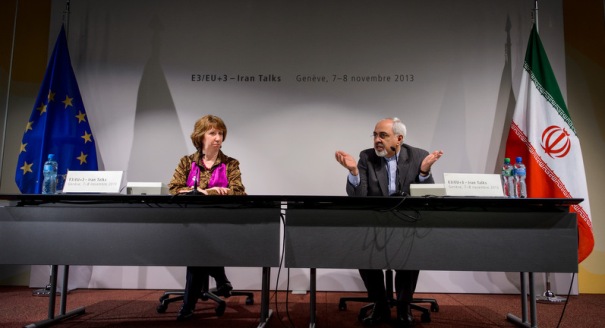
The dramatic developments in Geneva last week demonstrate that the Iranian nuclear issue can be resolved. The details of the future accord are very important, and they may become sticking points for international diplomacy.

The problem with the nation-building effort in Russia is that a nation cannot be built from above. Unless people begin treating their state as their own, Russia will continue to be a country and a state, but no nation.

Biryulyovo was not the first anti-immigrant outburst in Russia, or even the biggest one, and it is unlikely to be the last. The core issue is systemic corruption in the police, migration service, and municipalities, which the new measures taken by the government in response to Biryulyovo are unlikely to reduce, much less to end.
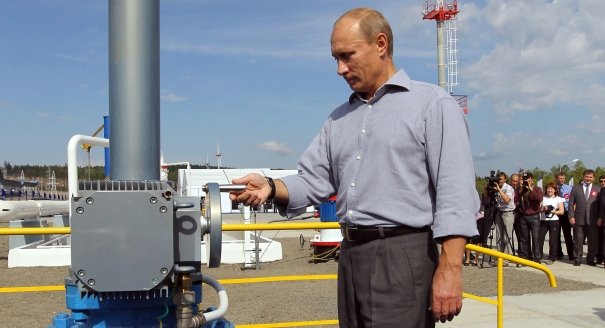
The Chinese-Russian energy alliance is a product of growing bilateral relations, but it also reflects developments in the global energy market and in non-energy geopolitics.

In the run-up to 2014, when the U.S./NATO combat forces due to leave Afghanistan, fears multiply that a major extremist threat is rising again for the neighborhood and beyond. Russia is right to focus on the southern flank as far as its most pressing security needs are concerned.
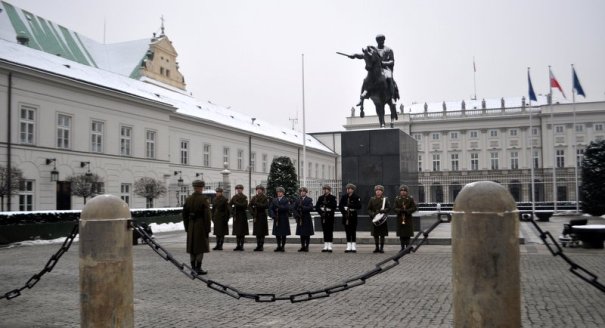
Several years after the Polish presidential plane crash and the initial Russian-Polish rapprochement, the process of reconciliation has visibly stagnated. Moscow should again step forward and give this process a new lease on life.

As a Euro-Pacific nation, Russia is in a good position to connect directly with all important economic, technological, political, military, and cultural players in the world—and keep the right balance among them in its foreign policy.