Carnegie Moscow Center

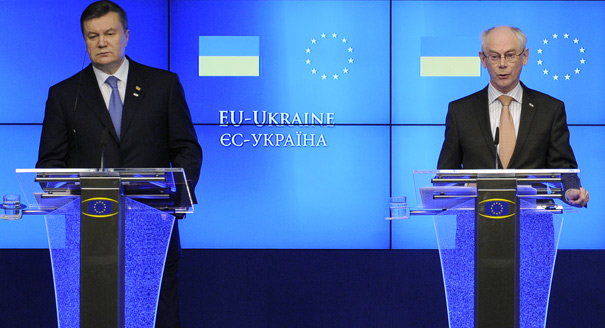
For Vladimir Putin, seeing Ukraine moving away from Russia and leaning toward the EU is unnatural, even perverse.
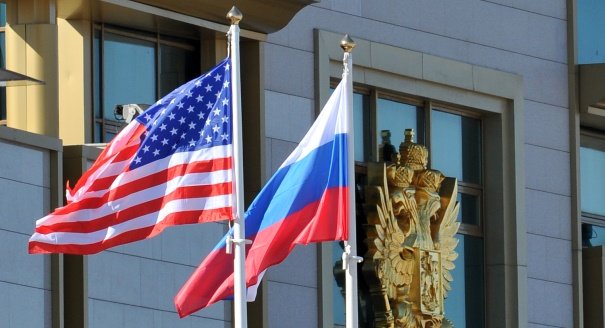
The United Nations is a recognized platform for debate, but its performance depends on its key members actually working together.
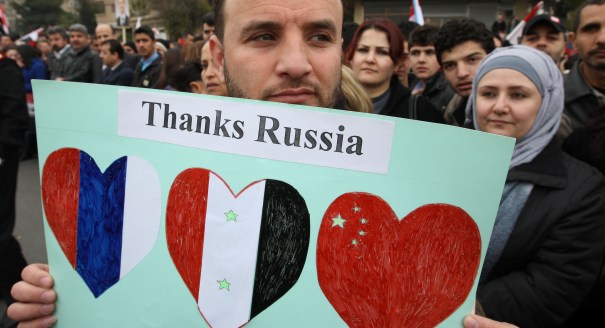
Russia has managed to step up from a naysayer and a spoiler vis-a-vis U.S. actions to an independent full partner. With this, Russia has again earned its permanent Security Council seat.
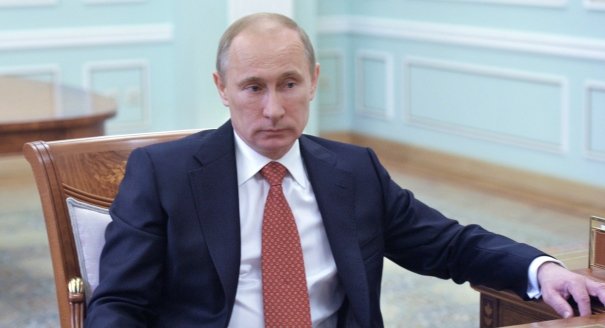
U.S. reactions to President Vladimir Putin’s op-ed article in the New York Times, from outrage to ridicule, show just how badly much of the Western policy elite are misinterpreting Russia.
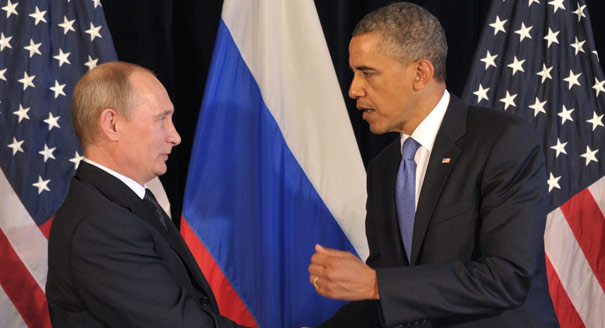
Russia’s chemical weapons plan will require a serious re-launch of the political process in Syria.
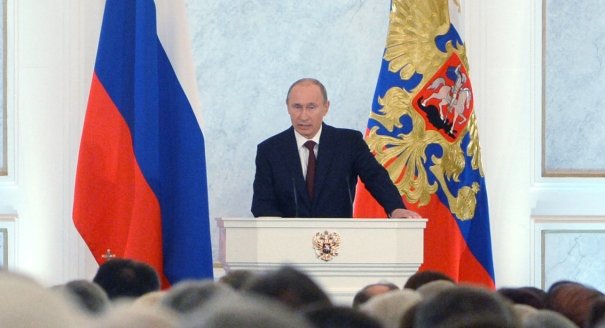
The main goal of Vladimir Putin’s op-ed in the New York Times is to force the United States back into the U.N. Security Council-centered international system.
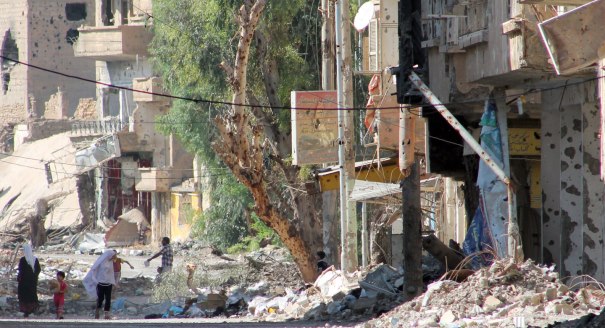
With the U.S. strikes against Syria announced also with Iran in mind, and Moscow and Tehran acting as de facto allies in Syria, the meeting between Putin and Rowhani at the SCO summit will be important.
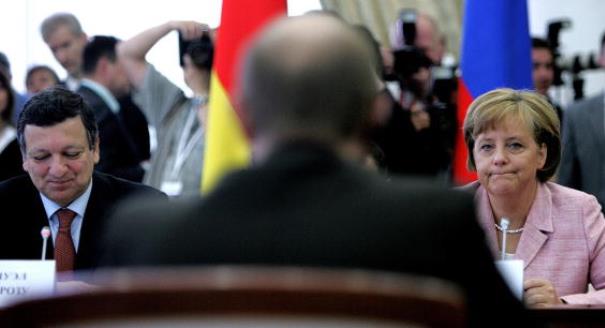
The EU needs a new strategy on Russia that is informed by Europe’s values and focuses on Europe’s interests. But first, Germany needs to show more foreign policy leadership.
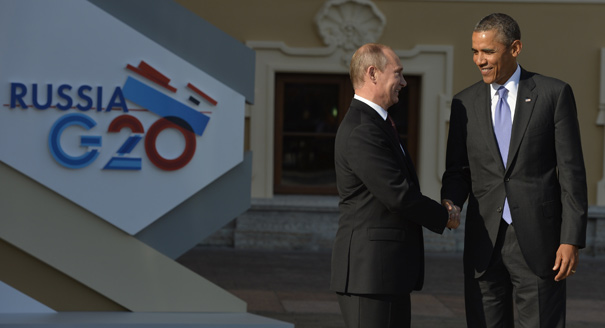
Though Putin purported to oppose any attempt to hijack the economic agenda of the G-20, he succeeded in setting the stage for a critical debate on U.S. foreign policy with the global leaders.
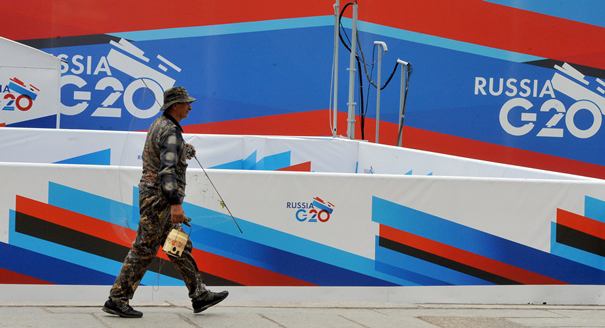
During the G20 summit, the world leaders need to tackle serious economic challenges. At the same time, the abrupt halt to a scheduled U.S.-Russia summit and a potential intervention in Syria have pushed security issues to the top of the summit’s agenda.