Carnegie Moscow Center


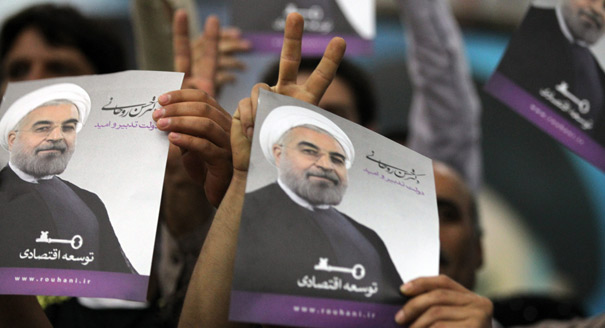
In the foreseeable future, Iran’s neighbors, partners, and adversaries will have to deal with an Iran which is more united internally, more flexible at the tactical level, but strategically as determined as ever to be the dominant regional player. With Rowhani as president, it will be more difficult to present the Iranian leadership as irrational or unreasonable.
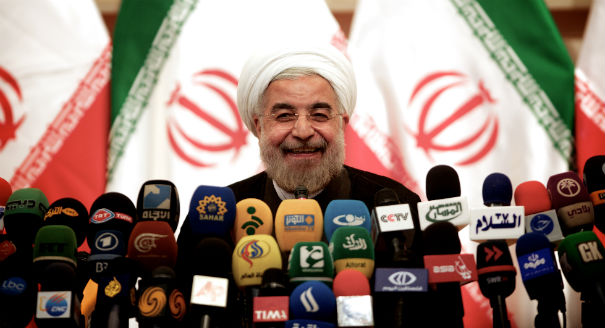
The international community is most interested in the foreign policy implications of the Iranian election. The combination of Rowhani in Tehran and Obama at the White House looks fortunate for diplomacy and peace. The reality will clearly be more complicated.

The G8 stands as a monument to unfulfilled promises and expectations of Russia’s integration into the West and its transformation along Western standards.
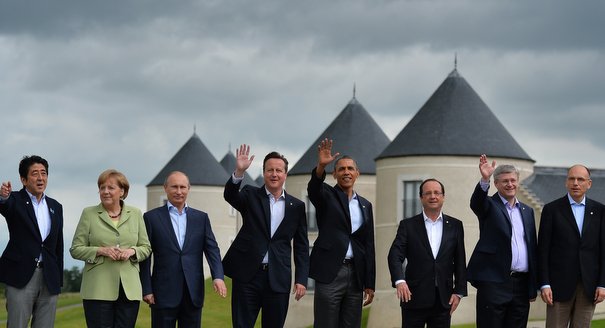
Each time the leaders of the G8 meet, someone asks the question, does this group still make sense?
The issue is how to transform the post-imperial polity which is today’s Russia into a nation state.
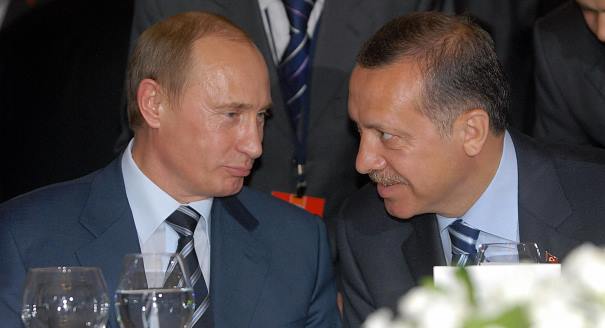
Erdogan is being challenged by an urban, secular minority—just as Putin was eighteen months ago. The EU urgently needs to craft a strategy toward its two biggest neighbors.
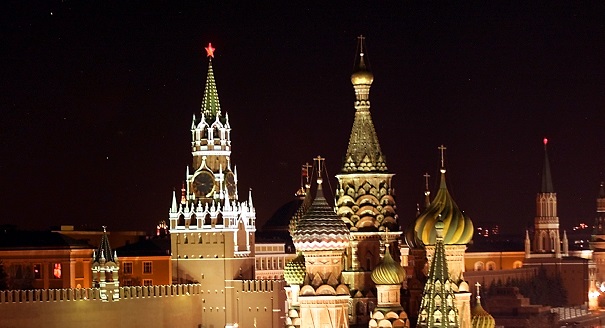
With the Soviet Union no more at the end of 1991, and the Russian Federation fully on its own, June 12 became known as Russia’s Independence Day. On what is now known popularly as “Russia Day,” Russians, whether they realize it or not, actually celebrate their self-liberation from their historical empire.
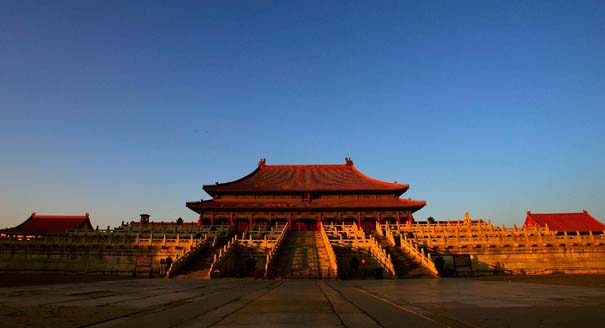
Many fear China’s rise because of the challenge that its authoritarian system, based on a fast growing economy, poses to the West and the U.S. domination of global politics. In fact, such competition can be salutary for both the West and China.
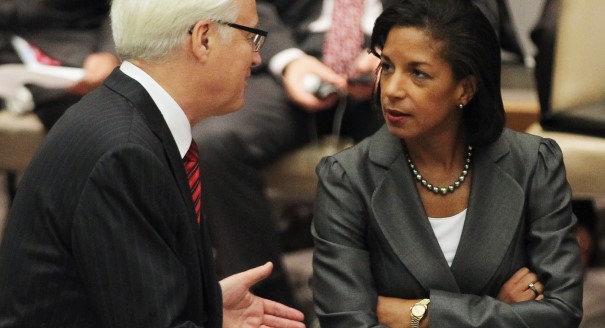
It remains to be seen whether the Russian and American presidents can establish a productive relationship for the remainder of Obama’s term and what role Susan Rice, the new U.S. national security advisor, will have in shaping U.S. policy toward Russia.
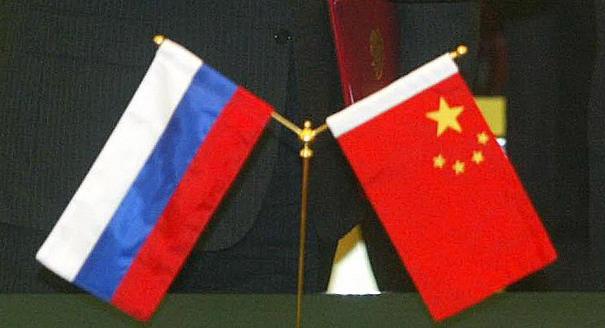
In the last quarter-century, China’s and Russia’s roles have become reversed. The most stunning fact about this role reversal is that, in this environment, Sino-Russian relations have not stopped improving.