Carnegie Moscow Center


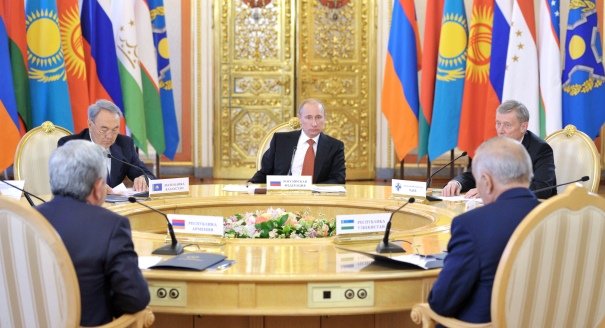
Membership in the Customs Union may be extended to other former Soviet countries: Kyrgyzstan, Tajikistan, and Armenia. The changes resulting from such expansion will be minimal. To make a real difference, the union must include Ukraine and Uzbekistan.
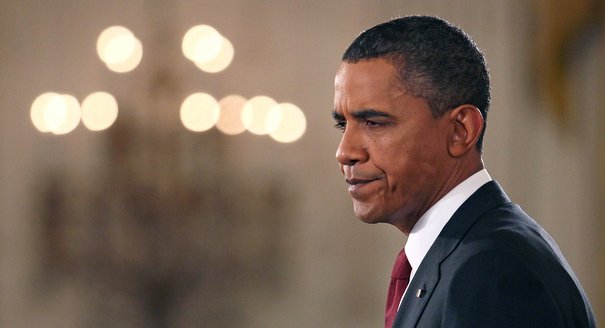
The cancelation of the U.S.-Russian summit marks the formal end of Barack Obama’s reset policy. The reset may be followed by something which can be called counter-reset: a policy of applying more pressure on Russia.
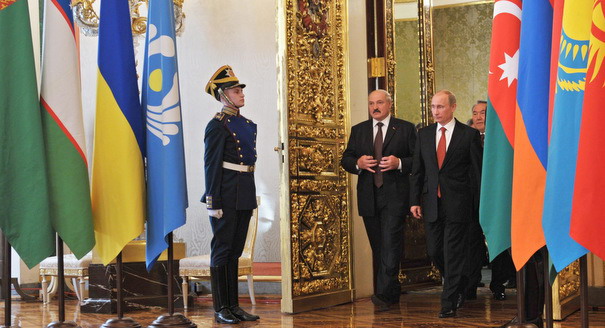
For the first time since the downfall of the Soviet Union, Moscow has embarked on a geopolitical project of its own, rather than trying to accede to others’.
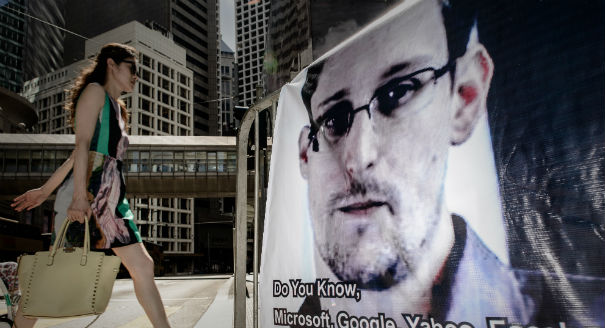
Snowden is the tip of the problem which runs deep and was not addressed at all by the policy of the reset, even in its heyday. The problem is how to construct equal relations between Russia and the United States which are very unequal in terms of national might and international power.
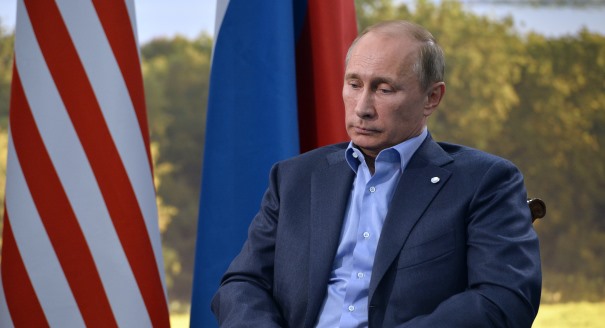
From Vladimir Putin’s perspective, U.S. policies in the Middle East since the beginning of the Arab Awakening have been misguided, unprincipled, and dangerous, and Washington’s record of prognostication and intervention has been abysmal.
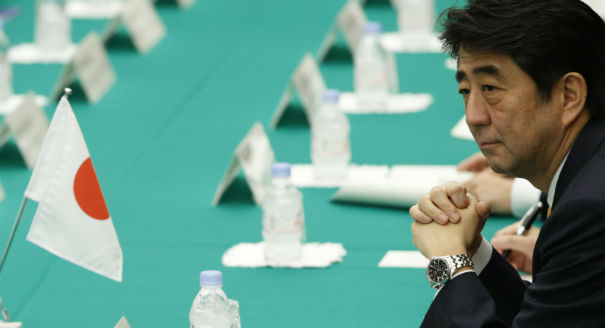
Since winning the election to Japan’s lower house of parliament in December 2012, Prime Minister Shinzo Abe has made the world talk about Japan in a new way: a country back on track, not on a long downward slope.
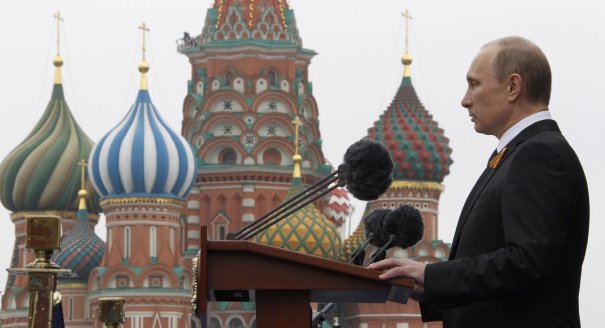
The Kremlin appears to have found its distinct international role. It is based on conservative nationalism; support for traditional international law with its emphasis on national sovereignty and non-interference in internal affairs of states; and a strong preference for evolutionary path of development over revolutionary upheavals.
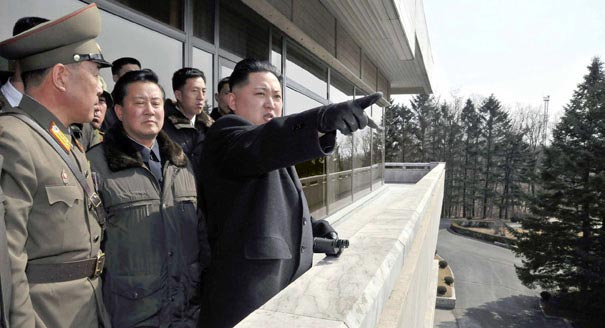
Pyongyang needs to be drawn out of its self-made shell, not cornered there.
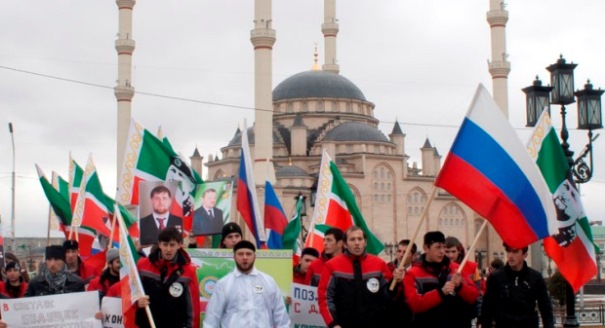
The way forward in the North Caucasus will only be possible in case of major institutional changes within the Russian Federation. Trying to solve its problems by means of expulsion is an illusion.
Putin will make it clear again that Russian domestic politics is off limits to Washington. By the time Obama arrives for his scheduled visit to Moscow, Snowden will have left the airport, and be silent.