Carnegie Moscow Center



In case of unobstructed civil war in Syria, the division between Russian and U.S. policies toward Syria will most probably deepen, and the choices of these two countries will have serious international implications, including stronger Russia-China cooperation to counter U.S. foreign policies.
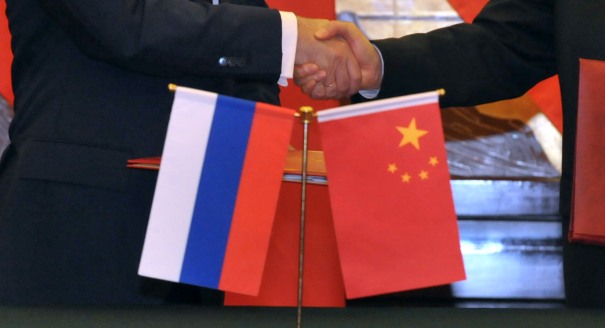
A flexible relationship, rather than an alliance, may better suit Russia and China despite their many shared interests.

To forge an effective partnership with Moscow, the EU must first understand Russia’s political, economic, and security designs, and how best to deal with another round of Putin.
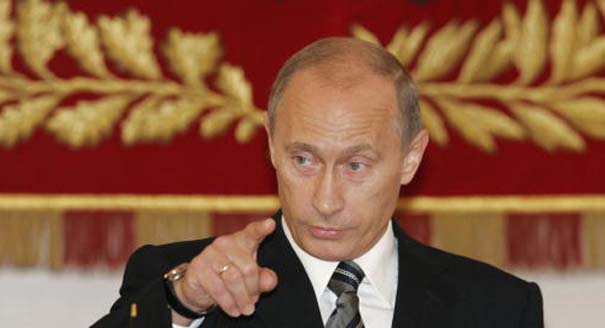
Each of the three previous four-year presidential terms in Russia—two of Vladimir Putin and one Dmitry Medvedev’s—has been marked by a different policy toward the West, and the new Putin’s six-year period opening in 2012 is likely to follow that pattern.
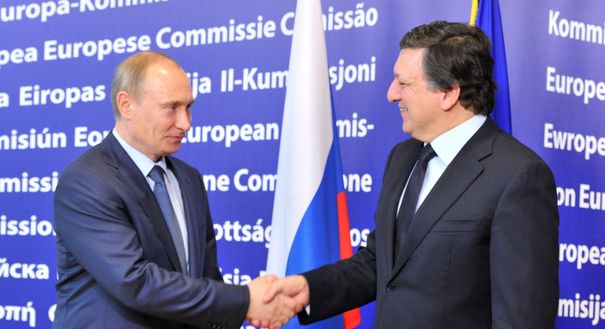
In both Europe and Russia, things will probably need to get worse before they start getting better.
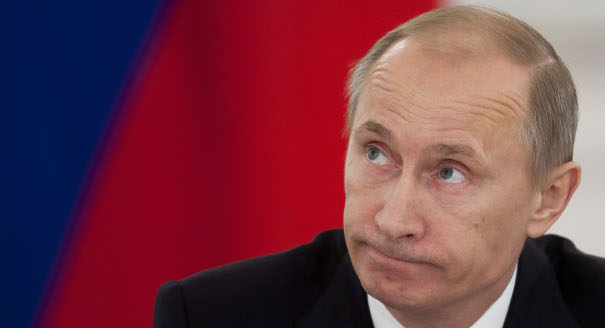
Putin’s surprising decision to skip the G8 summit means that he is putting the stability of his power structure above his diplomatic engagements abroad.
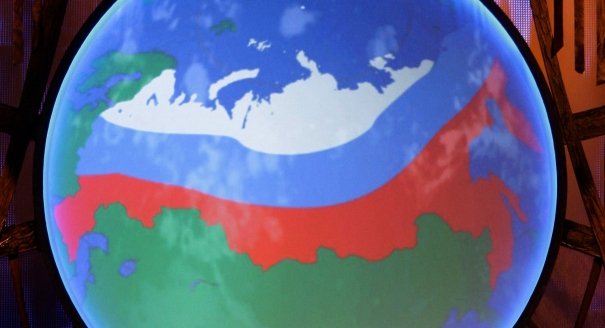
The Russian empire is over, but the belief that Russia is finished as a serious global player might be premature. Today, Russia’s goals include modernizing, creating a nation-state, and finding the country’s new role in the world.
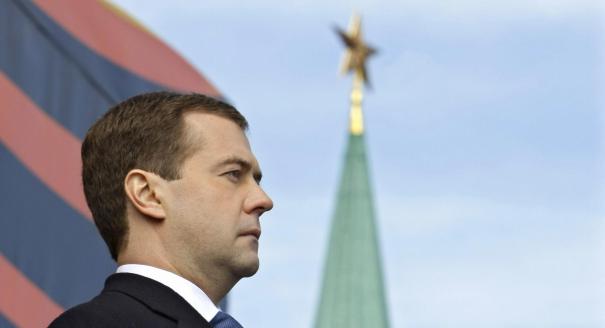
Dmitry Medvedev’s four years of presidency were a missed opportunity in terms of modernizing the country. His most important achievements were in foreign policy, not in domestic policy.
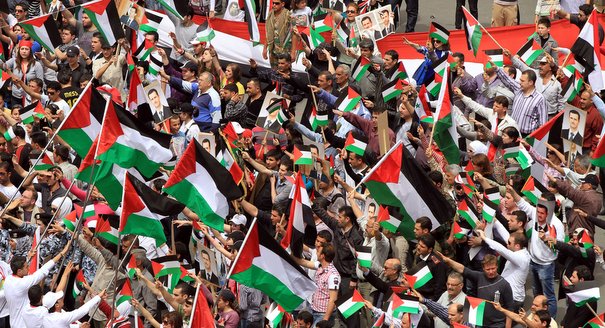
Leading Syria to peace is a responsibility which it is safer to accept than to ignore.

While developing its Asian strategy, Russia will certainly give a lot of attention to cooperation with China, but it will not ignore its interests and opportunities in other countries in the region.