Carnegie Moscow Center


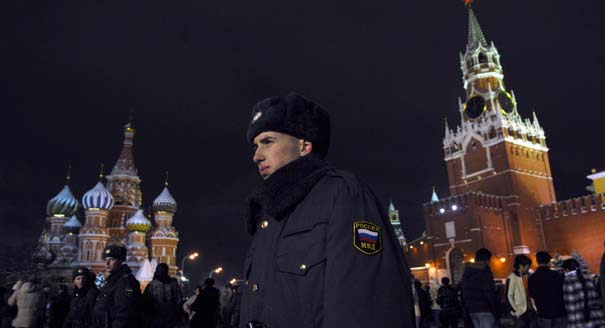
The chief goals of U.S.-Russian relations should be developing engagement, building trust, and transforming the nature of the strategic relationship.
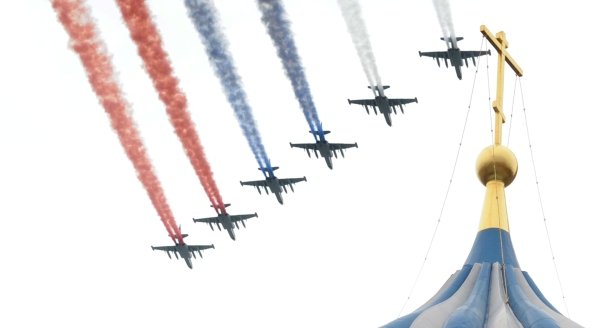
An inclusive security community in the Euro-Atlantic and stable peace in the region depends on a positive transformation of U.S.-Russian relations and historical reconciliation between Russia and a number of countries in Central and Eastern Europe.
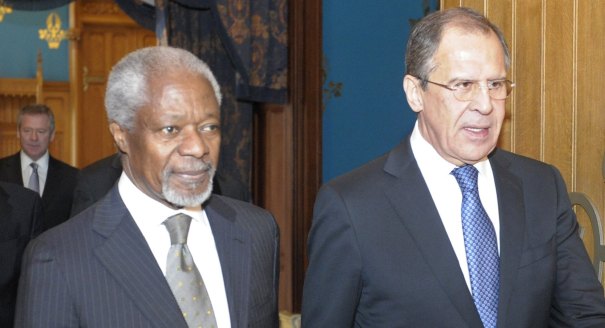
UN-Arab League envoy Kofi Annan is most likely looking to persuade Syria’s Bashar al-Assad to leave power and prevent a collapse of the Syrian state and civil war.
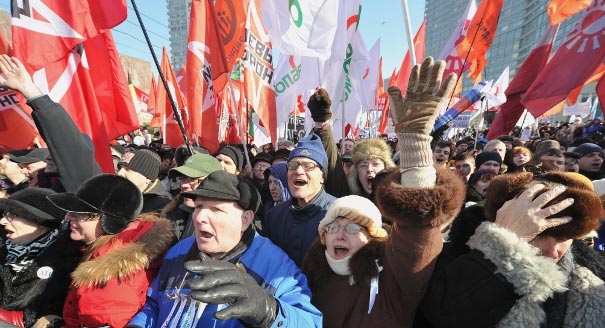
Vladimir Putin’s election as Russia’s president may mark the end of the first phase of Russia’s awakening, but the awakening is not over. A restructuring of the Russian political field has just begun.
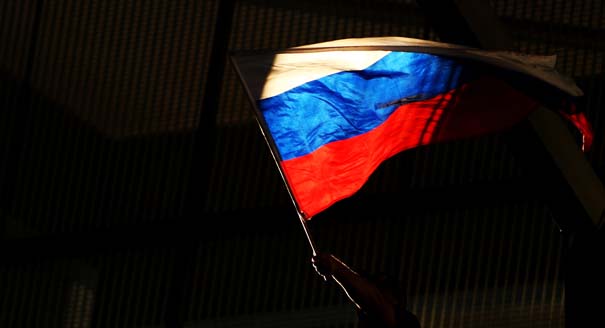
Today, Russia is peripheral to many of the major conflicts in the world. While this gives Moscow an opportunity to take care of its own affairs, Russia also needs to define and fulfill its new international role.
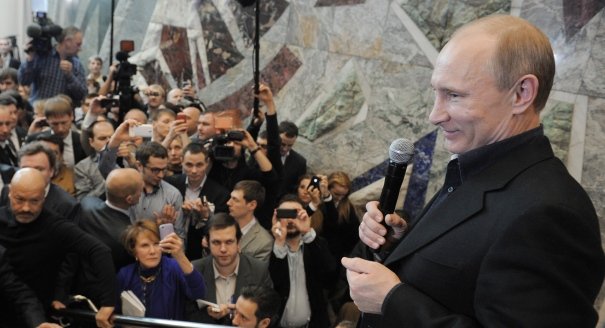
While Vladimir Putin’s election to the presidency should not change the course of Russia’s foreign policy, his fate will largely depend on his government’s socio-economic and political performance.
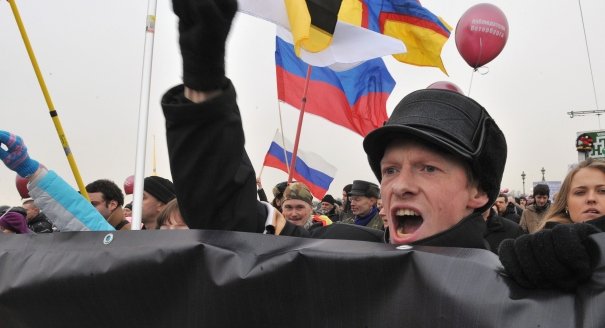
Following the Duma election in December, the political situation in Russia changed fundamentally. Social activity has sharply increased, and the new Russian middle class has awakened.
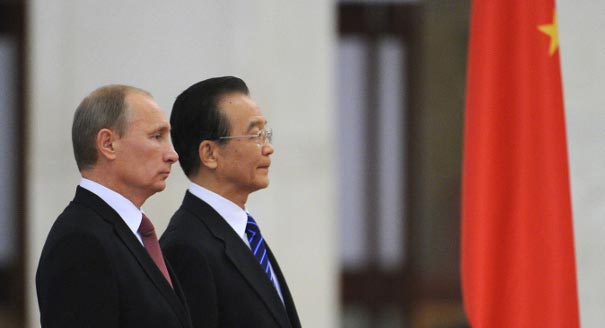
As China's power continues to grow, Russians need to rediscover themselves as a Euro-Pacific nation and strengthen ties to East Asia in order to avoid becoming Beijing's junior partner.
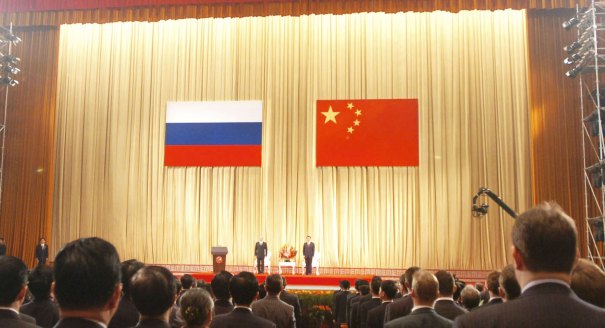
Despite the overlapping interests of Russia and China, the two countries are not allies. Moscow will not accept a junior position vis-à-vis Beijing, while the Chinese regard Russia as a fading power.
It is in both Moscow and Washington’s interests to find realistic ways to improve bilateral strategic relations.