Carnegie Moscow Center

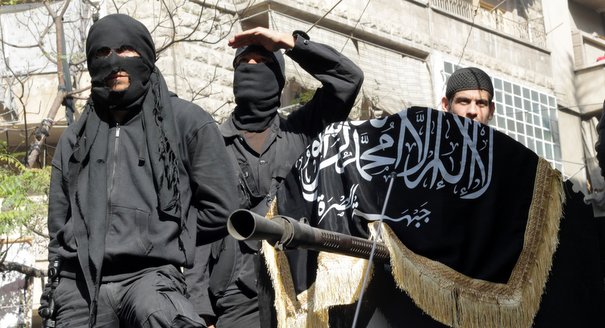
Syrian jihad will not be replicated by Central Asian combatants returning home, but fundamentalist ideals are long-established in this region and will not go away.
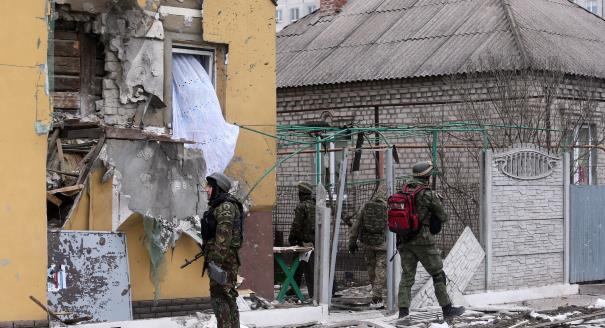
This past weekend’s intensified fighting and shelling in southeastern Ukraine, from Donetsk to Mariupol, escalated the Ukraine crisis to a new level. As more people die, political negotiations and eventual diplomatic compromise look less and less likely. What, under these circumstances, does the future hold for Donbas?
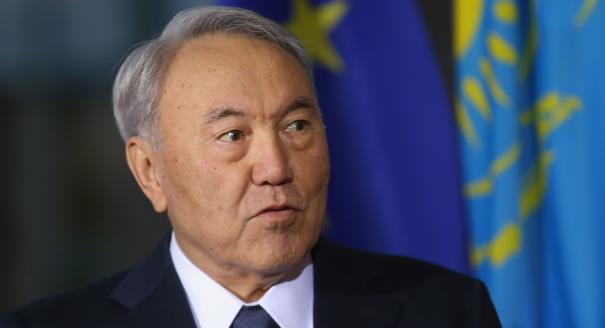
Kazakh President Nursultan Nazarbayev has managed to use the Ukraine crisis as a sort of stepping stone to elevate his international profile and Kazakhstan’s geopolitical status.
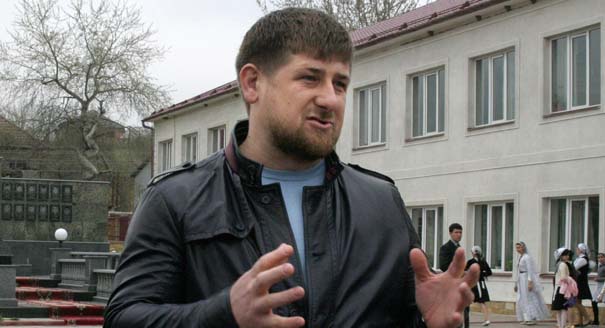
Ramzan Kadyrov, head of the Chechen Republic in the North Caucasus, is now firmly entrenched in Russian politics at the federal-level, and it appears that he is there to stay, because Putin and Kadyrov really need each other.
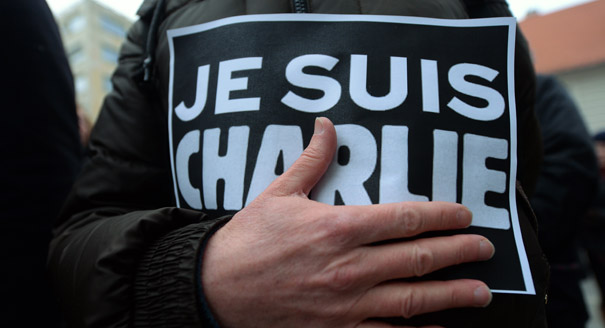
An optimal model for the painless existence of Muslims in an alien cultural and religious environment has not yet been found and is unlikely to appear in the near future. In essence, Europe is dealing with a conflict of identities, which continues to increase.
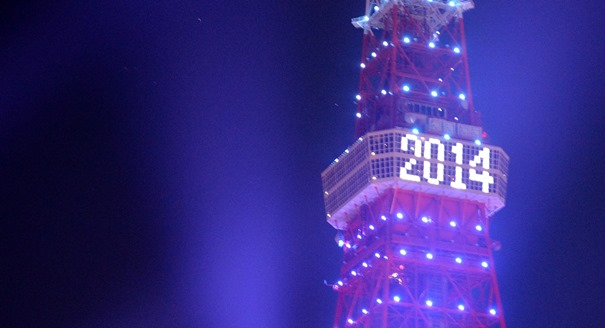
Eurasia Outlook asked its experts to reflect on the dramatic events of 2014 and to share their predictions for Russia's future and for its role on the global stage going forward.
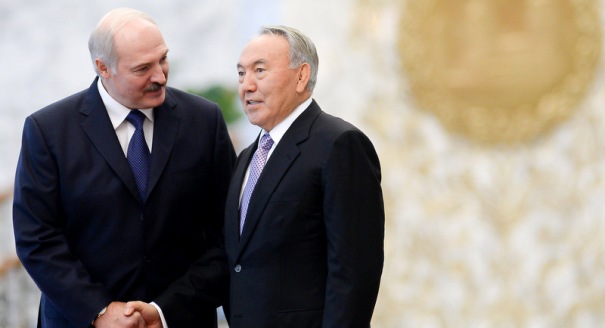
The Ukraine crisis has had an increasingly negative effect on Russia’s relations with Belarus and Kazakhstan, its closest allies and partners in the Customs Union and Eurasian Union.
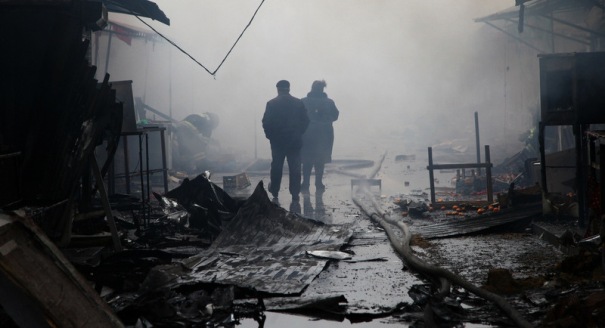
The terrorist attack that shook Grozny during the night of December 4 has put in question the authorities’ ability to control the situation in the North Caucasus, even in the seemingly stable Chechen Republic.
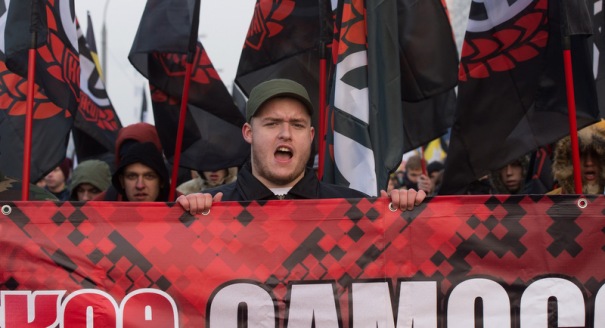
The ethno-religious tensions in Russia have subsided a bit in 2014, because the Ukrainian conflict has shifted the xenophobic sentiments from an internal to an external adversary. However, this shift does not eliminate xenophobia altogether—on the contrary, overall aggressiveness is on the rise.
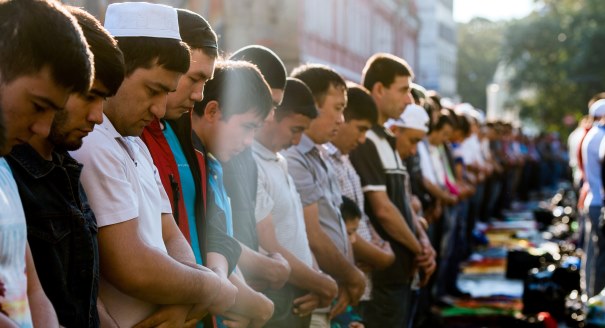
The situation in Russia’s Muslim community is generally stable. However, the economic crisis creates fertile soil for the growth of Islamic radicalism, for which the country should be prepared.