Carnegie Moscow Center

Over a few months the Islamic State has asserted itself as the strongest—militarily and politically—extremist organization in the Middle East. Russia must develop a policy to deal with the Islamic State.
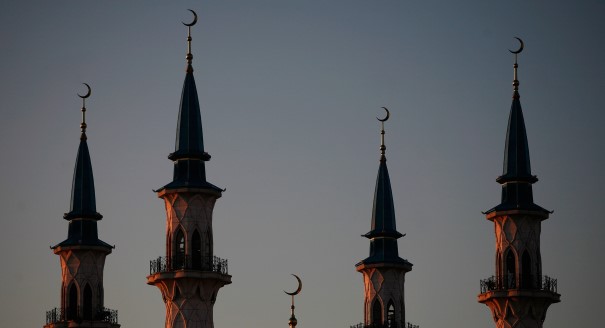
Islam-state relations embody a range of political and ideological issues that are inseparable from factors of ethnic tradition, culture, and migration.
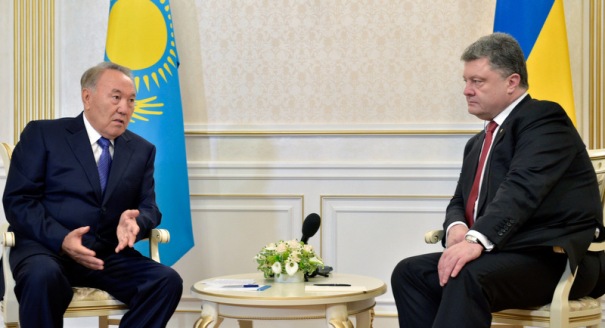
The Ukraine crisis has betrayed fissures in the Russo-Kazakh relationship. It is difficult to predict a post-Nazarbayev Kazakh policy toward Russia, but developments in Ukraine suggest that future Kazakh leaders will have to deal with a new source of friction with the Kremlin.
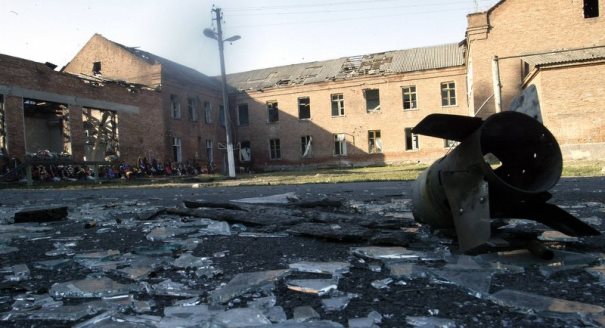
Russian terrorism is deeply rooted in politics, religion, and social issues. Also, it is part and parcel of the global radical movement. Ten years after the terrorist attack on a school in Beslan, the repeat of that tragedy is still possible.
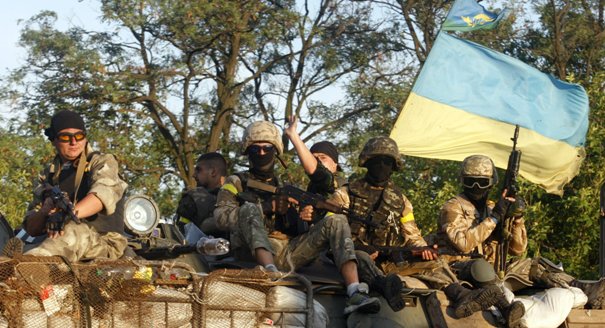
The world is getting used to the Ukrainian conflict and the confrontation between Russia and the West. If Moscow and the Western countries start to consider this state of affairs the new norm, the consequences may be quite unappealing.
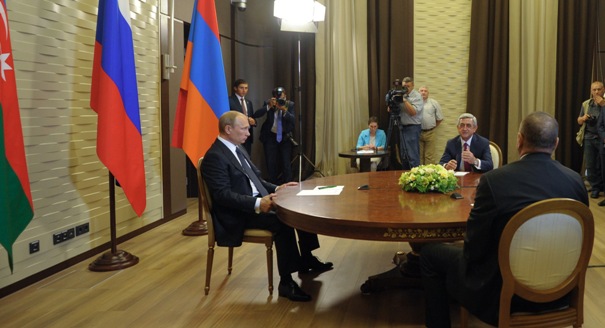
The Sochi meeting between Russia’s, Armenia’s, and Azerbaijan’s presidents is but one episode in the series of Russia’s protracted peacemaking efforts. Rather, the Armenia-Azerbaijan conflict serves as a great pretext for Russia’s presence in the South Caucasus.
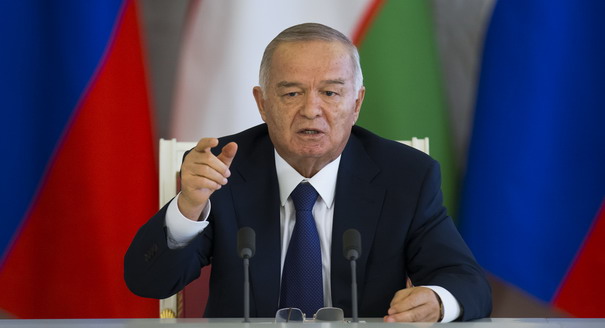
Though it is still too early to talk about the chances specific candidates have of replacing Uzbekistan’s President Islam Karimov, it is important to look closely at the current ruling elite and the president’s possible successors to see where the country might be heading.
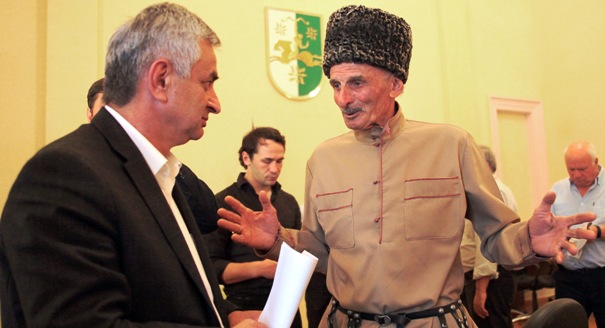
The coup d’état in Abkhazia attracted virtually no media attention in Russia, and even less attention was paid to the parliamentary election in South Ossetia. It seems that after almost six years of Abkhazian and South Ossetian “independence,” these territories stopped being Russia’s headache, only to be replaced by Crimea.
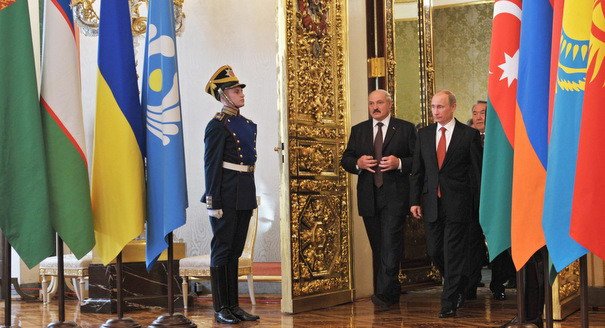
Belarus, Kazakhstan, and Russia signed a treaty on the creation of the Eurasian Economic Union (EAEU) on May 29. While Russia mainly hopes to increase its political clout, all three presidents realize how many difficulties they will have to overcome.
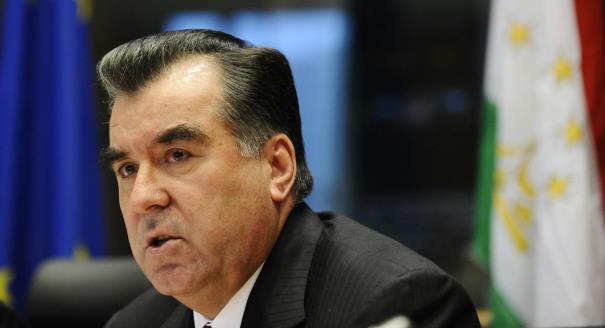
Tajikistan’s President Emomali Rahmon faces a number of complex tasks, which make maintaining a high degree of stability increasingly difficult.