Carnegie Moscow Center


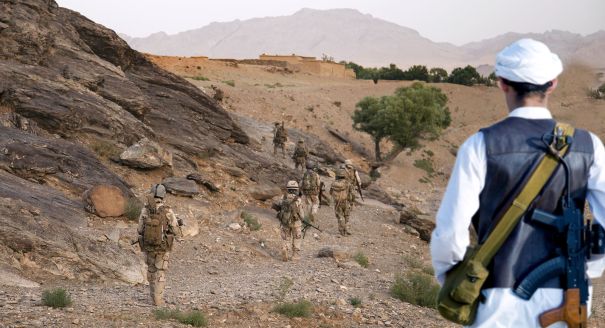
Russia should not treat the post-2014 situation in Afghanistan as a potential disaster for its security in the south. Nevertheless, the coalition withdrawal from Afghanistan will force Russia to take more responsibility for regional security.
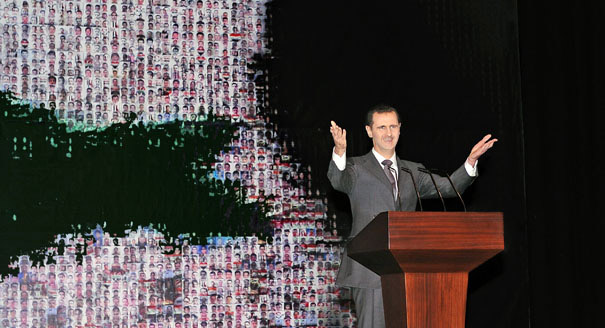
The June 3 Syrian vote is unlikely to radically change or improve the situation in the country. Rather, Bashar al-Assad’s re-election may only worsen it.
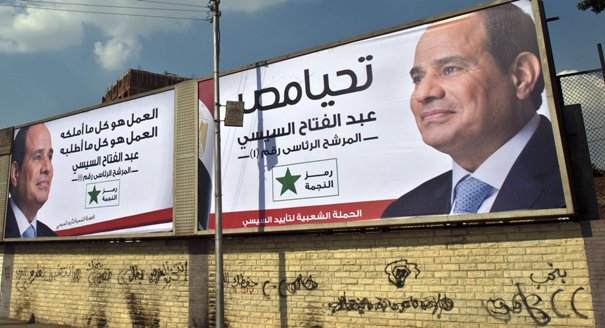
The most probable Egyptian president Abdel Fattah Al-Sisi is actively exploiting Nasser’s legacy to establish his leadership. But whether he will be able to develop into a full-fledged national leader will become clear in the next few months.
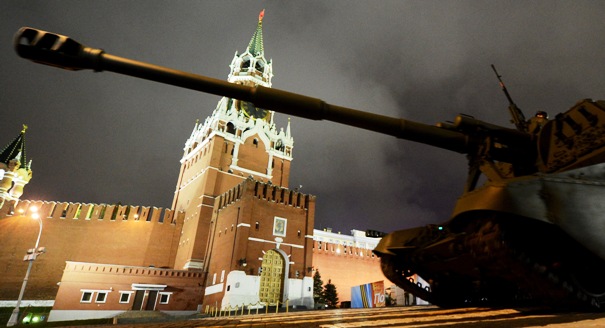
The crisis in Ukraine may lead to unpredictable consequences inside Russia—from another perestroika to complete collapse.
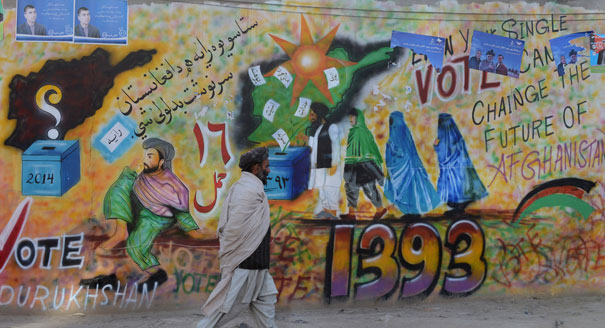
The Afghan presidential elections did take place. The traditional and arch-conservative Afghan society is gradually getting used to regular democratic political instruments, although the situation in Afghanistan remains unpredictable, and the national consensus is far out of reach.

Kazakhstan’s new Prime Minister, Karim Massimov, is “the president’s most trusted man.” If his term lasts long enough, he may become a sort of political double for President Nursultan Nazarbayev.
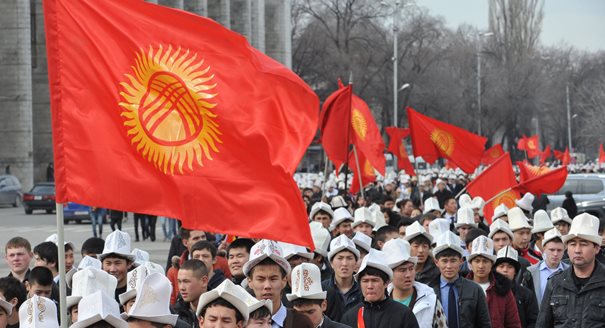
It is likely that Kyrgyzstan will become a member of the Customs Union. Moreover, Kyrgyzstan’s integration process with Russia was not substantially affected by the developments in Ukraine.
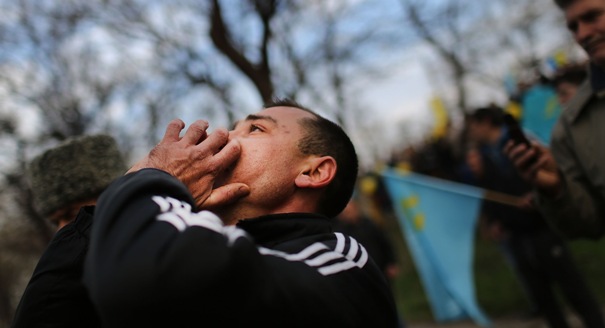
The situation around Crimea’s Tatars remains complicated despite Moscow’s evident readiness to compromise.
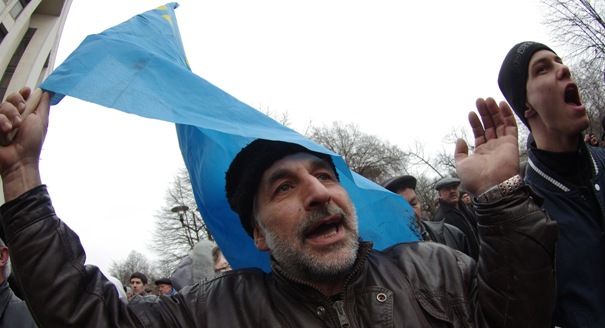
The “Islamic factor” in the Crimean crisis has received relatively little attention so far. However, the complexities of Crimean ethnoreligious realities should not be ignored.
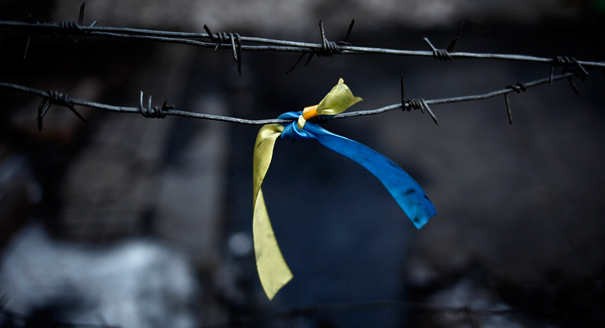
The collapse of the Yanukovych regime in Ukraine became another posthumous chapter in the breakup of the Soviet Union. It will severely curtail Russia’s leadership ambitions in the post-Soviet space.