Carnegie Moscow Center



The conference will consist of six virtual discussions that will provide a look ahead to 2021, focusing on what Carnegie scholars and other experts believe will be the most significant and challenging issues facing the Middle East and North Africa in their interaction with international actors.
Held on Dec. 15 from 12:30-1:30 p.m. EST (7:30-8:30 p.m. Beirut). This panel will explore the expanding influence of external powers such as Russia, the European Union and China in the Middle East, the alignments that they have formed, and the dynamics that have been unleashed by their intervention. Panelists will also discuss how changes in the policies of the United States may impact these dynamics.
Security in the Baltic Sea region is a major element in the European politico-military landscape. The region demands special attention as it is where NATO and Russia are direct neighbors, sharing land borders. Where does the region fit in Russia’s foreign and security policy? How to preserve a minimum of security in the region? Join Ambassador Vygaudas Ušackas and Dmitri Trenin to explore these and other issues.
This event will discuss Moscow’s role in Syria and take stock of the consequences of the Russian intervention for Damascus and the region.
Join us as three Carnegie scholars sit down with Aaron David Miller to share their views on how various Middle East, Russian and Indian actors might assess and react to the foreign policies of a new administration.
A new and deadly conflict has broken out between Armenia and Azerbaijan that has already cost hundreds of lives, including those of many civilians, and upended regional stability in the South Caucasus.
Join us for an in-depth conversation about the increasingly vexed relationship between Russia and its neighbors and the wider geopolitical implications of the crisis in Belarus.
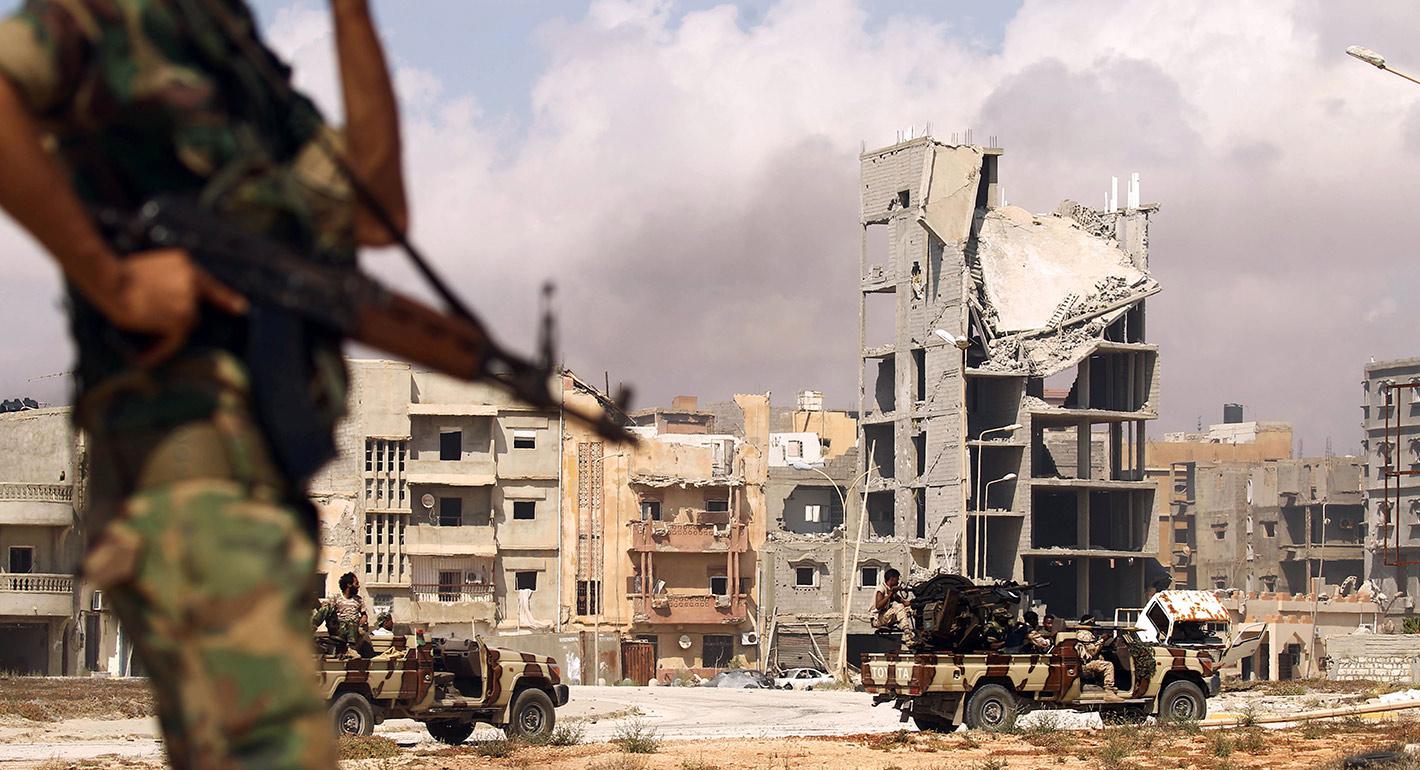
In the wake of recent battlefield developments in Libya, regional and global powers are maneuvering for influence and supremacy, with far-reaching implications for Libyan sovereignty, stability, and cohesion.

Is there a way to upgrade Indo-Russian economic and technological ties and make geopolitical and security interaction more effective, while not upending India’s connections with the United States, and Russia’s with China?
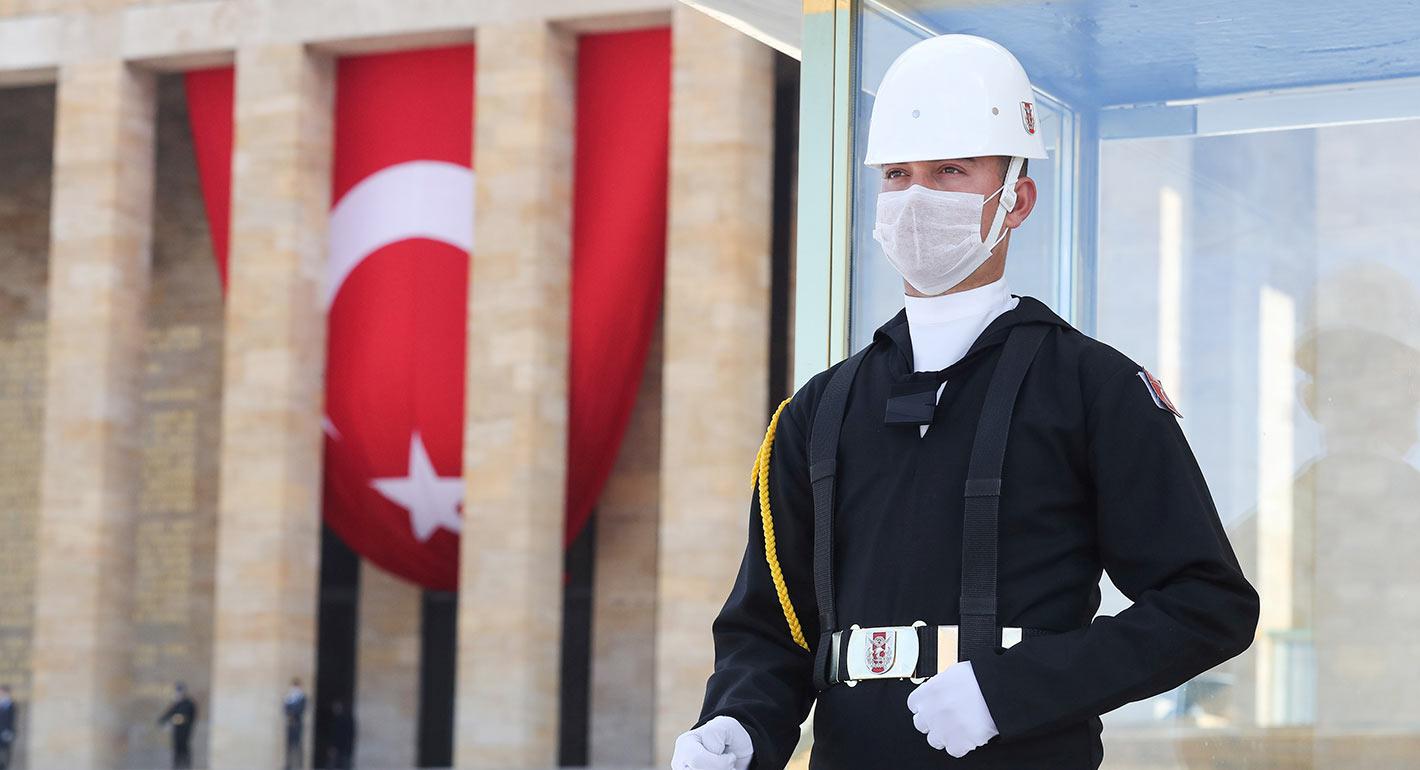
Will the global pandemic shift the trajectory of Turkey back toward its Western partners? Or will Ankara drift even further into Russia’s orbit and increased authoritarianism?