Carnegie Moscow Center


In 2014, Russia broke out of the post–Cold War order and openly challenged the U.S.-led international system. The new period of rivalry between the Kremlin and the West is likely to endure for years.
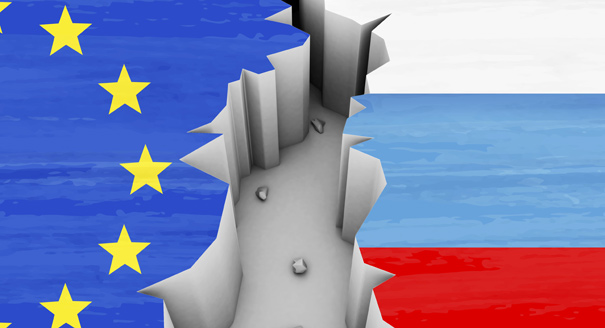
The cooling of relations between Russia and the West has been the most important geopolitical event of 2014 for Europe. So what are the prospects for Western-Russian ties in 2015?
The Ukraine crisis has isolated Russia, and consequently tightened Beijing and Moscow’s ties. How will these dynamics affect stability and the balance of power in Eurasia and Central Asia?
Russia and Turkey share many important interests, providing them with opportunities for valuable collaboration and cooperation in their common neighborhood, which stretches from the South Caucasus and the Levant to Central Asia and Afghanistan.
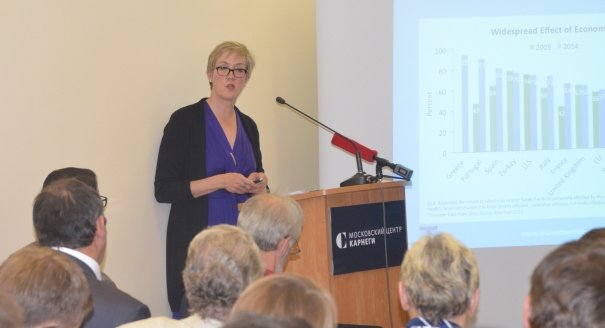
According to this year’s Transatlantic Trends survey, Russians have an increasingly unfavorable view of the United States and the EU. Americans and Europeans also had more negative outlooks toward Russia in 2014 than previous years.
Carnegie was on the ground at the 50th annual Munich Security Conference to give readers exclusive access to the debates and discussions as they unfolded.
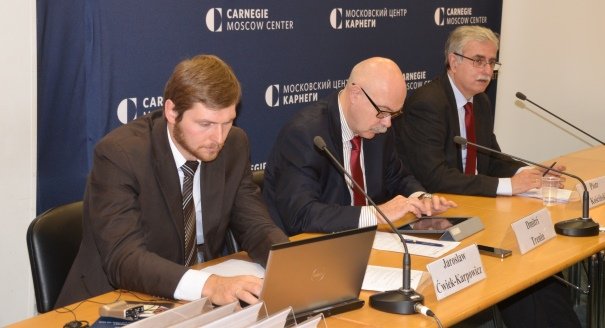
Russia-EU relations are of a technical rather than strategic character nowadays. A parallel functioning of the EU and the Eurasian Union would lead to more debate about strategic vision of Europe and the Eurasian continent.

James M. Acton visited the Carnegie Moscow Center to present his most recent report Silver Bullet? Asking the Right Questions About Conventional Prompt Global Strike (2013). Alexei Arbatov participated.
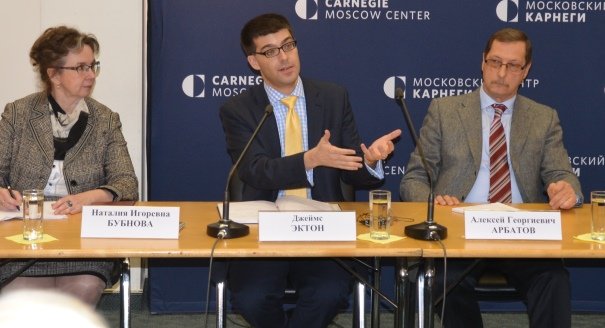
The development of non-nuclear weapons that can strike distant targets in a short period of time has been a U.S. goal for over a decade now.
Dmitri Trenin participated in a live Twitter Q&A on the situation in Syria, the G20 summit, and the U.S.-Russia relations.