Carnegie Moscow Center

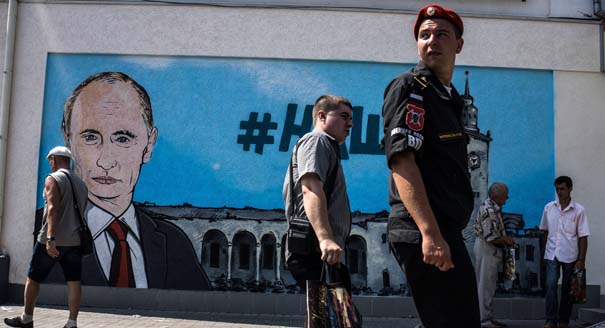
The Kremlin is using the alleged terrorist plot in Crimea as way of delivering an ultimatum to its Western partners. It’s saying: “You said yourselves that there can be no military solution to the deadlock over Crimea and Donbas, so go ahead and broker a peaceful settlement. If you can’t, Russia reserves the right to make the next move.”
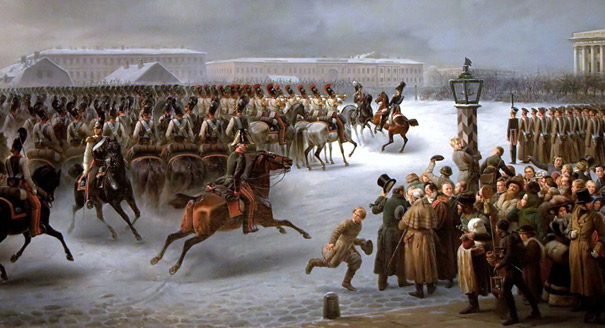
The military takes over when it feels superior to the rest of society. Its perceived superiority lies in the view of the army in developing nations as the primary instrument of modernization. The Turkish coup failed because soldiers have lost that status in Turkish society—a process that happened long ago in Russia.
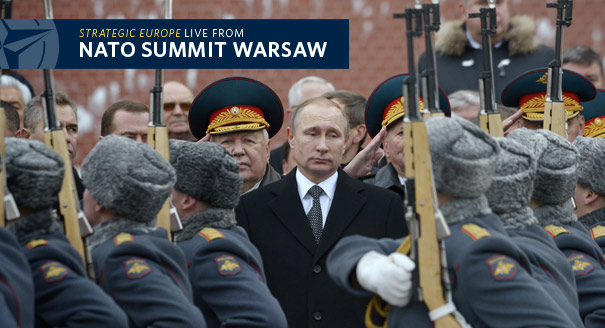
Russian diplomats see almost every NATO summit as a hostile event. There is particular bitterness when alliance leaders meet in a former Soviet or Warsaw Pact capital.
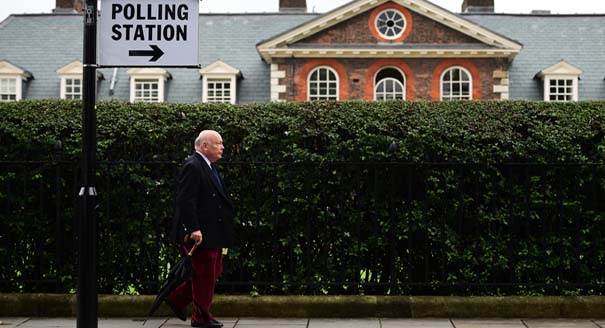
The Kremlin is enjoying the discomfort that Brexit is causing to the European Union. But that does not mean that it wants Europe broken up. It just wants a return to old-fashioned bilateral diplomacy.
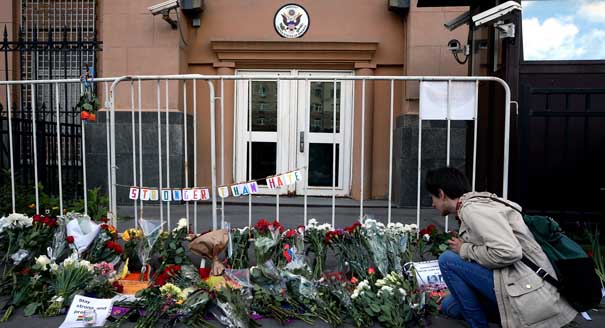
The sympathy expressed by President Putin and the Russian media for the victims of the Orlando attack gives Russia the opportunity to discard its discredited homophobic policies and to attempt a similar offer of rapprochement to the one Putin extended after the September 11 attacks.
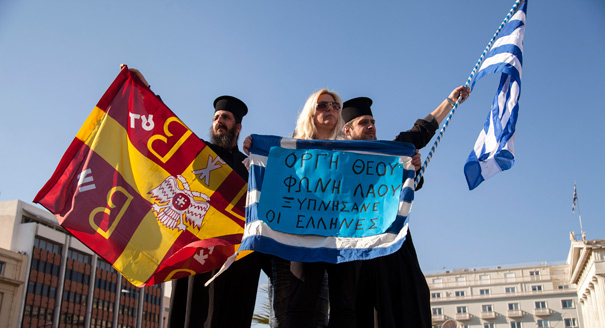
The central aim of Vladimir Putin’s visit to Greece was to declare the spiritual unity of two Orthodox nations, Greece and Russia. But Putin’s pilgrimage showed the limitations of that message. Greek Orthodoxy is fully compatible with its democracy and place in Europe.
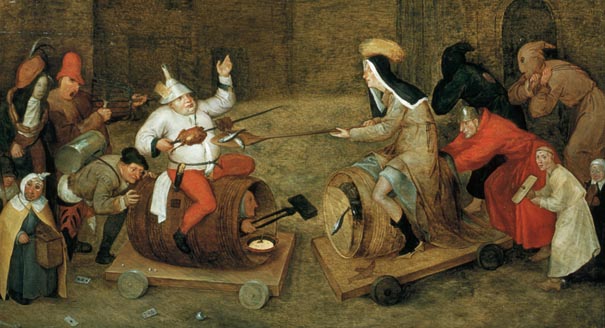
Russia has generally been a static autocracy throughout its history, rejecting the dynamic popular activism of Mao’s China or revolutionary China. The hybrid war in the Donbas was the occasion for a flirtation with extreme politics led from below. But the Kremlin has reverted to the norm, sensing the danger of giving its most loyal supporters too much power.
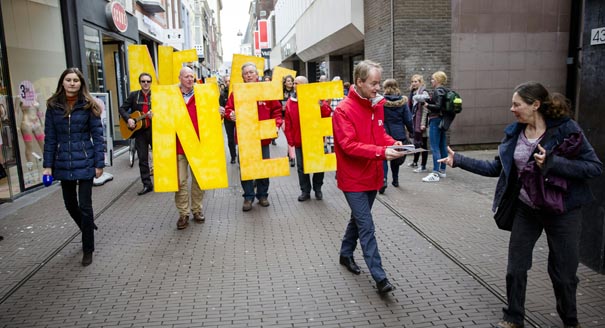
The Dutch didn’t reject the EU’s Association Agreement with Ukraine because they are sympathetic to Russia. They rejected it because they believe that Ukraine, like Russia, is unprepared to join the European community.
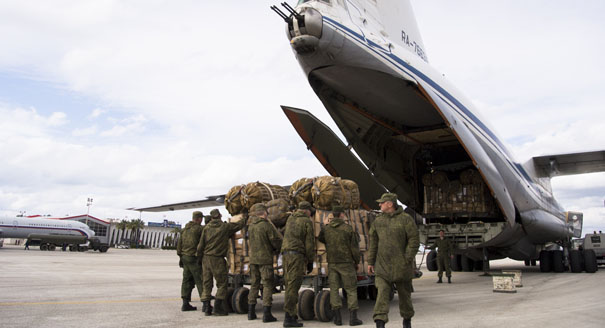
President Putin’s announcement that he is pulling back from Syria should not have come as a big surprise. He believes he has met most of his goals there—many of which have nothing to do with Syria itself. Russia has found a way back to the table where the world’s board of directors sits and resolves regional conflicts together.
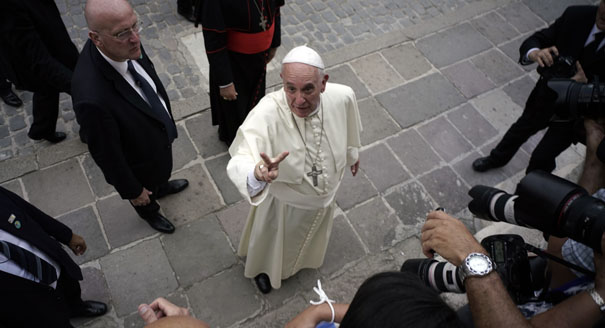
The Western political establishment is hostile to Russia. This makes it all the more important to demonstrate that the Western religious establishment is more sympathetic. Regardless of Putin’s aims, the meeting between Pope and Patriarch has become a landmark event in the history of Christianity.