Carnegie Moscow Center


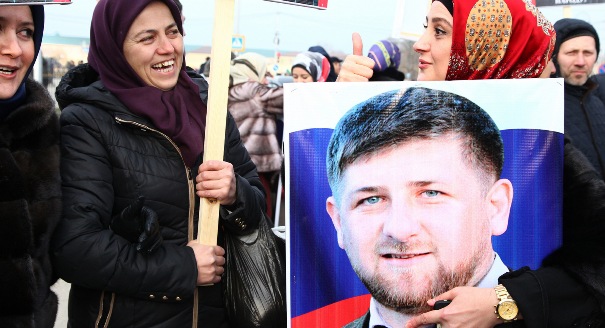
Ramzan Kadyrov is setting himself up to be an alternative to Putin, an improved version of the original. But the original rarely forgives the man who dares to copy him.

The goal was to return to the club where the destiny of the world is being discussed, not as an ally (because given the current economic disparity, one could only be a subordinate ally) but as a “partner”—a word that is invariably spoken in Russia with phonetic quotation marks: a disobedient, sometimes blunt neighbor with whom considerations of the world order must be shared.
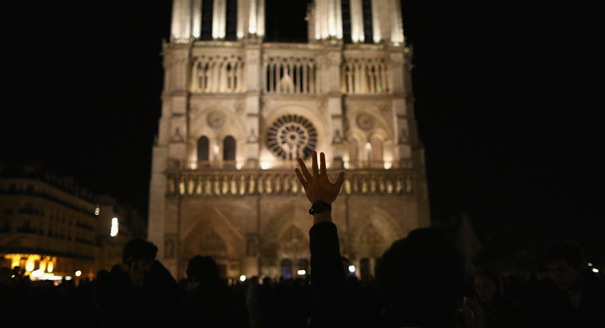
The Paris attacks signify the broadening of an “area of darkness,” of places targeted by the Islamic State, into Europe. The jihadists are not making a distinction between Russia and France. This compels Russians and Europeans to reflect on what they have in common despite their many differences.
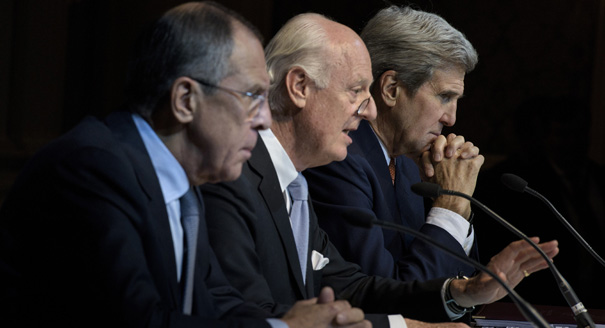
Russia sees the renewal of diplomacy on Syria as a chance to lose the status of international pariah. It has found relevance by getting involved in a crisis where Western strategy is full of holes.
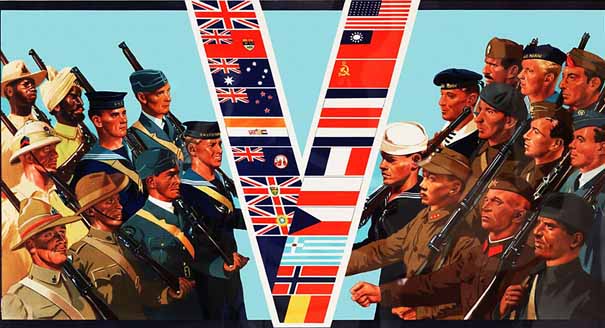
Vladimir Putin is making a bid to regain global respectability by leading a fight against ISIS and evoking the anti-Hitler coalition of World War II. The West is yet to be convinced that the appeal to be “brothers-in-arms” is serious.
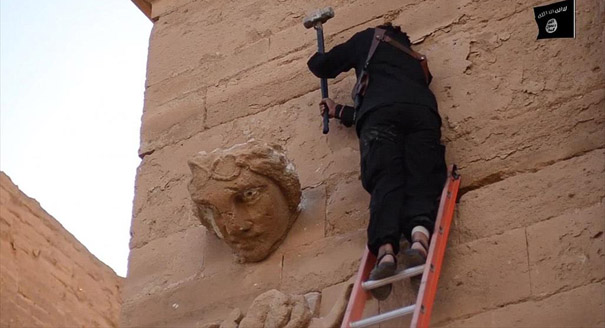
A brazen attack by Christian conservatives on an art exhibition in central Moscow evoked measured criticism from the Russian authorities. But their appeal of the attackers to archaic and anti-modern values is only an extreme form of current Russian state ideology.
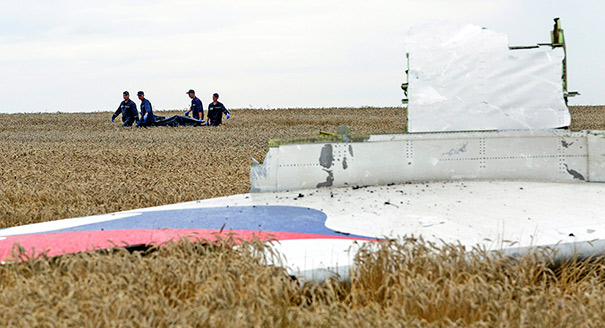
The MH-17 catastrophe has been a major factor in the current state of relations between Russia and the West for more than a year already. Paradoxically, the establishment of an international tribunal is unlikely to sour relations further, even though Moscow fears that protracted legal proceedings might stand in the way of a future détente with the West
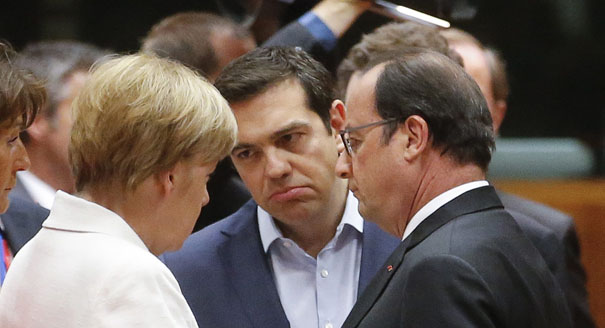
Putin phoned IMF chief, asking the Europeans to support Athens in any way possible. It is likely that Obama asked to do the same thing: there is no indication that Greece was ever a point of contention between Russia and the United States—despite Greece’s position on the Ukrainian crisis, its anti-Western rhetoric, and Tsipras’ friendship with Putin
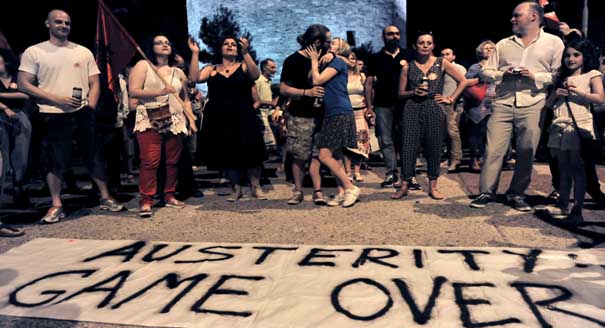
While using terms like democracy and justice, Syriza has presented Europe with a third-world understanding of these concepts. For the Greek leadership, a nation’s collective dignity is more important than personal dignity, and someone else is always to blame for our misfortunes. What should Europe do with the rebellious nation while holding the bloc together in the process?
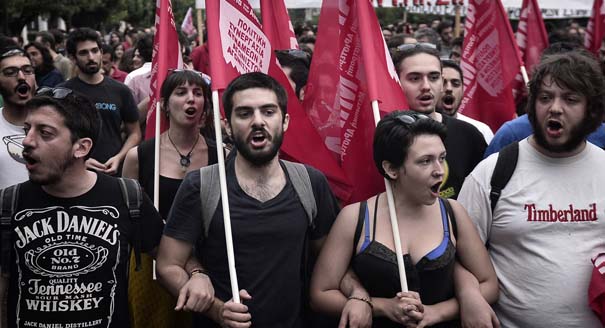
A party of professional protesters is now calling the shots in Greece. So why are we surprised that their time in office has yielded little except more protests? In recent decades, Greeks have gotten used to negotiating with the government through pickets and protests. But what works at home, doesn’t work abroad