Carnegie Moscow Center

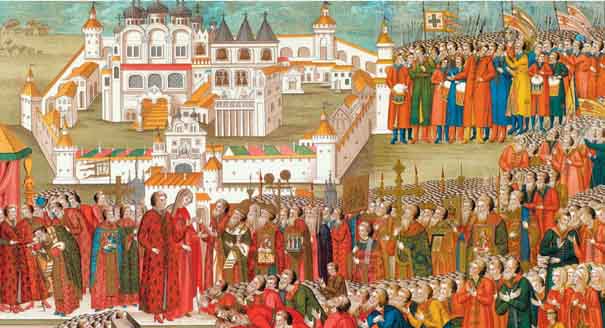
The unspoken social contract of the early Putin era saw freedoms curtailed in exchange for prosperity. Under today’s social contract the trade-off seems to be prosperity and freedoms in exchange for greatness. But greatness spells greater belligerence.
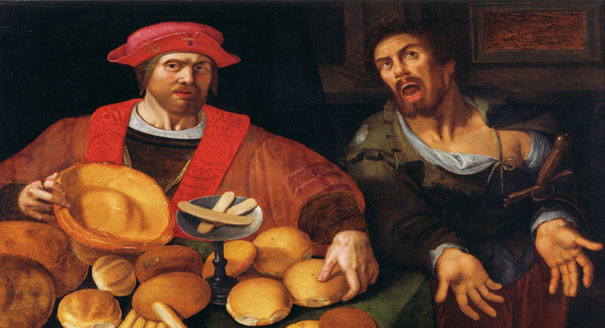
If the Eastern Partnership were all about the EU, money, and visas, it would have made sense. But it’s just a useless attempt to fill the void along the EU’s eastern borders. The only real goal is to divide post-Soviet Europe into Russia and “not Russia.”
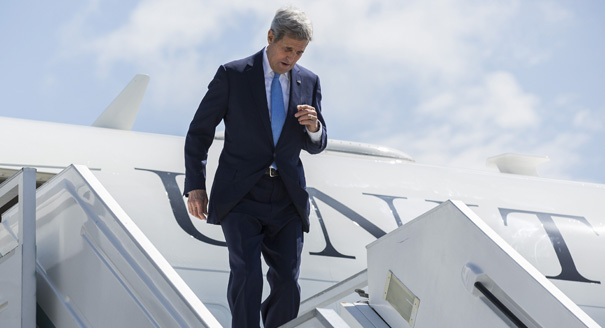
As it attempts to step back from the brink of a new Cold War, the West will have to make sure that Putin does not interpret backtracking as a reward for bad behavior
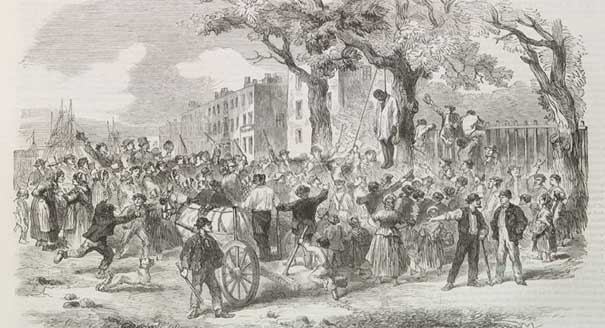
Old totalitarian practices can reemerge with new symbols, from new directions. And a struggle against the symbols of past unfreedom isn’t enough to protect against a lack of liberty in its latest incarnation.
The Ukraine crisis has made Europeans see Greek foreign policy as particularly threatening and divisive. In reality, Greece is simply acting in line with its long-standing political traditions. The question of European unity still lies in the hands of Brussels and Berlin.
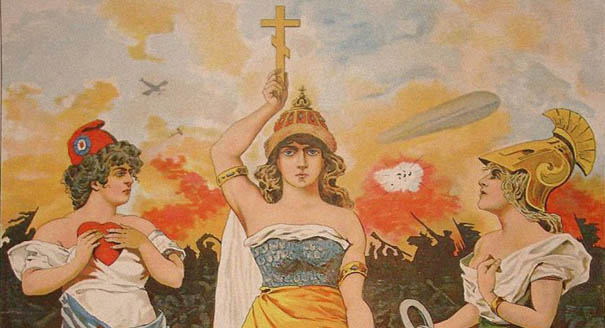
Putin and his policy attract sympathizers in Europe from both far left and far right. However, Russian ideologists have such a poor idea of who supports them overseas that they failed to assemble and present a convincing contingent of supporters, only embarrassing themselves in the end.
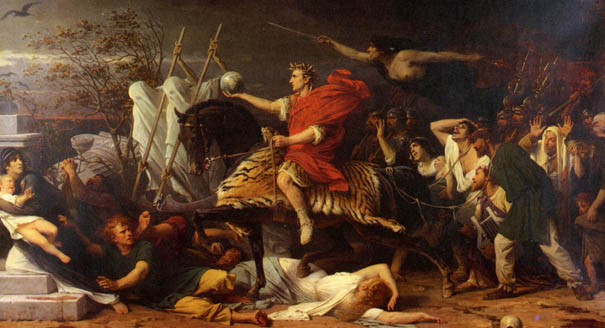
What happens to an authoritarian country that’s left without its leader and the founder of the regime?
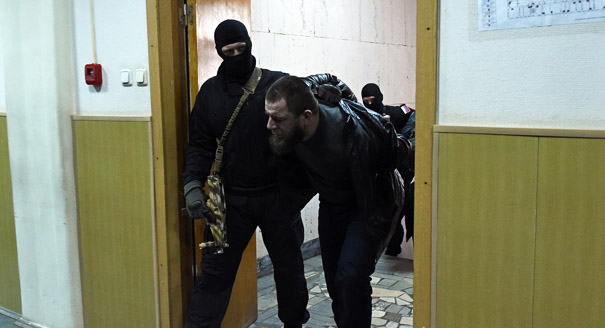
The perpetrators of violence have staked their claim to power, or at least a more active role in formulating the regime’s identity and methods. If we are to assume that the president is not directly linked to Nemtsov’s murder, it seems that someone else wants to push Putin in a more decisive and punitive direction.
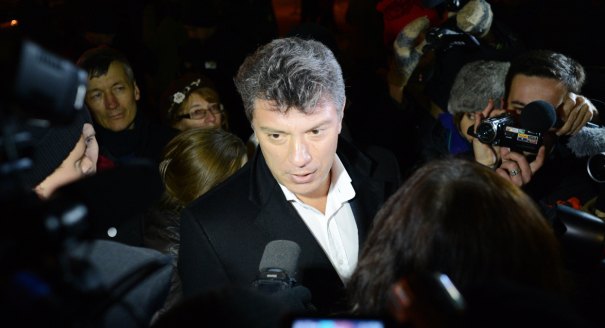
Regardless of who the shooter was and whose orders he was carrying out, a country where a critic of the regime is forced to fear being killed on the street rather than being arrested at a political rally is an entirely different country altogether.
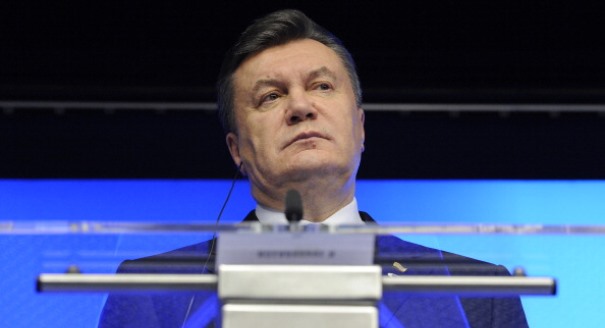
February 22, 2014, Ukraine’s then president Viktor Yanukovych surprised the world by fleeing Kyiv, just after an agreement had been reached with the country's opposition. One eventful year later, Eurasia Outlook asked several experts why they think Yanukovych fled when he did.