Carnegie Moscow Center


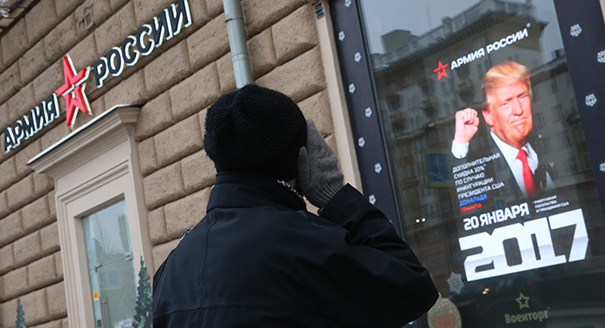
If Vladimir Putin and Donald Trump are able to find a common language of respective national interests, then in spite of the fundamental differences and the unavoidable rivalry, Russian-US adversity may become more manageable. Under the current circumstances, one could call this an achievement.
Dmitri Trenin speaks to the International Relations Committee of the House of Lords on the transformations of power and new developments in the whole Middle East region.
Today Russia and the West perceive each other as political opponents, in fact. And one should treat one’s opponent very seriously. After all, if you don’t take your adversary very seriously, it might lead to underestimating your opposing side’s potential and overestimating your own capabilities.
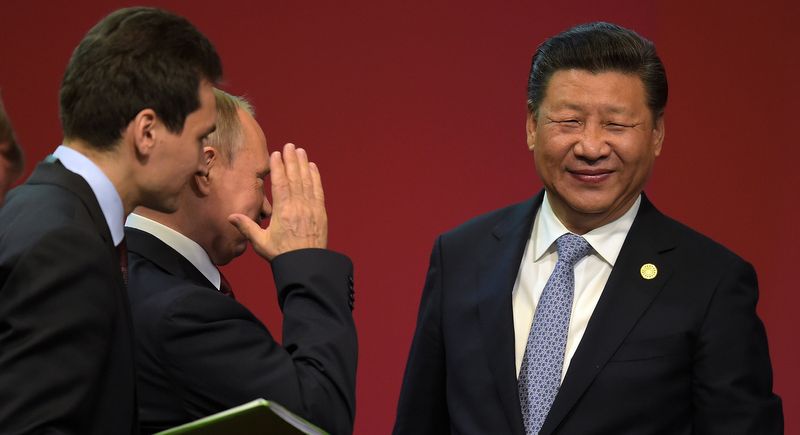
Both China and Russia are led by leaders acting out of the national interest, which should mean that even if President Xi or President Putin will not be able to resolve their differences with President Trump, they will at least speak the same language.

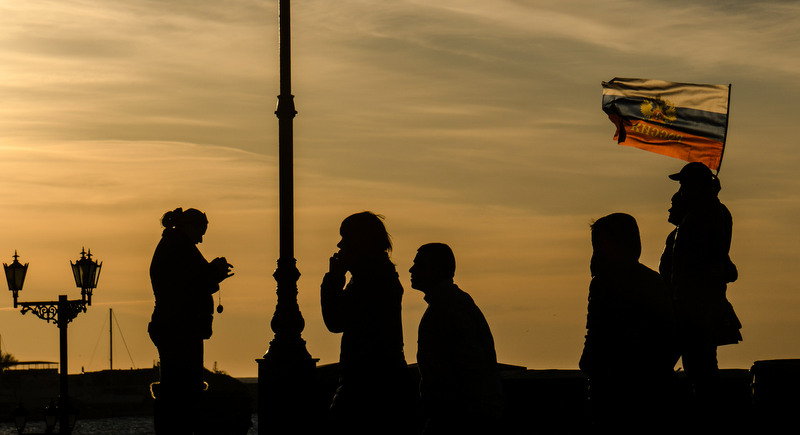
A quarter-century after the dissolution of the Soviet Union Russia has moved away from Europe. Russian leaders regard their country as a self-sustained civilization related to Europe yet clearly separate from it.

Any ideology, not just communist, is a poor guide for foreign policy. Foreign military misadventures result in disappointment at home and loss of prestige abroad.
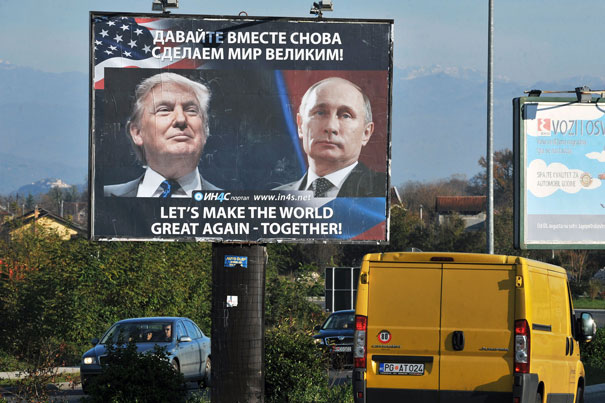
As part of our series looking at what a Trump presidency could mean for the world, Carnegie Moscow Center Director Dmitri Trenin examines what Russia and Russian president Vladimir Putin may want from Trump's administration. (Runtime - 21:21)
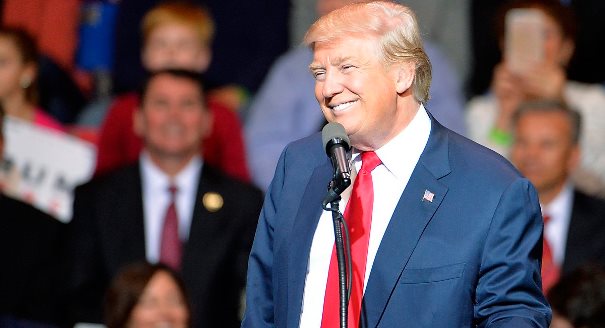
To Putin, Trump is a person who has not exactly had anything good to say about Russia, but has at least refrained from attacking or blaming Russia, which has become the norm in America today.
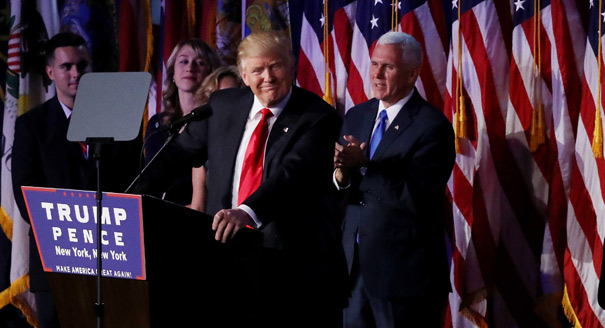
The world reacts to the election of Donald Trump and its potential implications.
Nobody in the U.S. believes that relations with Russia will be improved until the kremlin changes its foreign policy course and stops its political rebellion against the system of international relations, established by the United States.