Carnegie Moscow Center


The United States is still the leading power, yet this dominance is no longer uncontested. This contestation is coming in a big way from China and other countries.
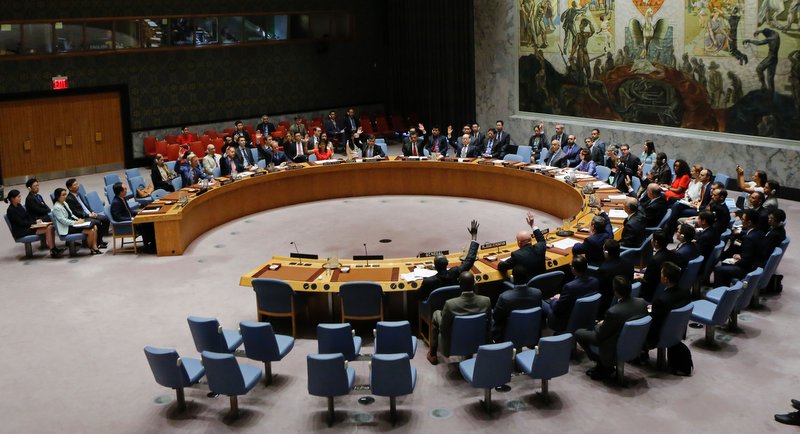
Recent US sanctions against China and Russia are signs of the Trump administration’s toughening approach to North Korea. Ironically, these sanctions come on the heels of a UN Security Council resolution imposing new measures against North Korea that the US, China and Russia voted in favor of.
Russians have become skeptical about a truly global order. At best, interactions with Western countries will be transactional, based on national interests when those happen to coincide or come close.
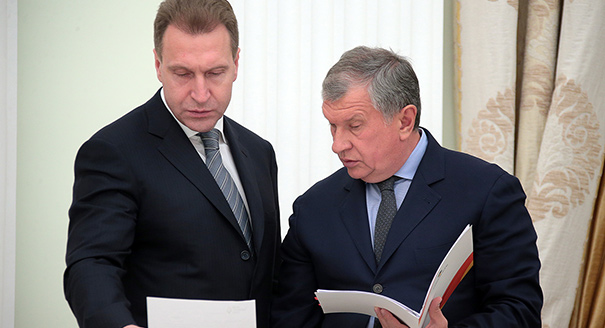
Putin has embraced patriotism and Eurasianism, but Russia must soon confront economic, security, and demographic headwinds, as well as the imperative of reform.
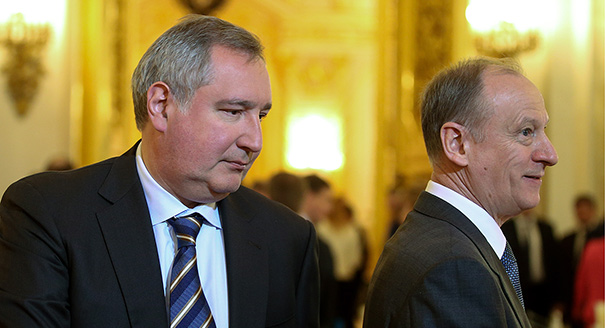
Putin directs a foreign policy devoted to the concept of Russia as a great power. Even if he steps down as president in 2024, Putin will likely continue as Russia’s primary leader for years to come.
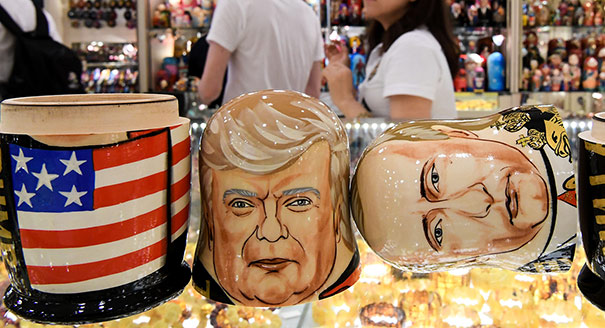
Russia’s foreign policy priorities in the coming years hinge upon solidifying Russia’s great power status outside the post-Soviet space as well as reducing the country’s political isolation.
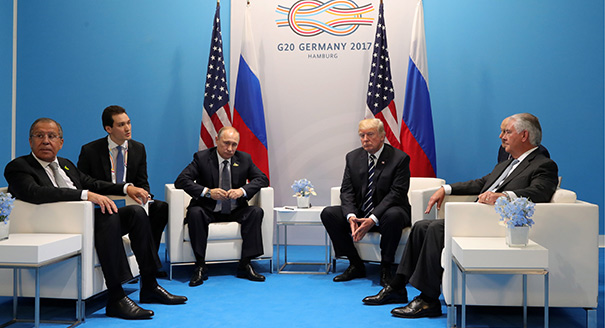
The Russian president’s decision to cull 755 U.S. Embassy employees was not the act of a man ready to give up on relations with the United States.
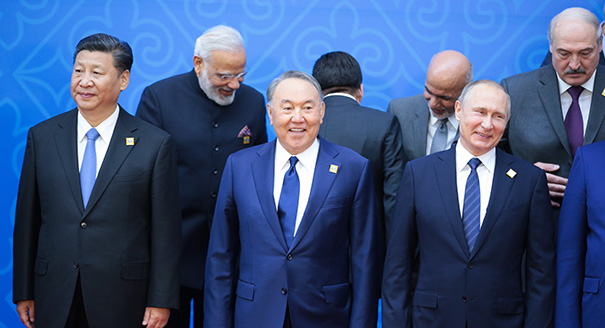
While Russia repositions itself as a stand-alone power in the north-central portion of the world’s largest continent, its leaders are seeking to create a distinct national entity amid a vast and highly diverse neighborhood.
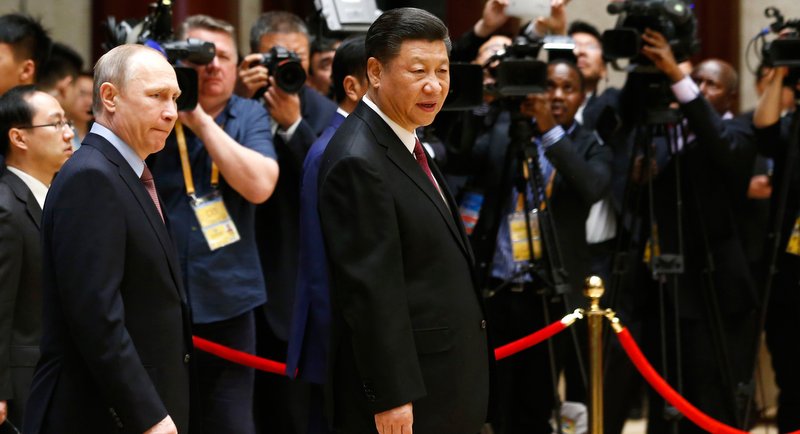
It is not enough for China and Russia to work to reduce US dominance in “the grand Eurasian chessboard.” They have to work on a new continental order that other countries, not just the two of them, would find an improvement over the current situation.