Carnegie Moscow Center



Going forward, Xi, Putin and the next US President will be largely responsible for the state of the world. China's and Russia's leaders will not only work closely with each other, but also learn from each other, in economics as well as in politics.
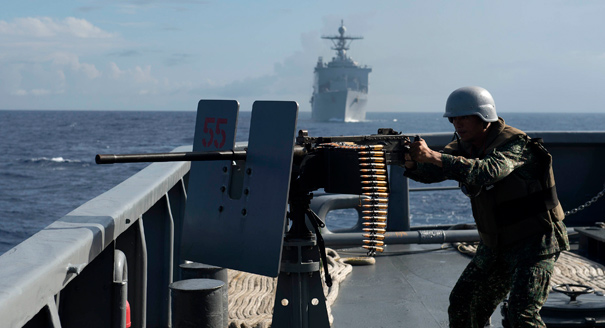
What Russia may seek in the long term in Southeast Asia is a position of a respected and seemingly disinterested outside power helping maintain an equilibrium in a potentially highly volatile region.
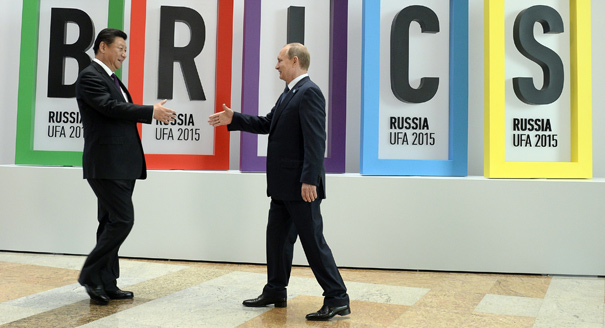
Before India and Pakistan enter the SCO, Russia and China should make an effort to help them prevent future conflicts. Failing to help manage the relationship now carries a serious risk for the entire SCO project started by Beijing and Moscow 15 years ago. So, China and Russia owe it to themselves to begin defusing tensions between their partners.
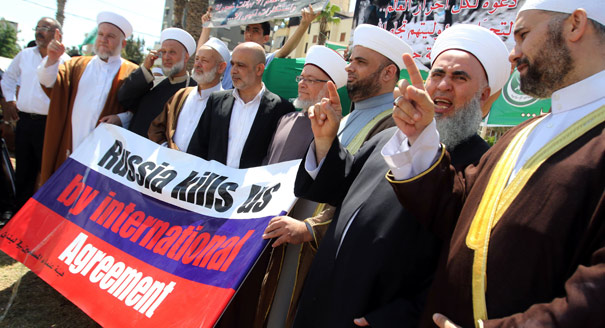
So far, Moscow and Washington have proved incapable of ending Syria’s civil war. But a settlement is impossible without them.
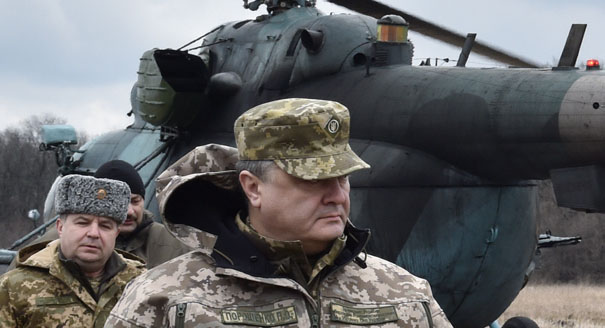
The most likely scenario for eastern Ukraine is that a low-level conflict will continue to simmer. Moscow needs to give up its pipe dream that a pro-Russian government will come to power in Kiev, and forget its convenient but misleading stereotypes about its large neighbor.
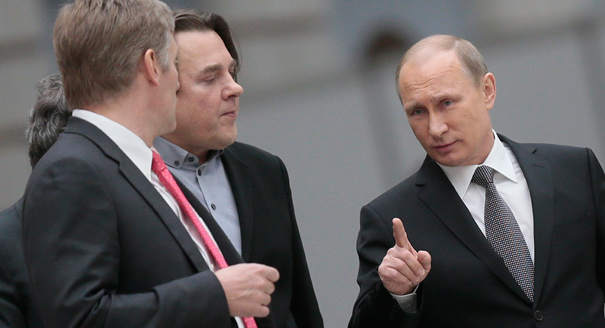
Modern western leaders might wish to consider that, in the end, what killed the Soviet system was not Reagan’s Star Wars, or even the scarcity of goods in the shops. What actually did it was the loss of public faith in the domestic political system. So, improve or beware of exposure.
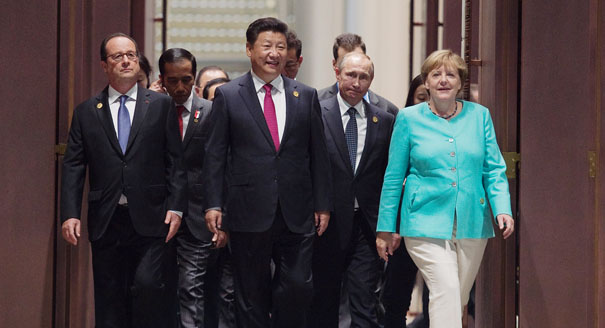
Chinese and Russians now better understand both the potential and the limitations of their relationship. They need to move ahead on concrete issues, making sure that what is agreed upon at the top actually gets implemented.
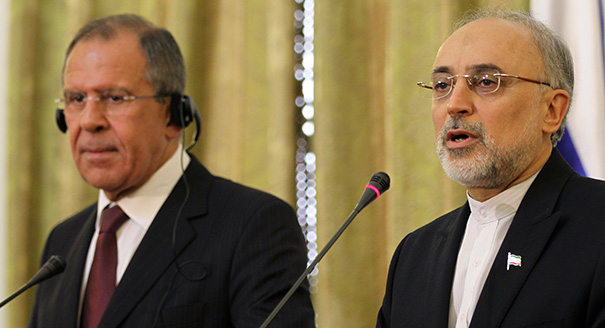
Moscow’s relations with Tehran are currently much more cooperative than competitive, although the two countries’ foreign policy goals don’t always align.
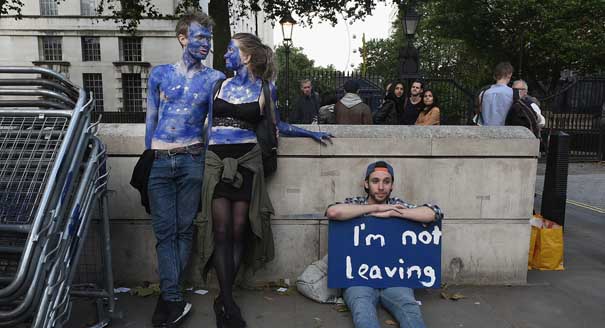
What is the worst and dangerous for Russia is the feeling of self-assured satisfaction and perception that it is a great, powerful and invincible country with unlimited resources. It can lead to another stagnation.
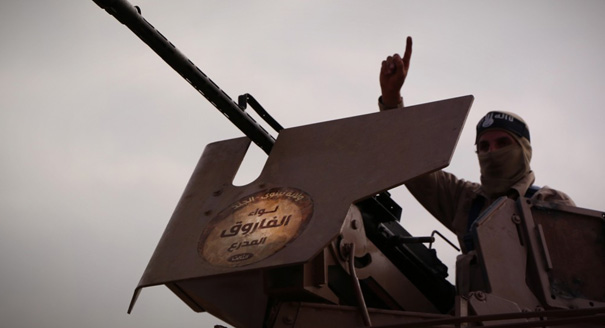
Even as Russia is again engaged in a confrontation with the West, it is confronted by very real threats coming from the south.