Carnegie Moscow Center


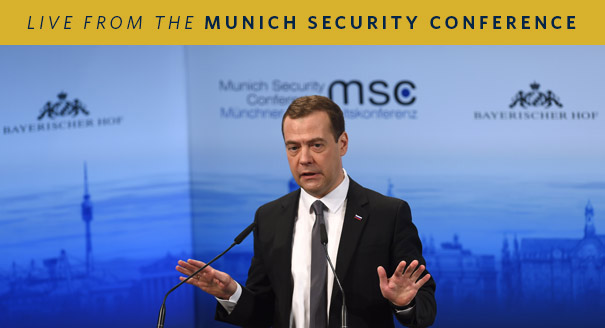
The current confrontation between the West and Russia will continue. Within that confrontation, however, a degree of cooperation is possible.
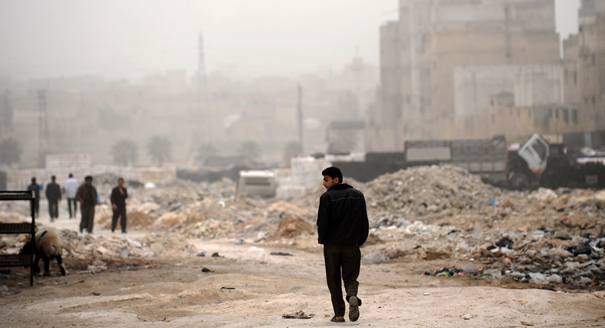
In the Middle East, it is the regional actors that are at the forefront. They are calling the shots—literally. And they are yet to learn the fine art of co-operation alongside confrontation.
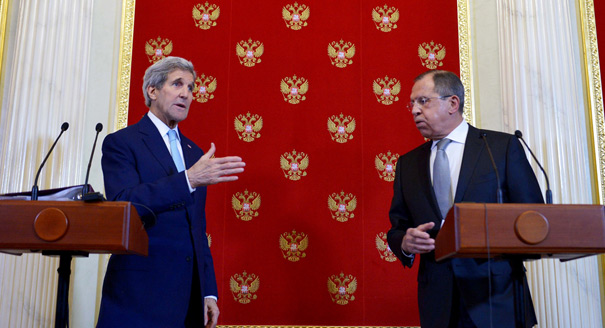
The main challenge of foreign policy expertise both in Russia and in the United States is to understand where the other country is coming from. The challenge to the U.S. is to be able to go beyond the ideological stereotypes. For the Russians, there is a clear need to do more serious research on the United States.

In the middle of a prolonged confrontation with the West, Russia cannot revive its Western-oriented or Eurasianist foreign policy concepts. In foreign relations, crisis-avoidance mechanisms must be the priority while Russia seeks a new strategic concept. That rethink must be underpinned by domestic reform; otherwise, the Russian state could share the fate of the Romanov regime in World War I.
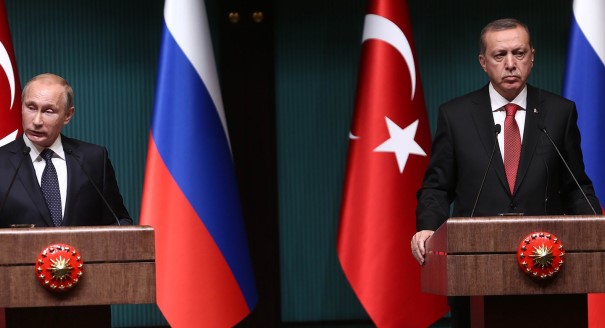
The political rupture between Russia and Turkey is unlikely to heal as long as Putin and Erdogan are in power. The conflict between the two countries may not have killed the resurgent diplomatic push to end the Syrian crisis, but it has definitely complicated it.
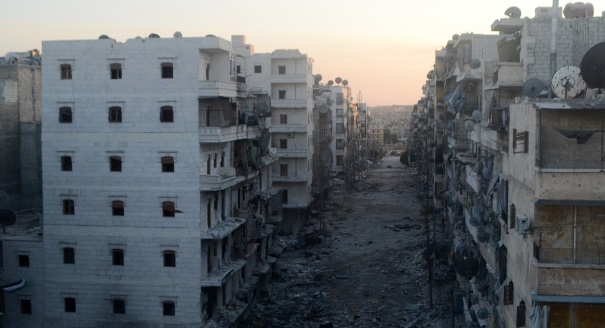
Shoring up the Assad regime and killing jihadi fighters are not the only objectives that Russia is pursuing in Syria. Moscow’s intervention is as much about Washington as it is about the Islamic State.
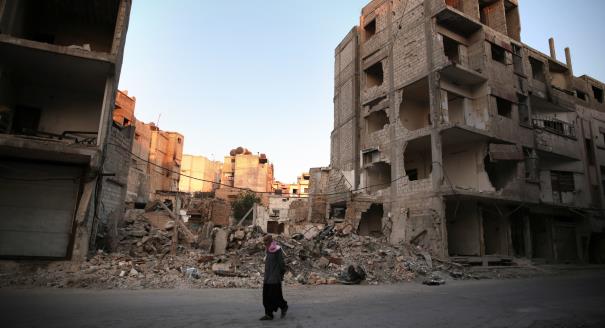
The world powers agree that the Islamic State must be defeated, even though they disagree on how to do it. In spite of Washington’s anger with Russian activism in Syria, a degree of coordination is advisable.
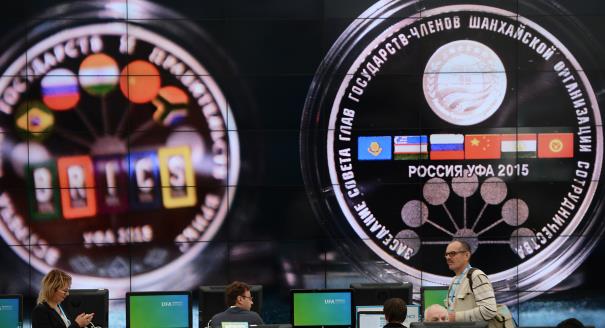
Today, reaching out pro-actively to the non-West is the only realistic option for Moscow. It should view its role as an economic resource base, a diplomatic adviser, and a defense arsenal of the emerging community of the non-West.
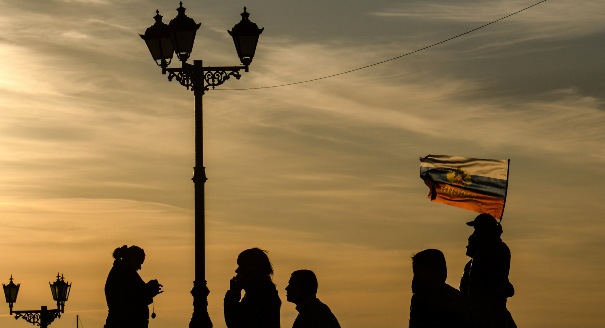
Divisions exist among major nations about how to approach Putin, and his isolation is anything but watertight. At the same time, the Russians themselves are no less defiant of what they see as U.S. global domination.
Rather than thinking about some grand architecture for the future, all sides of the current Russian-Western conflict should step away from the brink.