Carnegie Moscow Center


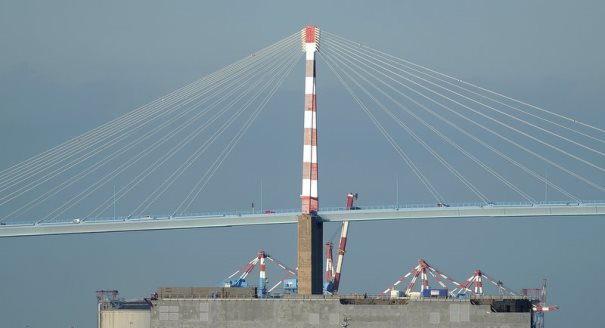
Russia’s “pivot to Asia” is meeting with a number of challenges, such as bureaucratic inertia, lack of workable ideas, and high levels of corruption. However, there are ways of dealing with all of them.
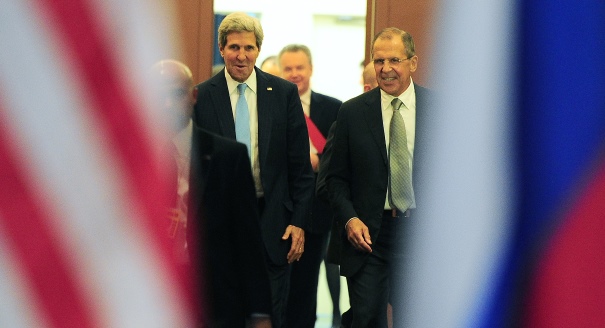
There is little chance of moving U.S.-Russian relations out of the current crisis, due to fundamental differences in how both nations view the world. The best people can hope for is that the more dangerous path will not be taken.
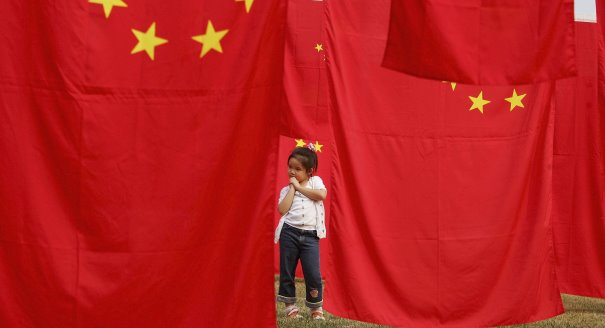
A Greater Asia, stretching from Shanghai to St. Petersburg, could transform the entire continent of Eurasia and have a significant impact on the global balance of power.
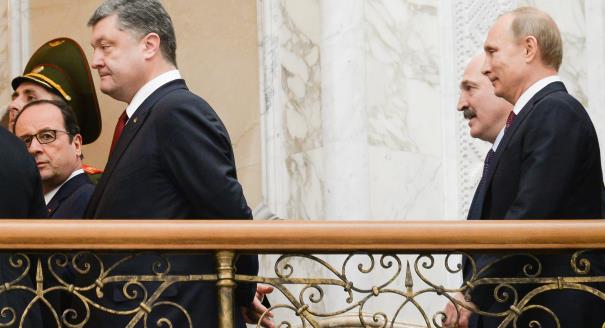
Ukraine and the global crisis over it point to the start of a new period in world politics. Great powers—Russia overtly, China covertly—are challenging the U.S.-dominated order. Also, in the foreseeable future, there will be no common security system in Europe.
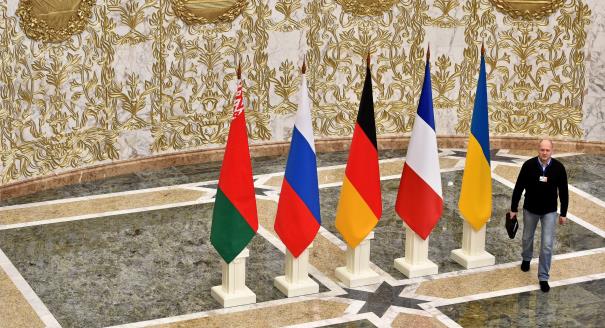
The new Minsk agreement will not necessarily prevent further escalation, but it might postpone it. The world should work hard to make sure that the shaky truce does not founder, leading to a broader war.

Western leaders’ recent attempts to assure a diplomatic resolution of the Ukraine crisis may come to no avail. Is it possible to restore the peaceful, European status quo amidst such rapidly growing East-West animosity? Eurasia Outlook asked Carnegie’s experts to share their thoughts.
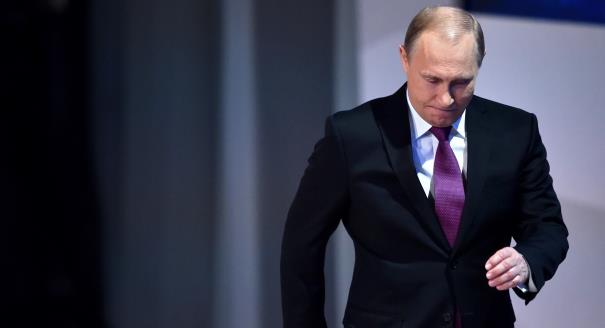
Through its actions in Ukraine, Russia wants to consolidate its new strategic perimeter without being drawn into a full-scale war.
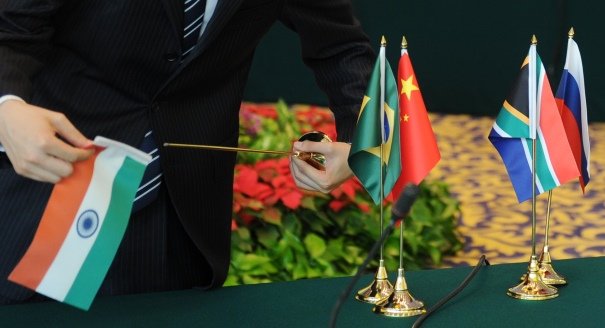
By hosting the seventh summit of the BRICS group, Vladimir Putin will demonstrate to the Russian people and the world that his country is anything but isolated.
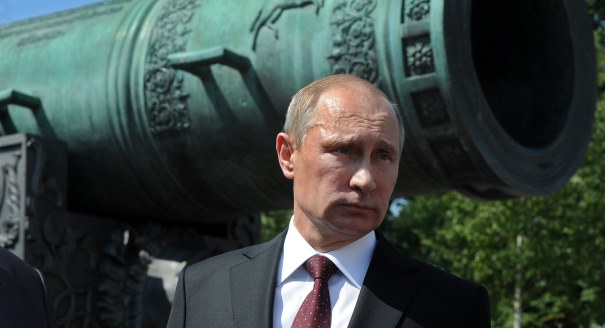
The year 2014 ended the period of cooperation between Russia and the West. A new period has begun, marked by rivalry and competition. At the same time, Russia has been seeking ways to strengthen ties with leading non-Western powers.
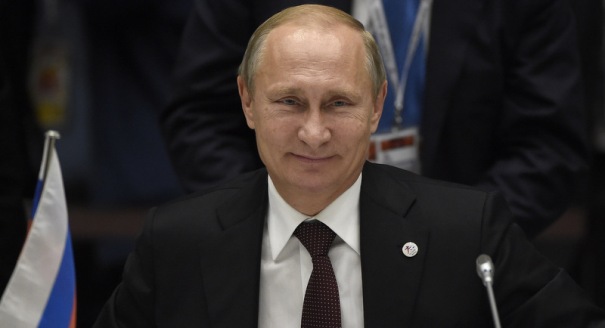
To escape the analogy of a revolution, Vladimir Putin must rise above the rapacious elite, and to avoid being overthrown, he must replace it.