Carnegie Moscow Center


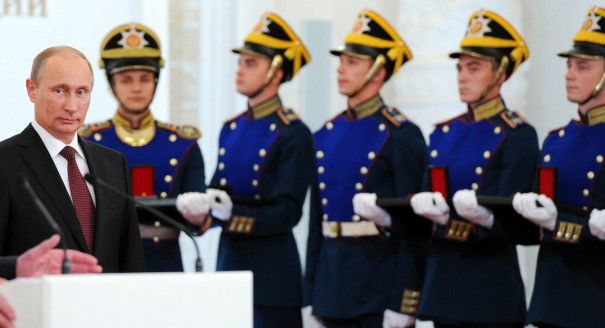
Even a threat like Islamic terrorism won’t force Russia and the Unites States to make security collaboration a higher priority than geopolitical rivalry over Ukraine.
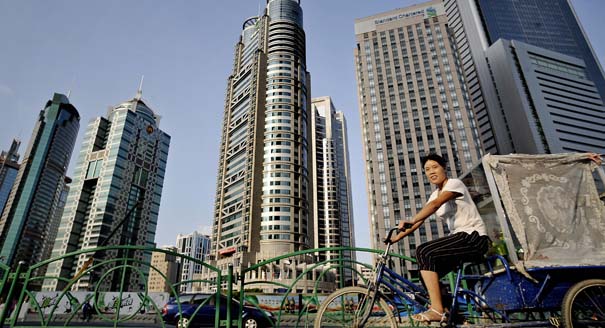
The apparently long-term rupture of Russia’s relations with the West offers an opportunity to China to enhance its already close relationship with the Kremlin and thus turn the global geopolitical balance in its favor.
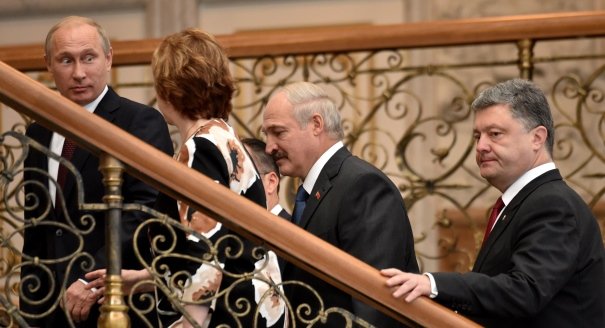
Berlin is critical to any future settlement of the Ukraine crisis. It is too difficult to reach a deal on the settlement, but the absence of any deal deemed minimally acceptable to all sides would steer Europe toward an abyss.
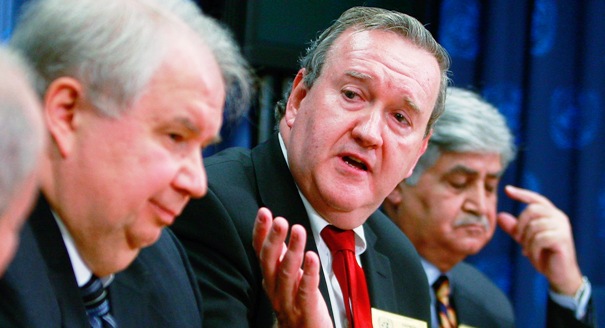
John Mroz, who died earlier this month, was the founder of the EastWest Institute, a novel concept of a “think and do tank” which sought to organize Track 2 and Track 1.5 discussions across the Cold War divide. Mroz has departed precisely at the moment when the need for his services has peaked again.
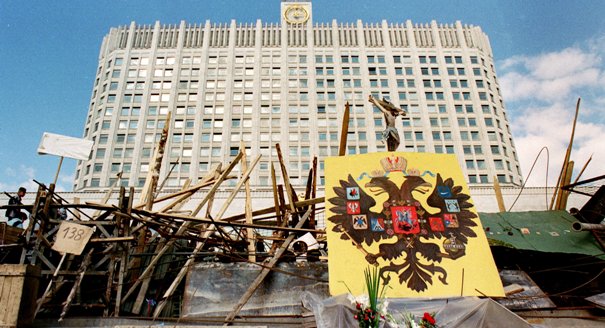
Under Putin, it seems that there will be no more celebration of the end of Communist rule: the price paid for it is now deemed to be too high.
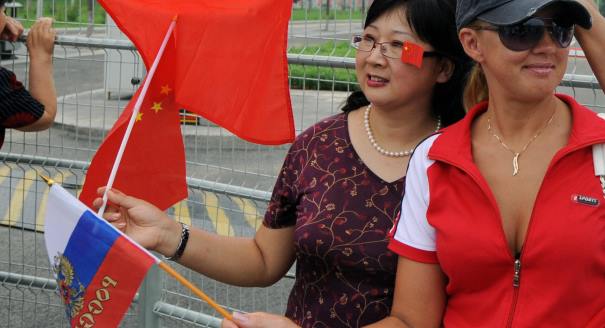
Russia’s efforts to find an acceptable place for itself in the U.S.-led Western system have ended in a bitter disappointment. The changing trading patterns point to a new era in Moscow’s foreign relations, in which Sino-Russian relations will be taking center stage.
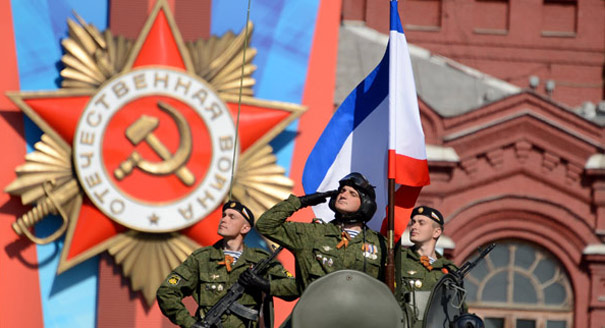
The Kremlin’s revamped national strategy has important consequences for Russia’s neighbors, especially the EU.

While Kiev is desperate to achieve a full military victory almost at any cost, Moscow is reaching out with humanitarian aid, confusing and confounding its opponents. As to the war there, it still continues.
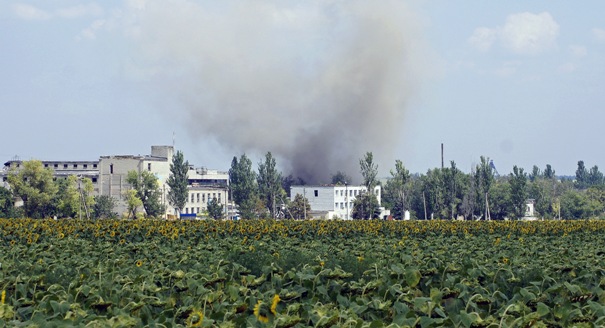
While European mainstream media’s focus has been on the developments in Gaza and in northern Iraq, they have been giving only scant attention recently to the humanitarian situation in eastern Ukraine.
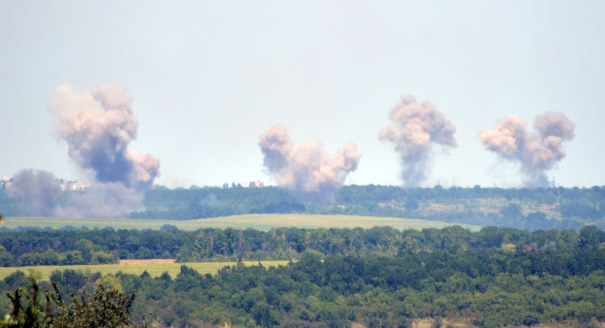
Prudence dictates that Russia should not invade Ukraine. However, if Putin decides differently, the Ukraine crisis will immediately become a Russia crisis, and then a European one.