Carnegie Moscow Center


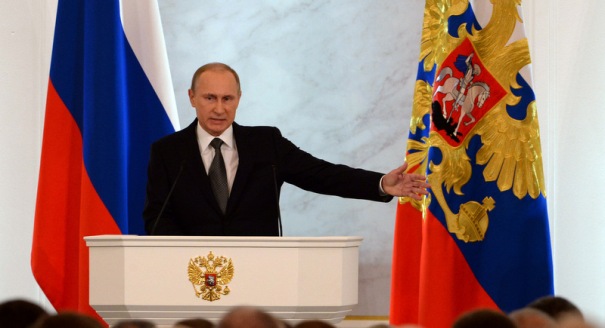
Vladimir Putin’s annual address to parliament on December 4, 2014 has laid down the Kremlin's medium-term strategy. The next four or five years will be very difficult if not critical for Russia, and the Russians, in Putin’s view, absolutely must meet the challenges and win.
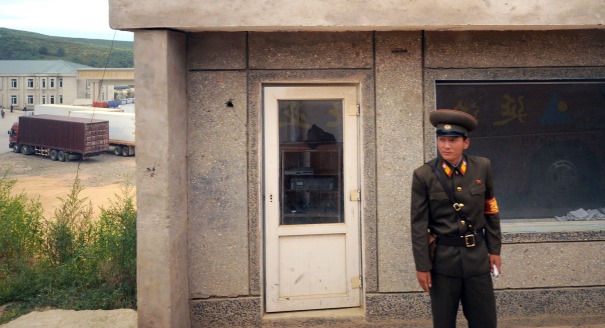
By reactivating its policy on Pyongyang, Moscow is sending messages to Seoul, Tokyo, Washington, and Beijing, which should be properly understood.
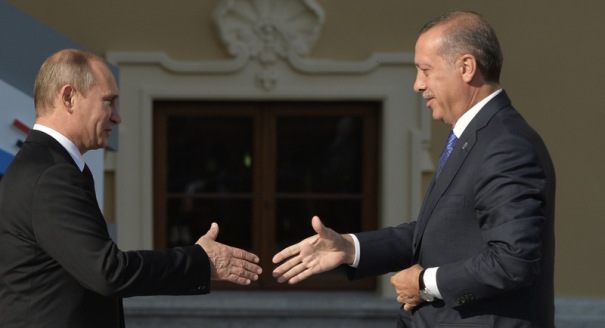
In view of Russian President Vladimir Putin’s visit to Turkey, Eurasia Outlook asked a few of the authors of the recent paper on Russian-Turkish cooperation what to expect from this visit.
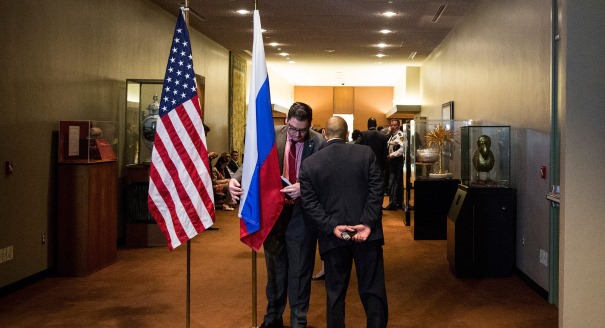
Ukraine is not a cause, but a symbol of the serious and deepening crisis between the United States with its allies and Russia. As this crisis may become a permanent state, it is time for permanent crisis management.
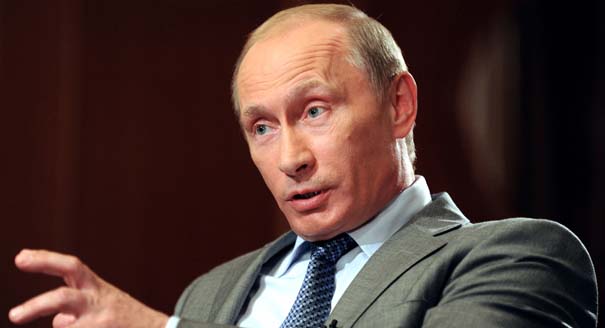
Russia, while a truly independent player, is not an equal of the world’s high and mighty. However, Putin has a chance to elevate Russia. He should use his immense political capital to embark on the hard path of modern nation-building.
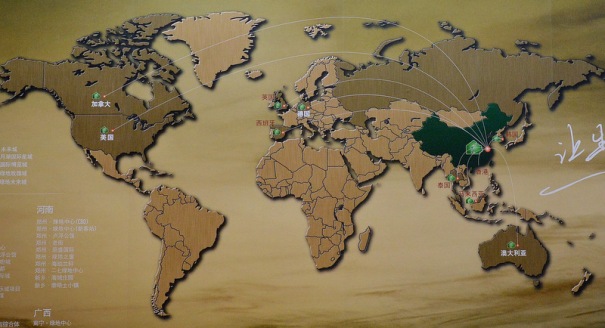
Regionalization may indeed be the future or at least the new stage of globalization. Competition among the super-regions, in this scenario, will become the essence of global geoeconomics and geopolitics.
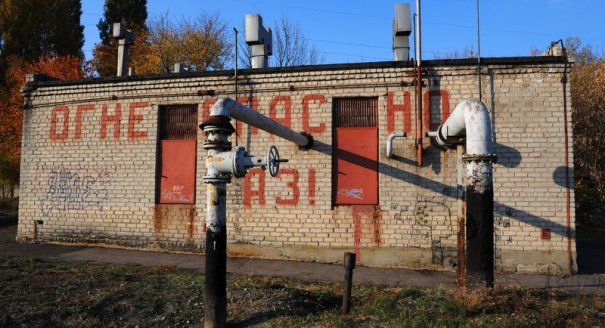
If Ukraine is allowed to become a failed state, the consequences for Europe will be serious, even dire. Making sure that Ukraine keeps itself warm this winter is an absolutely necessary step.
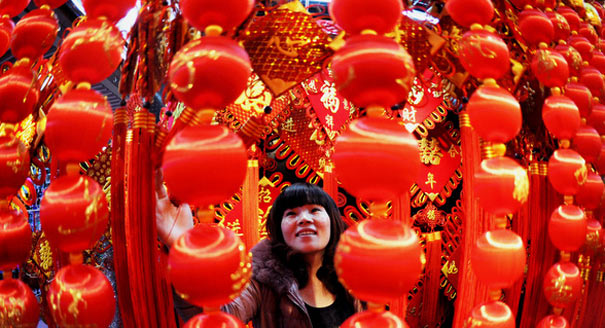
Rather than “replacing” Europe with China in its foreign policy universe, Russia would be wise to develop its relations with Beijing closer to the level of the very thick ties which link it to its Western neighbors.
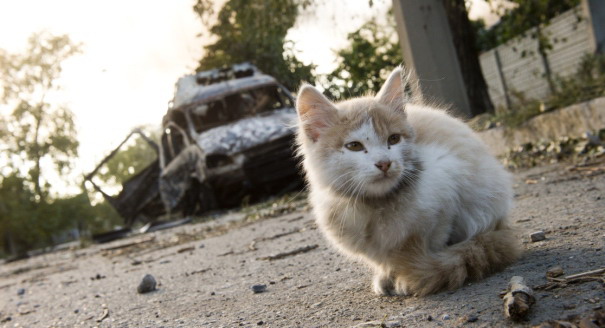
The main players in the Ukrainian crisis must take urgent steps to avoid the danger of a big war.
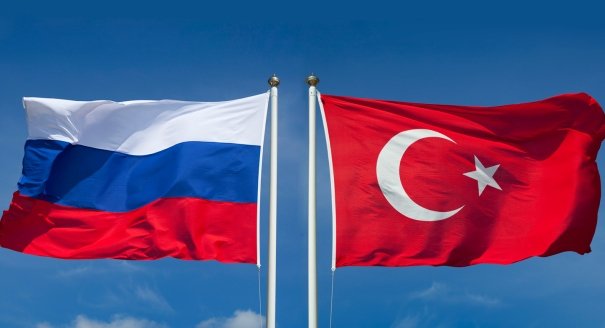
Even though tensions over Ukraine will inevitably cast a shadow over the bilateral relationship, Russia and Turkey—a NATO member—continue to share a range of important interests.