Carnegie Moscow Center


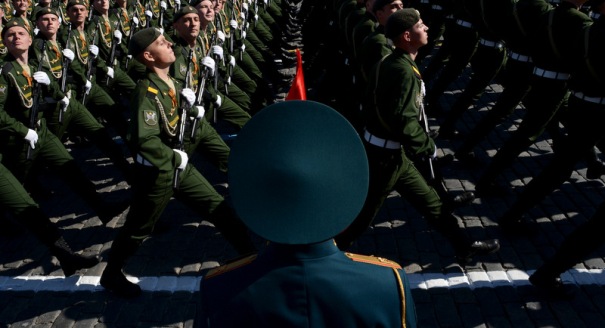
A book by the younger authors from the Moscow-based Center for Analysis of Strategies and Technologies (CAST), Brothers Armed: Military Aspects of the Crisis in Ukraine, takes stock of the changes wrought in the Russian military organization and also analyzes the operation of the Russian forces in the current crisis in Ukraine.

Throughout the year, Eurasia Outlook has been trying to bring to your attention a variety of views from across the vast region on the region itself. At the beginning of 2015, we are taking a customary holiday break. We will be back on January 12.
For the Russian economic and political system, as well as for the country’s foreign relations, the current economic crisis is an existential one. Russia will exit from it in a very different form from what it is today.
For over two decades, no one in the West felt the need for regulating Russia’s relations with NATO. The lesson of the Napoleonic wars about the need to integrate a former adversary—which was forgotten after WWI—has been forgotten again.
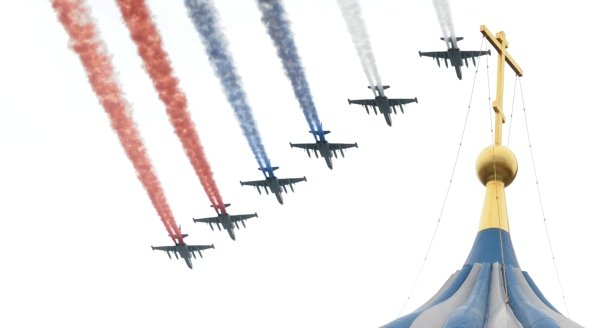
As one of his final acts in 2014, President Putin signed on December 26 the country’s new military doctrine. The new doctrine makes it clear that even if the West is not officially an adversary, it is a powerful competitor and a bitter rival, a source of most of military risks and threats.
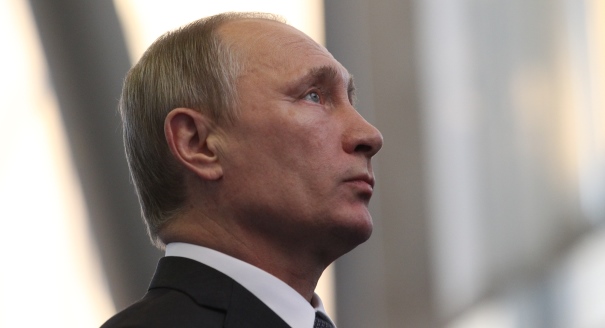
In 2014, Russia broke out of the post–Cold War order and openly challenged the U.S.-led international system. Moscow’s new course is laid down first and foremost by President Vladimir Putin, but it also reflects the rising power of Russian nationalism.
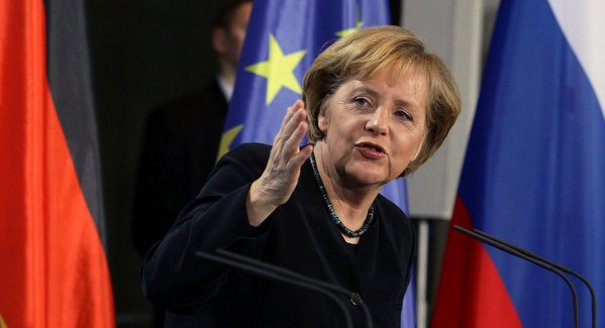
Many in Russia believe that the EU sanctions appeared as a result of the Ukrainian conflict and pressure from Washington. In fact, the reasons for the current deterioration in Russia’s relations with Europe are far more profound. But this does not mean that another—European—front in Russia’s confrontation with the West has now been opened.
Who are our experts? A behind-the-scenes video series.
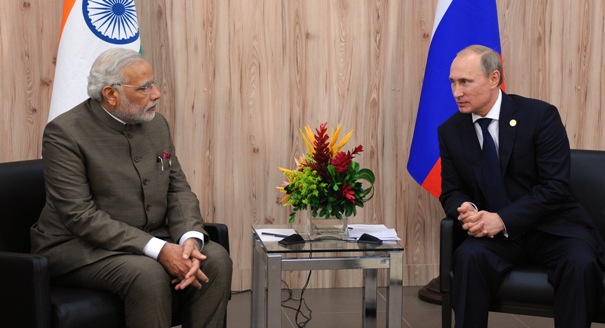
It appears that Vladimir Putin’s visit to India will not lead to a breakthrough in Russian-Indian relations. If nothing is done soon following his visit to materially upgrade the relationship, its stagnation will become qualitative, not just quantitative.
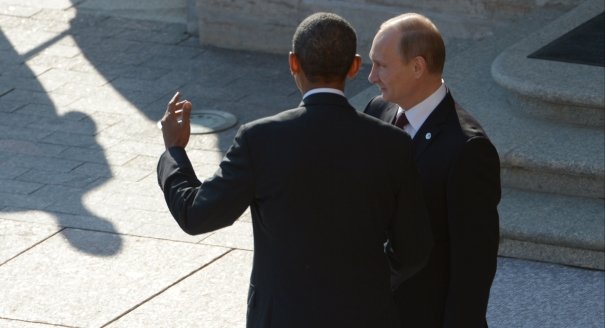
Russia and the United States have entered a period of severe confrontation. Caution, sober calculations, and strategic vision of possible international developments are necessary in the present circumstances.