Carnegie Moscow Center


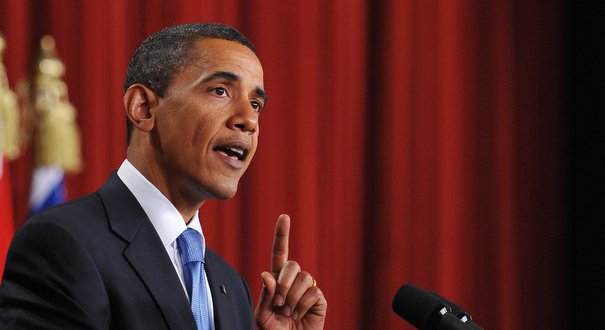
Syria demonstrates the new limits of U.S. power. The international legality of the threatened military action matters to Obama perhaps more than it ever mattered to his predecessor.
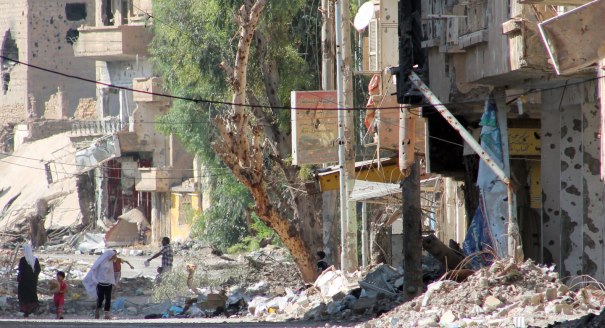
A strike against the Syrian government continues to look likely. What is less certain is what kind of strike, with what aims and what sort of strategy, and whether such a strike would put the Syrian conflict onto a truly regional level.
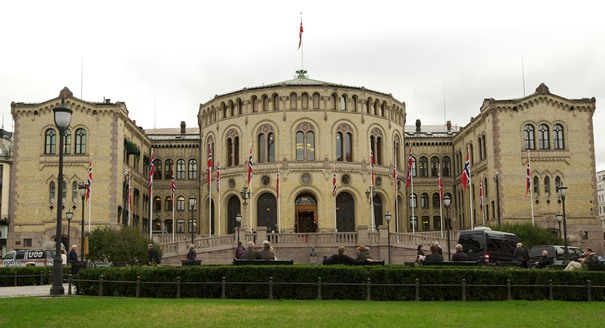
Norwegians are anything but paranoid about Russia. Rather than dealing in stereotypes, they are engaged in deep and extensive research of their neighbor.
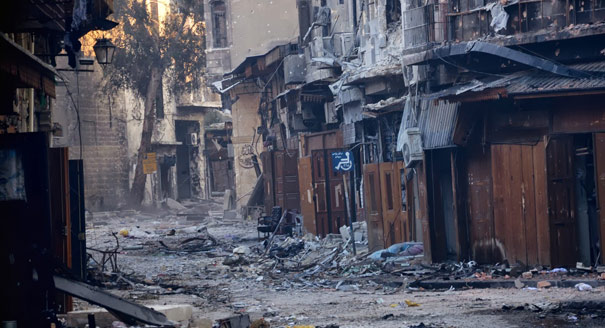
The situation in and around Syria is remarkably different from the Balkans in the 1990s. There will be multiple reactions to the U.S. actions in the region and beyond, and massive unintended consequences.
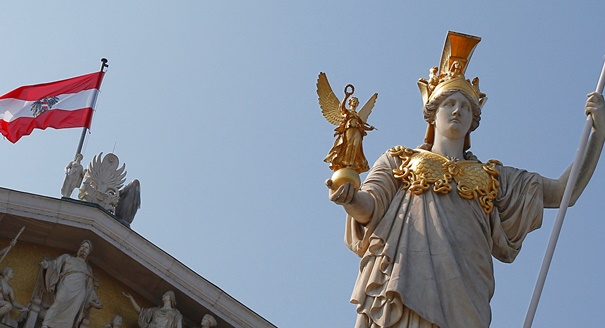
Austria is on the lookout for a distinct international identity. The ministers are seeking to expand the bridge-building function which Austria has traditionally served between Europe’s east and the west.
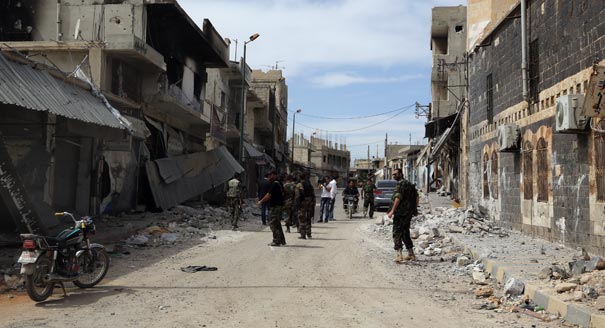
Over the past 30 months, Syria has become a place where Moscow and Washington have been pushing hard for their very different concepts of international order. For the first time since the first Gulf War over two decades ago, Russia is actually checking U.S. power in the Middle East.
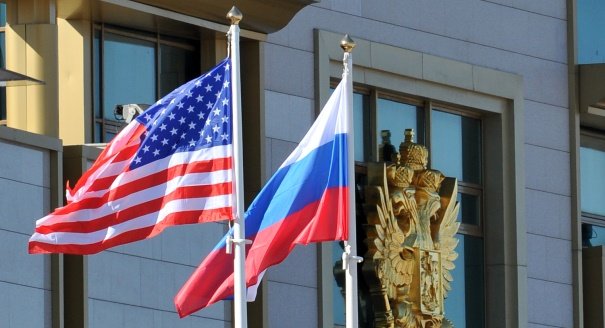
U.S. President Barack Obama’s cancellation of the summit with Vladimir Putin is a turning point in U.S.-Russia relations. Obama, who once told the Russians he would be more flexible after the elections, has proven to be the opposite.
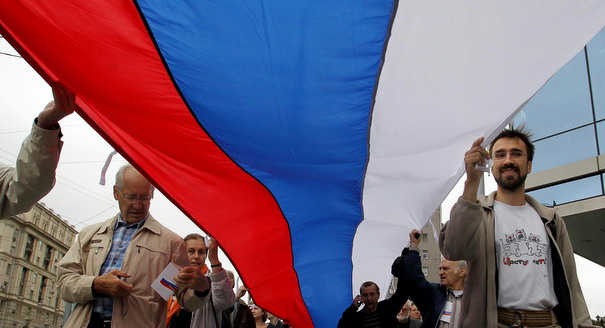
Russia is still a country without a nation. Nation-building from above is reduced to symbolism and will not succeed. Time has come for round tables of representatives of various interest groups and ideologies to start the process of nation-building from below.
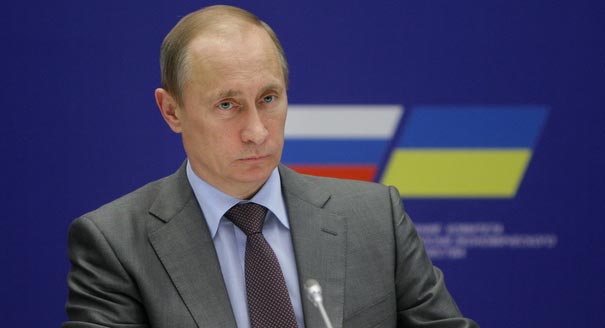
By shifting gears abruptly from professions of eternal brotherhood with the Ukrainian people to what amounts to a trade war, Vladimir Putin effectively works at cross-purposes with himself.
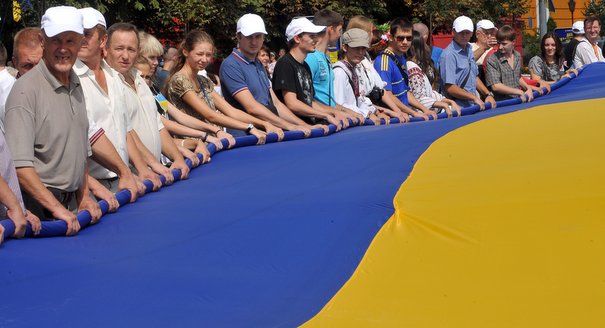
Ukraine is facing a choice: join with Russia, Belarus, and Kazakhstan to form a Eurasian economic union, or associate itself more closely with the European Union. The Eurasian option carries strong emotional overtones of rich shared legacy and promises immediate economic benefits. The European option offers an association and “deep free trade” with the world’s biggest and richest economic entity.