Carnegie Moscow Center


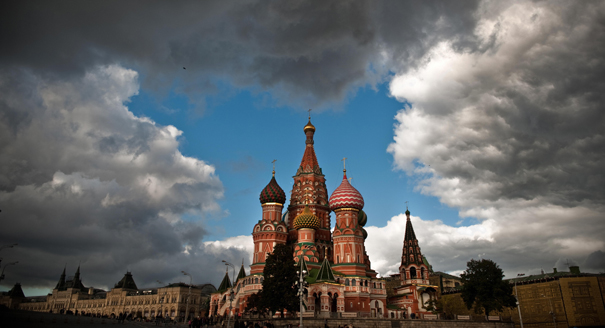
Twenty years after the fall of the Soviet Union, democracies need to develop a new model that fosters civic duty and responsibility in their citizens and takes a more global perspective on leadership in the modern world.
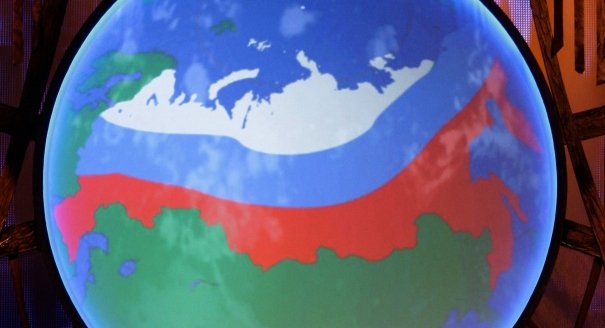
Eurasia today is much broader than two decades ago, but it is also more interconnected. In this new environment, Russia should define its post-imperial role in ways that are appropriate for the 21st century.
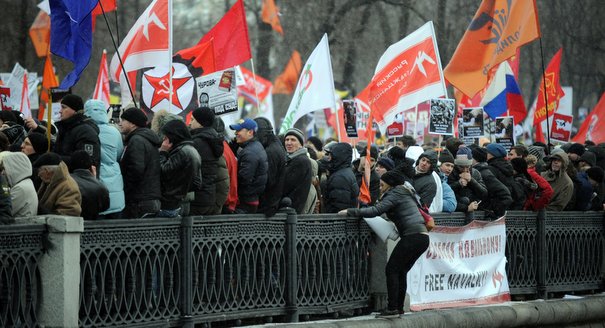
The recent rallies in Russian cities may indicate that, twenty years after the dismantlement of the Soviet Union, post-imperial Russia is beginning to emerge as a nation.

Tens of thousands of Russians took to the street in protest over voter fraud allegations in the country’s parliamentary elections. It remains to be seen what this public response and the election results will mean for the country’s future.
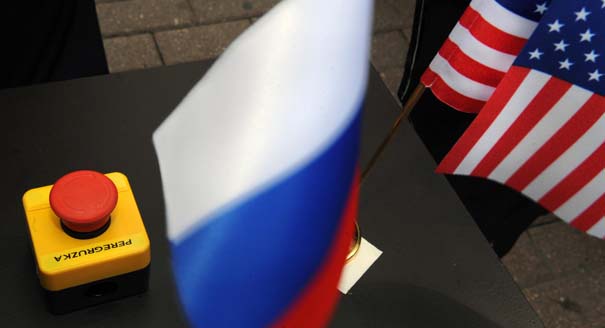
Missile defense continues to be a potential game changer in the often strained strategic relationship between Washington and Moscow.

Beijing and Moscow’s opposition to Western initiatives may seem like solidarity between two authoritarian governments or a coordinated effort to dilute Western domination of global politics, but the reality is far broader.
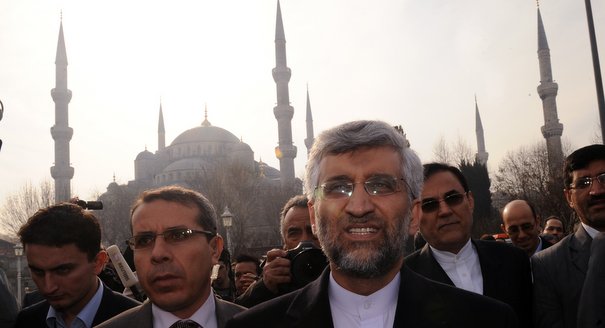
With the release of a new IAEA report on Iran, leaders of the world’s countries should examine the consequences of two possibilities: a war between Iran and the United States, or Iran turning into a small nuclear power. An alternative in which Tehran stops at the nuclear threshold seems less realistic at the moment.
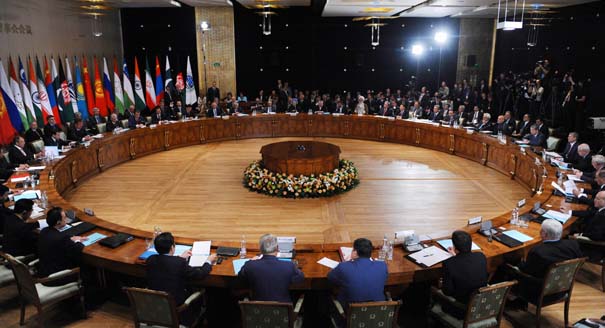
There is space both for economic cooperation and competition among the Shanghai Cooperation Organization member countries, all of which could benefit from more trade and investment.
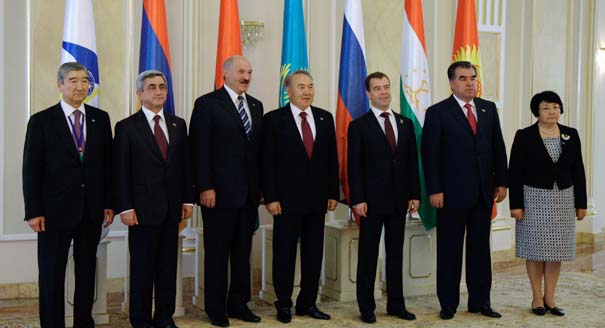
Vladimir Putin’s plans to create an economically integrated Eurasian Union could give Russia an opportunity to become a real regional leader, so long as Eurasian economic is voluntary and Moscow’s partners do not see the process as an attempt at political domination.
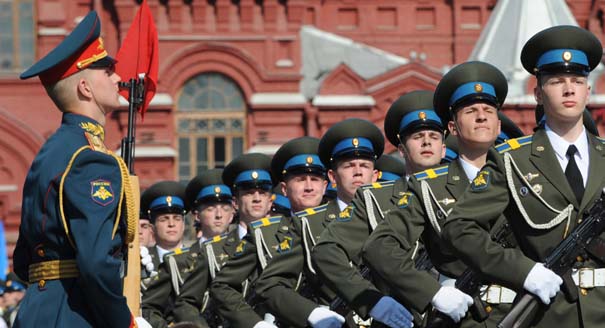
Russia is no longer an empire, but it is not yet a nation-state either. To be seen as a great power in the twenty-first century, it has to reform its institutions and economy and become a great country.