Carnegie Moscow Center


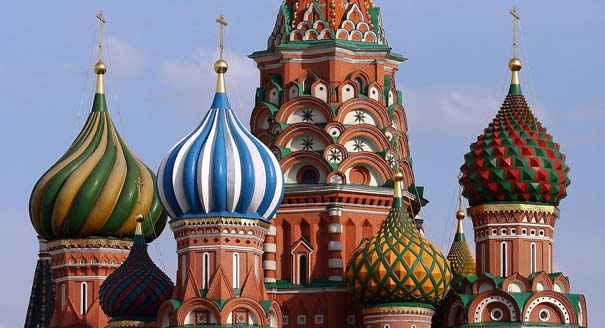
While Russia is still an important global strategic player, thanks to its oil and gas reserves and nuclear arsenal, it lacks the will and the resources to enact a return to the Russian empire.
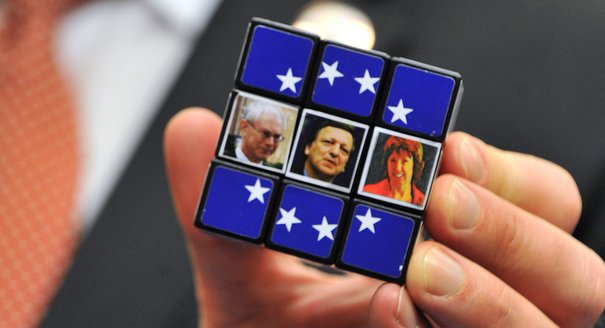
Europe must think and act in a unified strategic manner if it wants to save its struggling currency and strengthen its military and government capabilities.

British Prime Minister David Cameron’s visit to Moscow resolved few of the fundamental issues afflicting UK-Russian relations. Yet by moving the relationship on beyond politics, the visit proved to be a rather useful one.

One year after 9/11, seventeen Carnegie experts assessed the significance of the attacks and their aftermath. Ten years after 9/11, the same Carnegie experts revisit their original findings and analyze the impact of the historic moment.
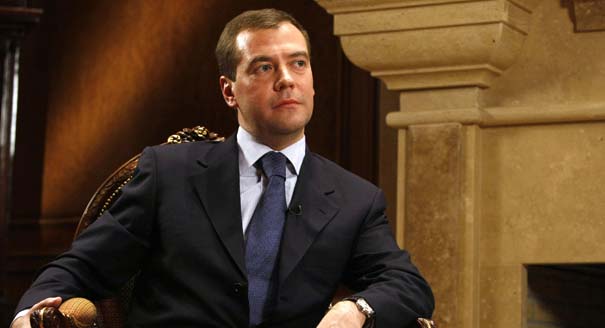
Moscow’s evolving policies toward the Nordic-Baltic region are an important part of Russia’s larger approach to Europe and the Atlantic community.
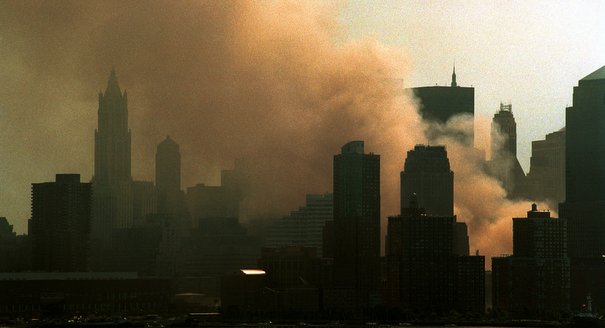
A decade after September 11, terrorism has not undermined the foundations of modern society, but it has forced people in Europe and America to take a closer look at Islam and has helped draw people in the Arab countries into the global processes.
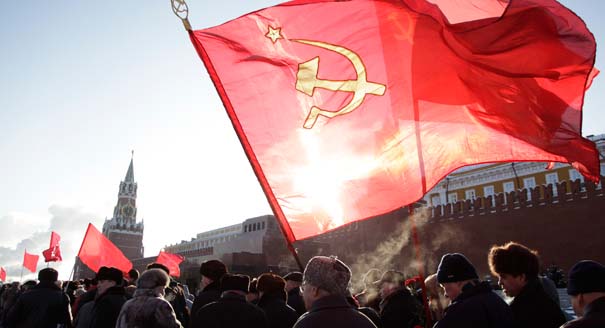
Twenty years after the disintegration of the Soviet Union, Russia’s disinterest in its former empire has been matched by the other former Soviet republics distancing themselves from the former imperial center.
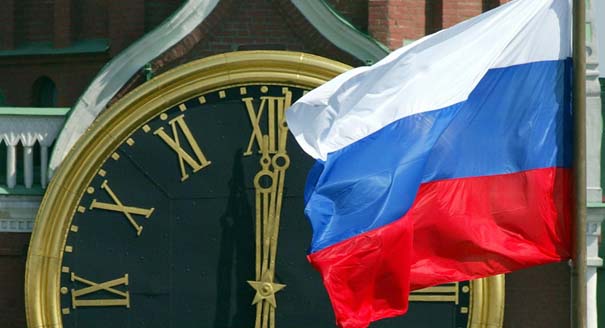
Twenty years after the end of the Soviet Union, Russia lacks a responsible and accountable government and is missing a shared sense of nationhood.
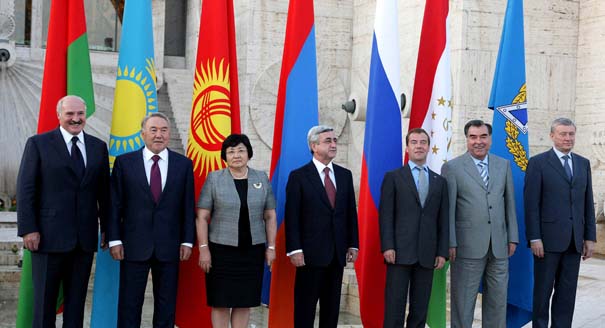
The 20 years that have passed since the Soviet Union’s collapse have shown that the former Soviet republics are capable of developing and strengthening their independence and economy, as well as integrating into global and regional processes, even as Russia continues its transition from an empire to a great power.
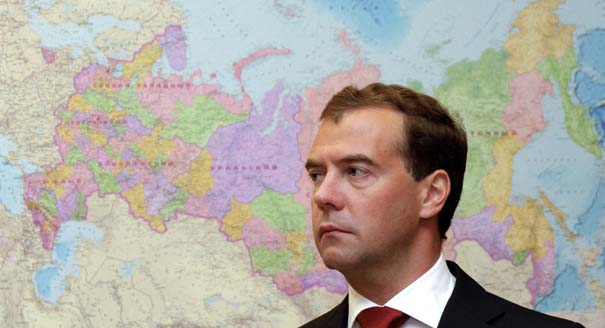
Russia’s recovery from the global economic crisis has been slow, constrained by a number of economic and political structural problems. Until they are resolved, these issues will continue to hinder Russia’s development.