Carnegie Moscow Center



Moscow’s reaction to the current upheaval in Egypt demonstrates the dramatically changed nature of Russian relations with, and presence in, the Middle East.
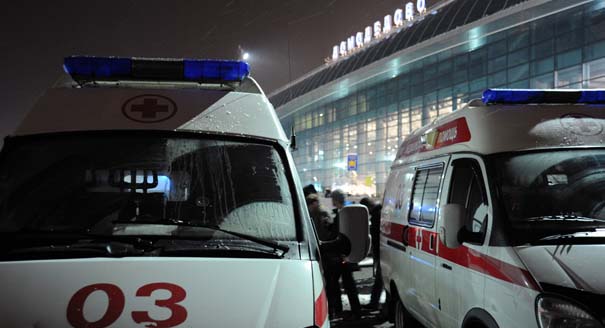
Jihadists in the North Caucasus, spurred by widespread poverty, mass unemployment, and rampant corruption, are likely behind the recent suicide bombing at Moscow’s Domodedovo airport.

The Russian government must do more to close the security loopholes that enabled the recent bombing of Moscow’s Domodedovo Airport.
Moscow's more active policy stance on North Korea serves Russia's strategic, political, and economic interests and could potentially have a positive impact on the situation on the Korean Peninsula.

To solve the problems of the North Caucasus, Moscow needs to stop the trend toward de-modernization and de-industrialization of the region, as well as to help raise local elites and support the closer integration with the rest of the Russian Federation.
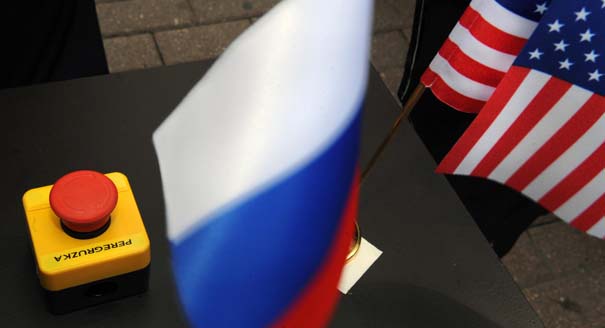
The ratification of the New START Treaty by the U.S. Senate speaks to the stability of the Russian-American “reset.” But the next challenge for Russia and the United States—missile defense—will be much more difficult.
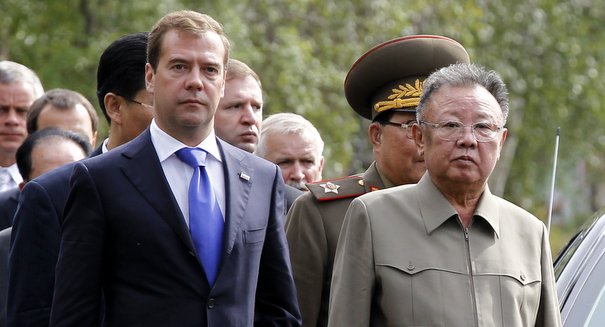
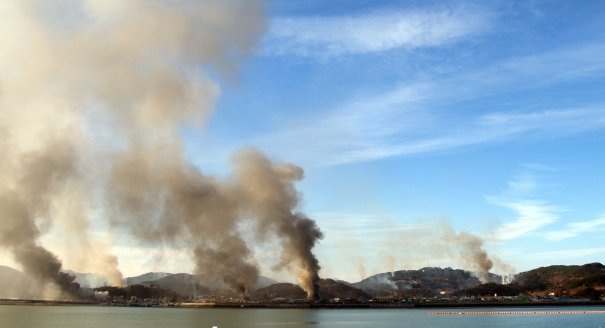
Moscow has condemned North Korea’s shelling of the island in the Yellow Sea and expressed concern over Pyongyang’s nuclear ambitions. When Russians look into the future, they see a reunified Korea under the leadership of the South, and this is reflected in their foreign policy.

A Euro-Atlantic security community would be built on a transformed strategic relationship between the United States, NATO, and Russia, and reconciliation between Moscow and Central and Eastern Europe.
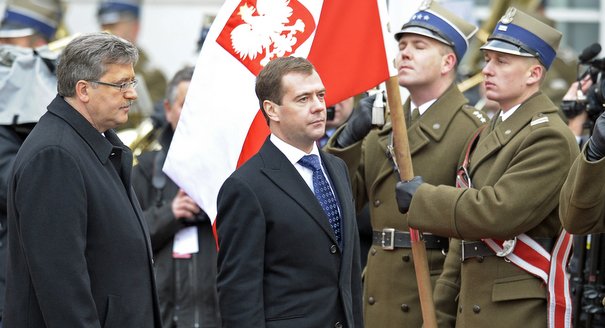
Since 2008, Russo-Polish relations have seen a positive transformation that has the potential to make this relationship one of the key pillars of stability and security in Europe.
While the ongoing handover of power from Kim Jong Il to Kim Jong Un in Pyongyang is a potentially dangerous process, it also provides new opportunities for the international community to nudge the North Korean regime in a more open and liberal direction.